
Inside the Eco Revolution: What Sustainable Materials Mean for Bag Designers
PAGE
By PAGE Editor
Sustainability is no longer a buzzword stitched onto marketing labels—it’s becoming the lens through which the next generation of bags is imagined. Designers are entering a new era where material choices carry just as much creative weight as silhouettes, color palettes, and seasonal storytelling. The eco revolution sweeping the fashion industry is not simply about swapping leather for “green alternatives”; it is fundamentally reshaping how bags are conceptualized, engineered, and brought to market.
As research labs and global suppliers push forward with plant-based leathers, recycled synthetics, and biodegradable fiber textiles, the design world is being compelled into deeper conversations about durability, transparency, and emotional value. And because these materials behave differently from traditional fabrics, even the relationship between designers and the modern custom bag manufacturer is evolving—becoming more collaborative, more experimental, and far more technical.
The shift is massive. But for designers, it’s also exhilarating.
1. Beyond Aesthetic Choices: Sustainability Is Now a Design Constraint
The most striking change is that sustainability has moved from “added value” to a design foundation. Instead of starting with a silhouette and searching for a suitable material, many designers now begin with ecological considerations:
What is the environmental impact of this material?
How does it age?
How does it respond to stitching, tension, pressure, and bending?
Can it hold its shape under long-term use?
Is it traceable and certifiable?
Plant-based leathers, such as those made from cactus, mushroom, and apple skins, are softer and more delicate than traditional leather. Recycled nylon and polyester have specific tensile limits and react differently under UV exposure or abrasion.
This forces designers to respect the nature of the material, rather than bending it to mimic the behavior of conventional leather. The result is not a limitation, but a transformation—bags designed with genuine material honesty.
2. Material Innovation Is Changing the Structure of Bags
The eco revolution is not only about swapping one textile for another; it’s redefining the skeleton of handbags.
Bio-based leathers create softer silhouettes.
These materials drape differently. Designers are exploring new pleats, oversized folds, and relaxed forms that prioritize softness over stiffness.
Recycled synthetics strengthen the technical look.
RPET and recycled nylon have become the backbone of urban, athleisure, and tech-inspired collections. Their lightweight, water-resistant nature aligns with the rising demand for mobility and practicality.
Natural fibers introduce earthy minimalism.
Organic cotton canvas, jute blends, bamboo textiles, and regenerated cellulose fibers bring a clean, grounded aesthetic that pairs perfectly with contemporary minimalism.
The eco movement is not defining a single style—it’s creating a whole palette of new identities.
3. Tracing the Origin: Transparency Becomes a Creative Language
Consumers no longer want just a beautiful bag; they want to understand how it was made.
This includes:
verified recycled content
chemical-free processing
ethical sourcing of plant fibers
lower-impact dyeing processes
lifecycle analyses
Designers are beginning to incorporate transparency into their storytelling: QR codes that reveal the material journey, stitching details that highlight the natural texture of eco-friendly fabrics, or tags printed with information about the carbon footprint.
Sustainability is no longer hidden behind the seams—it’s proudly part of the aesthetic.
4. Collaboration With Manufacturers Is Becoming Deep and Technical
Eco-materials behave differently from traditional textiles. Their stretch tolerance, moisture absorption, bonding compatibility, and structural rigidity vary wildly. That means designers cannot work in isolation.
A modern custom bag manufacturer becomes a development partner rather than a mere production facility. Their insights help answer critical questions:
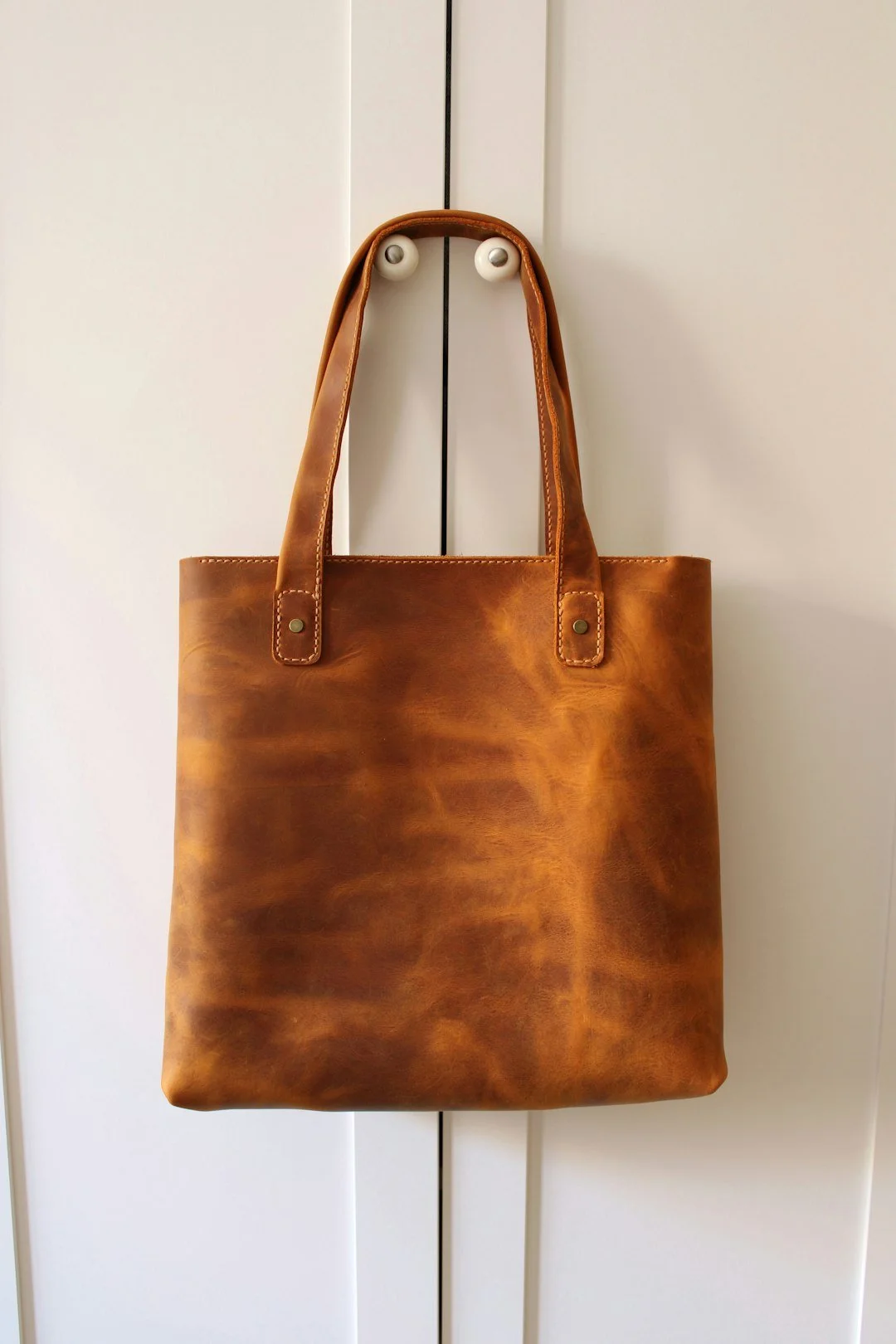
Can this mushroom leather withstand a structured tote silhouette?
Does this recycled nylon require reinforcement to prevent sagging?
What stitch density works best for plant-based leather?
Will interior linings made from natural fibers affect durability?
This new dynamic encourages co-creation—designers bring aesthetic vision, manufacturers bring engineering truth, and the final product reflects both worlds.
5. A New Generation of Custom Handbags Emerges
The eco shift is also reshaping personalization. As consumers seek bags that are both sustainable and emotionally meaningful, Custom Handbag projects are gaining popularity rapidly.
Sustainability adds new layers of creative possibility:
Limited-edition designs using seasonal leftover materials
Bespoke pieces made from upcycled textiles
Personalized trims built from recycled hardware
Modular components created for disassembly and repair
The custom movement aligns perfectly with the eco revolution because it encourages longer lifespan, emotional attachment, and reduced waste.
A bag becomes less of a fashion item and more of a personal statement.
6. Durability Is the New Luxury
Perhaps the most profound shift is the redefinition of luxury itself.
Where luxury once relied on rarity, opulence, or premium leather sourcing, it now increasingly depends on longevity and responsibility. The most desirable bags of the next decade will not be those made from exotic skins, but those that:
age beautifully
last for years
can be repaired
minimize environmental impact
carry a story rooted in care, craft, and intention
For the modern fashion consumer, sustainability isn’t a trend—it’s part of identity.
Conclusion: Eco Materials Are Reshaping Not Just Bags, But the Future of Design
The sustainable-materials revolution is far more than a substitution of fabrics. It represents a cultural awakening, a technological evolution, and a new creative philosophy for bag designers.
It has changed the relationship between materials and form.
It has deepened collaboration between designers and production experts.
It has opened fresh paths for personalization and emotional durability.
It has pushed the entire industry to rethink what luxury means in the modern world.
The future of handbag design won’t be defined only by color trends or seasonal silhouettes—but by ecological intelligence, transparent craftsmanship, and a generation of creators who understand that style and sustainability are no longer separate paths, but the same vision.
HOW DO YOU FEEL ABOUT FASHION?
COMMENT OR TAKE OUR PAGE READER SURVEY
Featured



The OTW by Vans x Parra Old Skool 36 marks a full-circle collaboration that fuses Parra’s surreal, minimalist artistry with Vans’ skate heritage, reimagining an iconic silhouette through thoughtful design, premium materials, and cultural authenticity.