
Insulation Matters: Protecting Your Breast Milk on the Go
PAGE
By PAGE Editor
When I first started pumping breast milk, I had no clue how much thought would go into storing it. I quickly learned that it’s not just about getting the milk in a bottle; keeping it fresh and safe requires some planning. That’s where insulation comes in. It might sound simple, but it turns out that a well-insulated container can make a huge difference. Over time, I discovered tricks and techniques that helped me keep my milk at the right temperature, whether I was at home, at work, or running errands. I want to share what I’ve learned about the role of insulation in keeping breast milk fresh, because it really does make life a little easier for parents like me.
Understanding Breast Milk Preservation
Breast milk is amazing, but it’s delicate. It’s packed with nutrients, antibodies, and fats that can break down if it’s not stored properly. I remember one afternoon when I left a bottle sitting out a little too long, and my stomach sank thinking, “Is this still okay?” That moment pushed me to really understand the factors that affect milk freshness.
Temperature is the biggest culprit. Milk left at room temperature can spoil quickly, especially if it’s warm out. Bacteria can grow, and even small swings in temperature can change the taste or reduce some of the nutrients. That’s why choosing the best cooler for breast milk made such a difference for me — it’s not just convenient; it’s essential.
How Insulation Works
Insulation works by slowing down the transfer of heat between the outside world and the milk inside. Think of it like a little protective bubble that keeps the cold in and the heat out. The better the insulation, the longer the milk stays safe.
Temperature control is critical. Breast milk can stay in the fridge for up to four days, but outside of that, it’s a gamble. Insulated containers help when you’re moving milk from one place to another or keeping it temporarily at room temperature. They give that extra buffer to prevent spoilage.
Materials differ, too. Some containers have thick foam, others are vacuum-sealed, and some use reflective layers to hold temperature. I noticed over time that milk in a high-quality insulated bottle stayed colder longer than milk stored in a regular bag, and honestly, it made my life so much less stressful.
Types of Insulated Storage for Breast Milk
There are a few options I’ve found really useful.
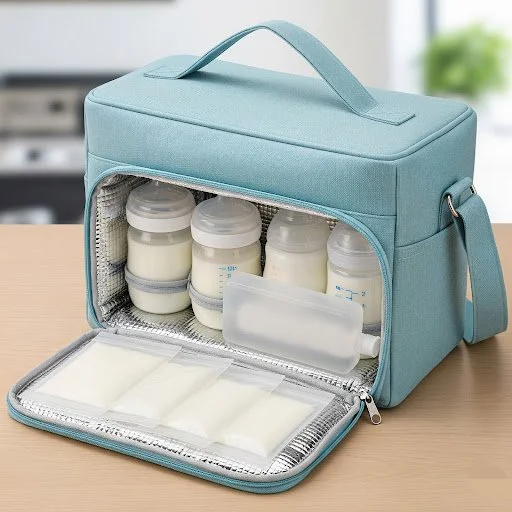
Insulated cooler bags: These are my go-to for transporting milk. Lightweight, portable, and usually with a spot for ice packs. I can pack a few bottles, tuck in some ice packs, and know my milk won’t warm up too fast.
Thermal bottles and containers: These are great for short-term use. Some keep milk cold for hours, which is perfect when you need a bottle ready for feeding within a few hours but don’t have access to a fridge.
Built-in insulation in breast pump bags: Many modern pump bags have insulation built right in. This is a game-changer because I don’t need an extra cooler. I can pump straight into bottles, drop them in the bag, and head out with zero stress about spoilage.
Benefits of Proper Insulation
Insulated storage has been a lifesaver for me. It keeps milk at a safe temperature for hours, even when I’m juggling errands or work commitments.
It also reduces the risk of bacteria — something every parent worries about. I feel confident that what I’m giving my baby is safe, which is a huge relief. On top of that, proper storage helps preserve the taste and nutritional value. There’s nothing worse than watching milk go to waste, so knowing insulation helps prevent that feels like a small win every time.
Best Practices for Using Insulated Storage
Over the months, I picked up a few habits that make insulated storage much more effective.
Pre-chilling the storage container: I keep my cooler bag in the fridge before use. A cold bag keeps milk cold much longer — it’s a simple trick that actually works.
Using ice packs effectively: I place ice packs both below and around the bottles so that the cold air circulates evenly. It makes a noticeable difference.
Monitoring storage duration: Even with insulation, I track how long milk has been stored. Labeling bottles with the date and time keeps things organized and ensures I never accidentally feed milk that’s past its prime.
Common Mistakes to Avoid
I’ve made my fair share of missteps, and here’s what I learned:
Overpacking without airflow: Cramming too many bottles into a bag isn’t helpful. Spacing them out keeps the temperature more even.
Delaying storage after pumping: Milk should go straight into an insulated container or fridge. Leaving it out too long is a fast track to spoilage.
Using damaged or worn insulation: If your cooler or ice packs aren’t in good shape, they won’t do much. I replace mine regularly to keep everything effective.
Supporting Travel and On-the-Go Pumping
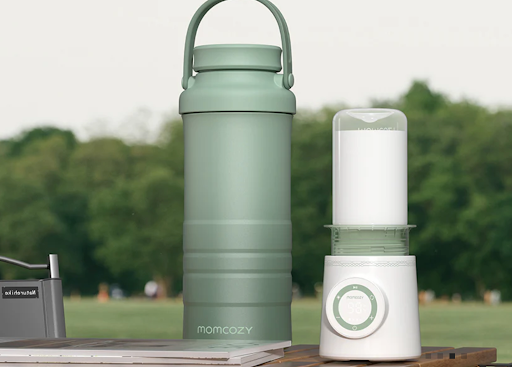
Travel used to stress me out. But with insulated solutions, it’s manageable. Compact cooler bags and thermal containers make it possible to bring milk anywhere without worry. With the Momcozy Portable Breast Milk Cooler for Outdoor - 22oz, I can easily take milk with me wherever I go. Breeze through security and bring your breast milk on board with ease. The bottles are replaceable, and additional nipples are available for feeding, which makes it even more convenient for on-the-go use.
Whenever possible, I combine insulation with refrigeration. On trips, I pack milk in an insulated bag with ice packs and put it in the fridge as soon as I can. Travel guidelines and TSA considerations matter, too — it’s worth checking them so your milk stays safe and you don’t run into surprises at the airport.
Conclusion
Insulation has become a cornerstone of my pumping routine. It keeps my milk fresh, preserves nutrients, and gives me peace of mind whether I’m home, at work, or traveling. A little planning — picking the right container, using ice packs, and monitoring storage — goes a long way. For any parent pumping breast milk, investing in good insulation isn’t just convenient; it’s a smart way to protect your baby’s nutrition and make daily life a bit easier.
HOW DO YOU FEEL ABOUT FASHION?
COMMENT OR TAKE OUR PAGE READER SURVEY
Featured




At LVMH Watch Week in Milan, Hublot sets the tone for 2026 by unveiling a bold lineup that fuses technical mastery, innovative materials, and high-profile collaborations—from the Novak Djokovic GOAT Tourbillon and 20th-anniversary Big Bang Original Unico to Samuel Ross designs, new chromatic explorations, and football-inspired limited editions.