
Into the world of cryptocurrencies: What are the most popular types of digital coins?
PAGE
By PAGE Editor
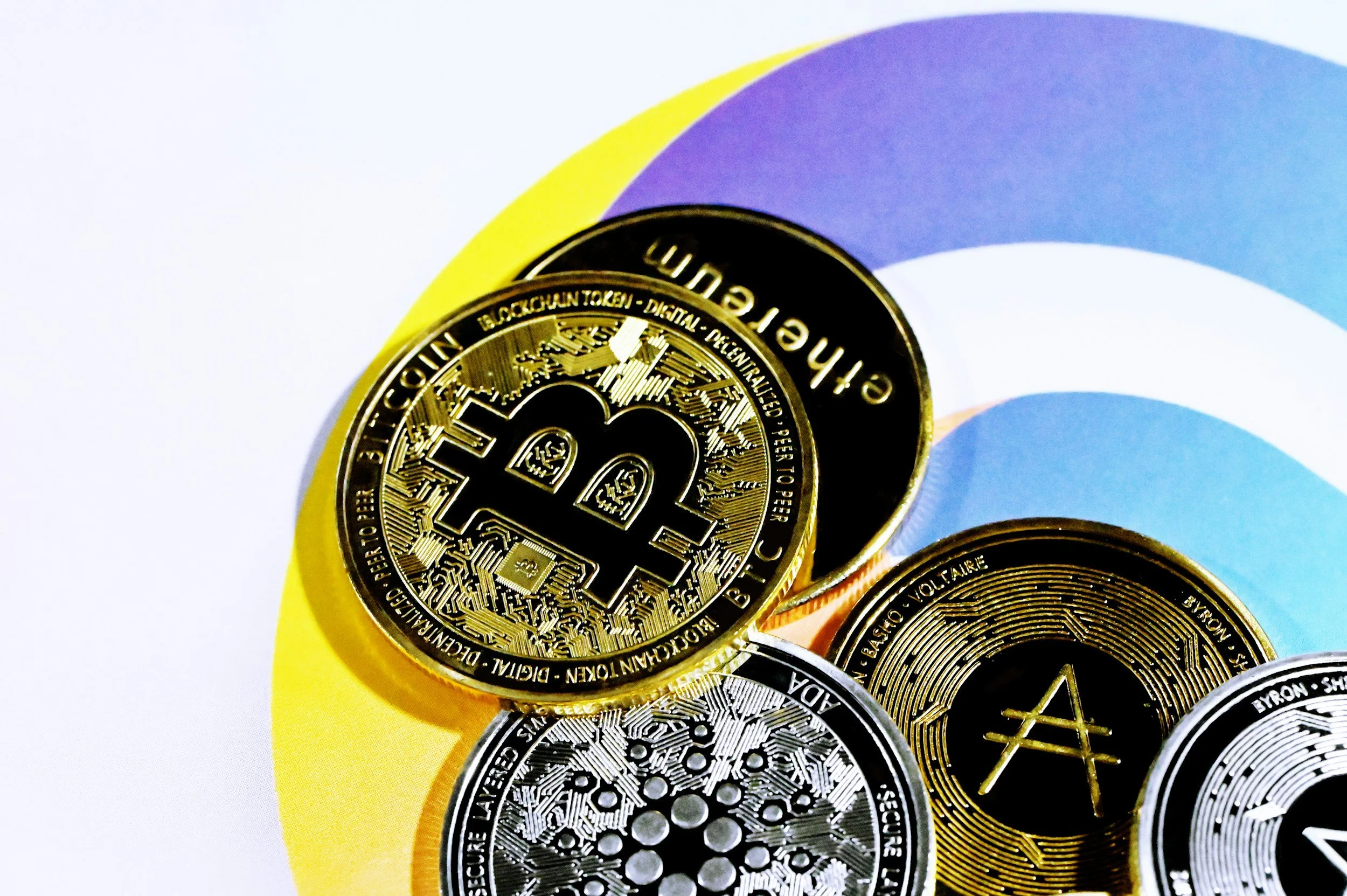
Cryptocurrencies are an interesting phenomenon that has increased in popularity over the years. For example, at first, there was only Bitcoin, which attracted the attention of a few crypto enthusiasts. However, the rest of the people were fearful of investing in digital coins because they were quite a novelty at that moment.
Over the years, people have become more aware of digital coins, and now we have plenty of digital currencies to choose from. With so many crypto alternatives, it becomes challenging to pinpoint the best cryptocurrency, as each serves different purposes and roles. This is why there are many types of digital coins, so that all people can invest in one that suits their preferences the most.
Cryptocurrencies fall into certain categories, which help us distinguish them a little. Here are some common types of digital coins: payment cryptocurrency, utility tokens, stablecoins, and Central Bank Digital Currencies (CBDC).
In this article, we will explore these categories in more detail, so keep on reading.
Payment cryptocurrencies
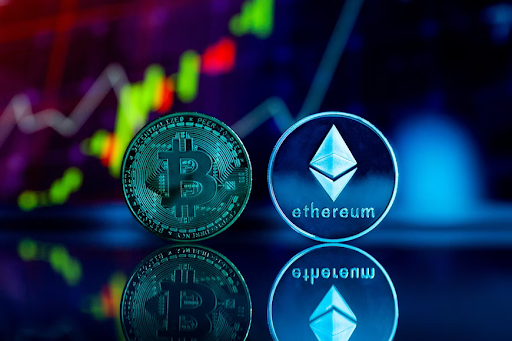
Among all the categories of digital coins, payment cryptocurrencies are arguably the most popular. Bitcoin, the crypto pioneer, falls into this category, which truly showcases the massive potential of payment cryptocurrencies. You probably have guessed from the name what a payment cryptocurrency means: a digital coin to pay for online transactions. Compared with fiat currency transactions, cryptocurrencies are decentralized assets, and they function without any control from the government or other authorities.
Payment currencies function with the help of a blockchain, which validates and records all transactions. Cryptocurrencies have the great merit of offering faster, cheaper, and more secure transactions. They are also global, which means that people worldwide can transfer digital coins.
Each cryptocurrency that falls into the category of payment cryptocurrencies has its own special features. For instance, Bitcoin has a limited supply of 21 million coins, which means that new issues will no longer be issued once BTC reaches its limit. This adds scarcity and can increase the demand for these digital coins. Other good examples of payment cryptocurrencies besides Bitcoin are Dogecoin, Monero, and Litecoin.
Utility tokens
Utility tokens are also popular in the crypto realm, representing digital assets created on a specific blockchain that offer users access to certain services, products, and features. Ethereum is the first blockchain to integrate the concept of a digital asset that offers access to a wide range of services.
Vitalik Buterin, the creator of Ethereum, identified the shortcomings of Bitcoin and proposed improvements to enhance the blockchain. However, his proposals weren’t accepted, which made him want to launch his own platform. The result was Ethereum, which is a fantastic crypto project that has truly revolutionized the notion of blockchain, as it led to the creation of smart contracts and other innovations like decentralized apps (dApps)
Ether is the native token of Ethereum, and it is a good example of a utility token. One main difference between it and payment cryptocurrencies is that they don’t have a capped supply and have an inflationary model. However, Ether has exceeded its use cases, and now it is also used for payment worldwide.
Yet, at first, the idea behind Ether was to facilitate the development of dApps and cover transaction fees on the blockchain. You can also find these tokens under the name of infrastructure tokens. Storj is also an example of a utility token, which grants access to users on the network and lets them take advantage of certain perks. Storj is an alternative to Dropbox and Google Drive, and users get the chance to pay for its service with the native token of the platform.
Stablecoins
Cryptocurrencies have a significant disadvantage: high volatility, which causes constant price fluctuations, with prices rising and falling frequently. So, they are not really suitable for people with a low risk tolerance. This is why stablecoins have been created: to offer people a little more stability. Stablecoins have their value pegged to a physical currency, such as the Euro or the U.S. Dollar.
Tether (USDT) is among the most popular stablecoins, whose value is pegged to the U.S. dollar. Tether represents a combination of cryptocurrencies and fiat money, in that it mixes the efficiency of cryptocurrencies with the price stability of fiat currencies.
Central Bank Digital Currencies (CBDC)
Central Bank Digital Currencies have also increased in popularity and are used by numerous central banks worldwide. However, they have one main and important difference from the rest. As central authorities create them, they don’t enjoy decentralization. Because of this, central banks are in total control of these assets. CBDCs are a still novel concept, and they are slowly making their way into the world, with countries seeking to balance whether they have more advantages or disadvantages.
CBDCs are built on blockchain technology, and because of this, they can still enjoy lower transaction fees and efficient payments, even though governments and central banks control them.
Conclusion
Cryptocurrencies have come a long way since they were developed, and now you can surely find a particular digital coin that can help you with any need or problem you might encounter. As blockchain technology continues to rise, with companies worldwide adopting it, we can expect an increase in the creation of digital coins serving various purposes in the future.
Today, we live in a digitized world where we perform many tasks online. In most cases, fiat currencies are subject to certain problems, such as inflation, which prompts people to seek alternatives for protection.
This is one reason why cryptocurrencies were created: to offer an alternative to fiat money. However, keep in mind that digital coins also present a long list of disadvantages, so people need to consider this to protect themselves better against these risks. Additionally, when investing in cryptocurrencies, it is advisable to only put in the amount you are comfortable losing to reduce the chances of disappointment.
HOW DO YOU FEEL ABOUT FASHION?
COMMENT OR TAKE OUR PAGE READER SURVEY
Featured





When investing in quartz countertops, choosing the right warranty and care package is just as important as selecting the color and finish.