
Landscaping for Privacy: Natural Solutions for Comfortable Outdoor Living
PAGE
By PAGE Editor
Creating a peaceful, private outdoor space is about more than just appearance—it's about how you feel when you step outside. Whether it's a small backyard retreat or an expansive garden, the right landscape design can protect your space from outside noise, curious neighbors, and harsh sun exposure. And it can do all this while enhancing the beauty and usability of your property.
For homeowners who value tranquility, intentional landscaping is one of the most effective ways to reclaim control over their outdoor experience. Instead of resorting to fences or screens alone, a well-thought-out planting and design plan can create natural boundaries that feel soft, lush, and inviting.
This article explores smart landscaping strategies that prioritize privacy without sacrificing aesthetics—helping you turn your yard into a personal sanctuary.
Why Privacy Matters in Outdoor Design
Blending Comfort With Function
Outdoor privacy isn't just about seclusion—it's about comfort. Whether you're hosting friends, enjoying dinner outside, or relaxing with a book, being in view of others can feel intrusive. Smart landscaping helps define outdoor “rooms” where you feel as at ease as you do indoors.
These defined areas don’t require walls. With the right trees, shrubs, hedges, and placement, you can block sightlines and create pockets of space that feel both natural and protected. Partnering with professionals like Cherry Hill Outdoor Services can ensure your outdoor design balances both comfort and functionality.
Improving Noise and Light Control
Privacy landscaping can also buffer sound and filter light. Dense foliage can muffle street noise, barking dogs, or the hum of nearby traffic. Trees with full canopies can soften midday sun, making patios and decks more usable throughout the day.
When you design with privacy in mind, you're not only shielding your property—you’re improving the quality of life that happens there.
Evergreen Barriers: Living Walls That Last
Hedging With Purpose
Hedges are a timeless solution for homeowners seeking a consistent and structured boundary. Popular choices like boxwood, yew, and arborvitae offer year-round foliage, withstand shaping, and grow tightly enough to block visibility from the outside.
When planted in rows, hedges serve as natural walls that can divide spaces, define property lines, and reduce visual exposure. They also adapt well to both traditional and modern yard designs.
The key to successful hedging lies in spacing and maintenance. Planting them too closely can stunt growth, while poor trimming can leave gaps. Working with professional St. Charles County landscaping services ensure your hedges are installed and shaped with long-term privacy in mind.
Layered Green Screens
For a more organic look, layered planting creates depth and density. This approach combines tall trees, medium shrubs, and low-growing ground cover to build a living screen. It mimics how plants grow in nature and adds visual interest without creating harsh edges.
Layering allows you to maintain airflow while still controlling visibility. It’s also an opportunity to bring seasonal color and texture to your yard, making the space feel vibrant and dynamic year-round.
Trees That Work Double Duty
Tall, Narrow Choices for Tight Spaces
Not every yard has room for wide-spreading trees. In urban or suburban lots, columnar varieties—like Italian cypress, Sky Pencil holly, or Eastern red cedar—offer height without sacrificing square footage.
These trees grow vertically, making them ideal for lining walkways, driveways, or the back edge of patios. They provide a natural screen that reaches above fence lines, adding privacy from second-story windows or nearby balconies.
Shade and Screening in One
Broad-canopy trees like maple, oak, or linden provide both visual cover and functional shade. When strategically planted near patios or windows, they filter harsh sunlight while also blocking sightlines from surrounding homes.
The added benefit? Their large root systems help manage stormwater runoff and reduce heat absorption in the surrounding landscape—making your yard more sustainable over time.
Privacy Solutions for Small Yards
Vertical Gardening as a Barrier
For homeowners with limited outdoor space, vertical gardening offers an innovative approach to privacy. By using structures like trellises, lattices, or living walls, you can grow vines and climbers that double as natural dividers.
Plants like clematis, climbing roses, or star jasmine not only grow quickly but also provide fragrance and color throughout the year. Vertical plantings can define patio perimeters or shield outdoor dining spaces without enclosing the entire yard.
Container Grouping for Portable Coverage
Containers aren’t just decorative—they’re practical. Grouping potted plants in strategic zones around seating areas or walkways creates instant soft barriers. They can be rearranged seasonally, and they add height variation even in spaces where planting in-ground isn’t possible.
Mixing planters with tall grasses, bamboo, or dwarf trees allows for a high degree of customization. These movable privacy solutions are especially useful for renters or homeowners who anticipate future changes in layout.
Blending Hardscape With Softscape
Integrating Built Structures and Plantings
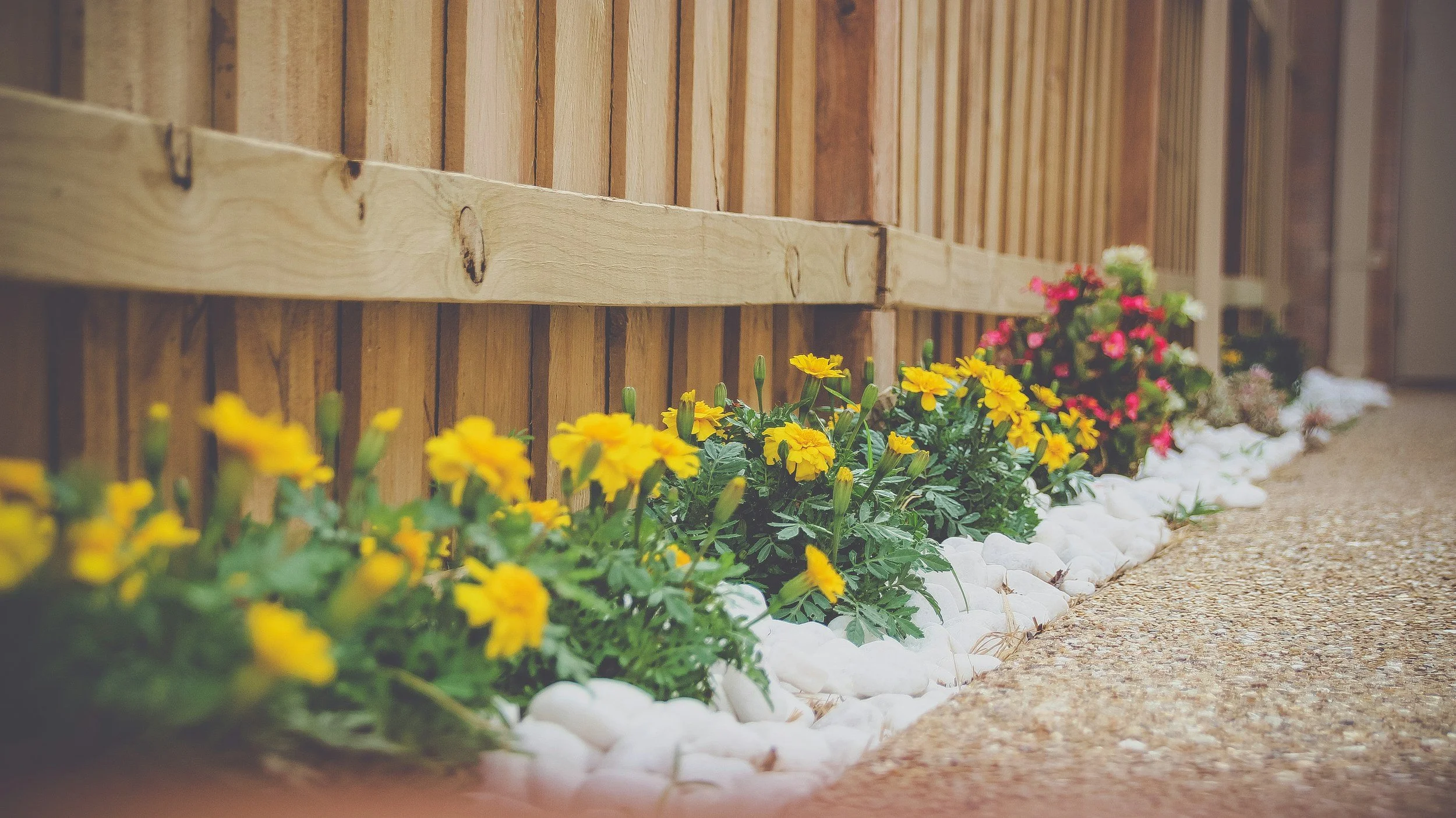
Privacy doesn't have to be all natural. Combining landscaping with hardscaping—such as pergolas, pavilions, or privacy panels—can create an effective and cohesive design. Plantings can be added around these features to soften their lines and blend them into the landscape.
For example, a wood slat screen next to a patio can be flanked by bamboo or ornamental grasses, creating a contemporary feel while obscuring sightlines. A pergola can be trained with climbing plants like wisteria or honeysuckle to create a shaded, semi-enclosed lounge area.
Precise Outdoors & Design works with both structural and organic materials to deliver privacy solutions that don’t just serve a function—they enhance the overall design.
Managing Transitions and Openings
Not every part of your yard needs to be closed off. In fact, creating zones with different levels of privacy adds a sense of rhythm to the landscape. Use dense plantings around lounge areas, but leave open sightlines in garden paths or near water features to maintain a sense of flow.
Careful transitions—such as stepping down from a tall hedge into a low flower bed—help the yard feel balanced, not boxed in. These design choices are subtle but impactful.
Final Thoughts: Privacy as a Design Element
When homeowners talk about upgrading their outdoor spaces, privacy is often mentioned last—but it should be considered first. A sense of privacy transforms how you use your yard. It turns it from a place you look at into a space you live in.
Thoughtful landscaping is the key to achieving this. It balances function and beauty, creating a setting where relaxation comes naturally. Whether your goal is to block a street view, create quiet corners, or shield a hot tub or fire pit, the right planting strategy makes all the difference.
With help from professionals like Precise Outdoors & Design, you can craft a landscape that gives you the solitude you need without sacrificing style. Because the best outdoor spaces don’t just look great—they feel like yours alone.
HOW DO YOU FEEL ABOUT FASHION?
COMMENT OR TAKE OUR PAGE READER SURVEY
Featured



When investing in quartz countertops, choosing the right warranty and care package is just as important as selecting the color and finish.