
Madrid History Tour: Explore the City's Past and Landmarks


PAGE
By PAGE Editor
Madrid for History Buffs: A Deep Dive into the City’s Past
As Madrid’s vibrant capital, it is frequently praised for its art, cuisine, and vibrant culture. However, this history is laid deep beneath its surface and stretches back across empires, revolutions, and centuries of change. For the history buffs, Madrid is bound to be an interesting time-traveling journey, and each district, as well as the landmarks, will narrate its bit of Spain’s story.
Going walking in Madrid? If you’re looking to leave with a clear understanding of the past of the place you’re walking, this guide will give you an immersive introduction to the Madrid history tour experience and to the sights, museums, and routes to make your walk a historical one.
Historic Neighborhoods to Explore
Through his districts, ancient saying authors learned the key to comprehending Madrid’s historical narrative, but architecture, circumstances, and prestige all converge in Madrid’s districts.
La Latina and the Austrias District
La Latina is one of the oldest areas in Madrid, with its characteristic narrow medieval streets and historic buildings. Landmarks of the Austrias District created during the Habsburg rule in the sixteenth and seventeenth centuries are Plaza de Paja and Calle Segovia. Visitors are transported onto these streets back to imperial Madrid.
Barrio de los Austrias
In fact, this district is known as a result of when the monarchy had its golden era. This includes Plaza Mayor, Almudena Cathedral and the Royal Palace, all of which are important historical sites. The structure implied in each one here is related to the legacy of the Habsburg dynasty.
Lavapiés
Lavapiés is a working-class and revolutionary history, rich in multicultural and Jewish history, once. It is still one of the most culturally dynamic areas of the city and ideal for those who wish to explore Madrid's social and political past.
Must-Visit Historical Sites in Madrid
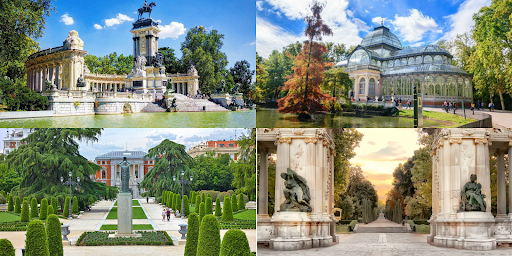
To fully appreciate Madrid’s evolution, certain sites are essential for any historically inclined traveler.
Royal Palace of Madrid
Spanish monarchs used the Royal Palace as their official residence, which was by the largest in Europe by floor area. They get the chance to visit the Throne Room, the Royal Armoury, and the Hall of Mirrors, learning of the political and cultural aspirations of Spain’s royal family.
Plaza Mayor
It served as a public place for marketplaces and as a stage for public executions and royal ceremonies of the 17th century. Fifty years later, the square remains one of Madrid’s most iconic public squares and is vital to the city’s development during the Habsburg era.
Templo de Debod
Templo de Debod is an ancient Egyptian temple in Madrid that was moved there in the 20th century. It is rare for Madrid to have such an archaeological connection with the outside world.
Almudena Cathedral
This neo-Gothic cathedral is located next to the Royal Palace and was completed in the late 20th century after more than 100 years of construction. It mirrors the diverse tensions that mark Spain’s relationship between religion, politics and modernity.
Best Museums for History Buffs
Centuries of artifacts and artworks are housed in Madrid’s museums, giving essential context of the city’s past.
Museo del Prado
The Museo del Prado is one of the most prestigious art museums in the world and yields works by Goya, Velázquez, and El Greco. The cultural and religious dimensions of Spanish history are not garbed in purely aesthetic value; these pieces are more.
Museo de Historia de Madrid
Their base is more specific to the city: Madrid as it developed from a small settlement into the nation’s capital. Of special value for all urban historians, its maps, models and city plans are invaluable.
Museo Reina Sofía
The Reina Sofía houses Picasso’s Guernica and depicts 20th-century Spain through art. And both exhibits are tied deeply to the Spanish Civil War and the Spanish Civil War’s influence on the country’s identity.
Ways to Explore Madrid’s History
How you explore Madrid will help you understand that city’s past. Here are several recommended formats:
Guided Walking Tours
There are many companies and independent historians that offer themed walking tours, mostly about:
The Habsburg Monarchy
The Spanish Civil War
The Spanish Inquisition
These tours are ideal for deep historical context and on-site storytelling.
Bus Tours
For those who prefer a broader overview, the Madrid bus tour is a convenient option. They typically include audio guides and flexible stops at key historical locations, including the Royal Palace, Plaza Mayor, and Prado Museum.
Self-Guided Routes
A self-guided approach allows for personalized pacing. Use digital maps or printable PDFs that highlight key landmarks in areas like the Austrias District, Puerta del Sol, and Retiro Park.
Sample Itinerary for a History Enthusiast
To help structure your visit, here’s a one-day itinerary focused on historical immersion:
Morning
Visit the Royal Palace (1.5–2 hours)
Walk to Plaza Mayor and enjoy local cafés
Explore Almudena Cathedral
Afternoon
Tour the Museo del Prado
Relax at Templo de Debod with historical interpretation signage
Evening
Join a Civil War walking tour
Dine in La Latina, ideally in a traditional tavern with historical interiors
Relevant keywords included: Madrid history tour, top attractions in Madrid
Practical Tips for Visiting History Sites in Madrid
Best seasons to visit: Spring (April–June) and Fall (September–October) for mild weather and fewer crowds
Museum access: Major museums like Prado and Reina Sofía offer free entry during specific evening hours
Footwear: Bring comfortable shoes, as most historical areas have uneven cobblestone streets
Audio guides: Use official museum apps or bring your own headphones for guided content
Certified guides: For deeper insights, look for tours led by academics or certified historians
Relevant keywords included: Madrid tour guide, things to do in Madrid
Conclusion
It’s not just the capital of Madrid; it’s the historical narrative on the move. The city calls the history lovers to its grandiose architecture and whispered stories of narrow alleyways. Whatever you choose to do, your time in Madrid will be insightful and deeply inspiring.
Experience the past where it was lived and start planning your Madrid history tour today.
HOW DO YOU FEEL ABOUT FASHION?
COMMENT OR TAKE OUR PAGE READER SURVEY
Featured





When investing in quartz countertops, choosing the right warranty and care package is just as important as selecting the color and finish.