
Portugal’s Footwear Power Play: APICCAPS Deepens Designer Ties for Fall/Winter 2026
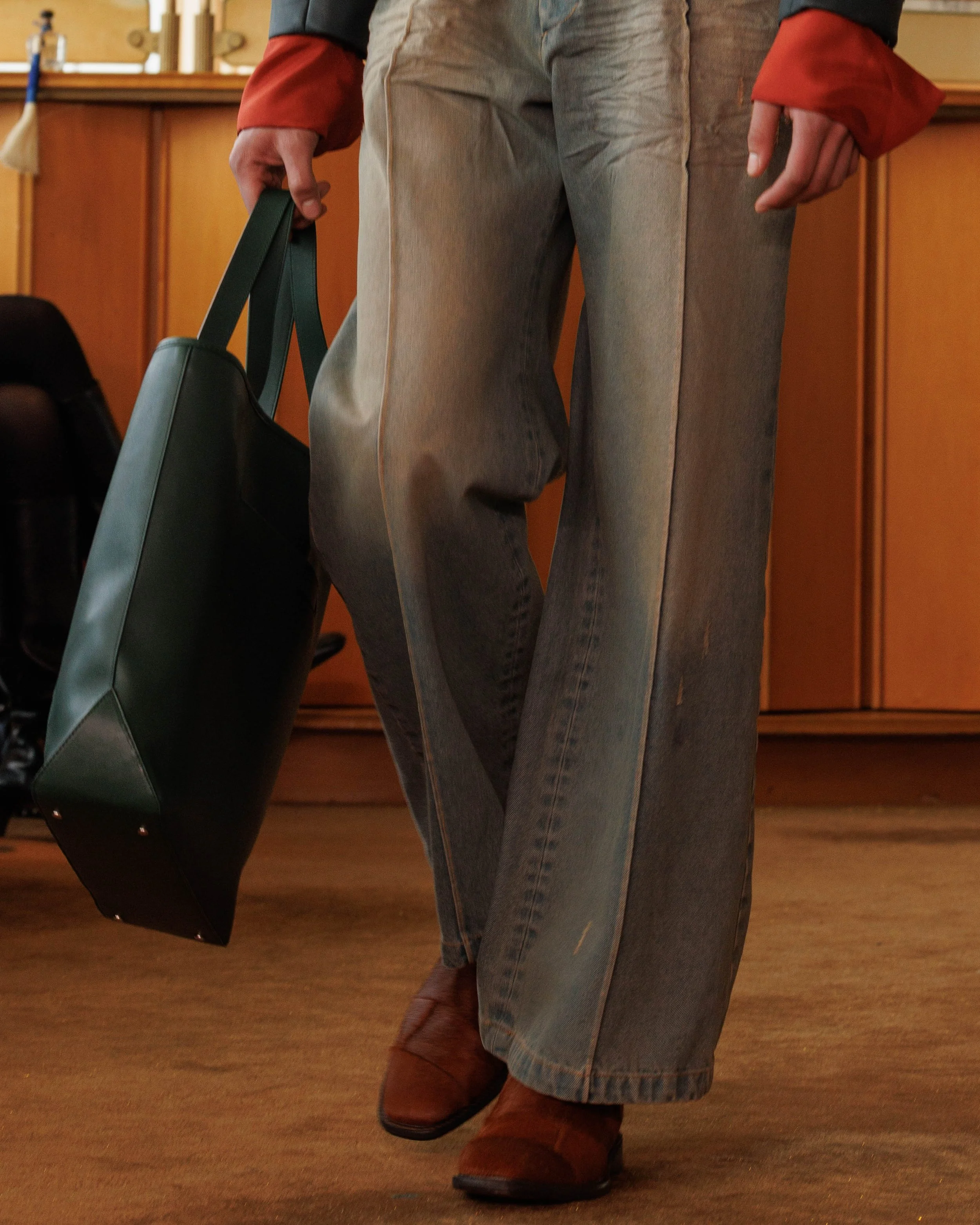
Campillo AW26
By PAGE Editor
In an industry where supply chain fragility has reshaped the conversation around luxury, the Portuguese Footwear Association (APICCAPS) is positioning itself not merely as a sponsor—but as a strategic creative partner.
For Fall/Winter 2026, APICCAPS returns to the global fashion calendar with a curated series of footwear collaborations spanning New York and Paris, aligning Portuguese manufacturers with designers including Willy Chavarria, Kallmeyer, CAMPILLO and Libertine. The initiative underscores a broader strategy: embedding Portuguese technical expertise directly into the design process, from runway prototype to commercial scalability.
From Sponsorship to Strategic Integration
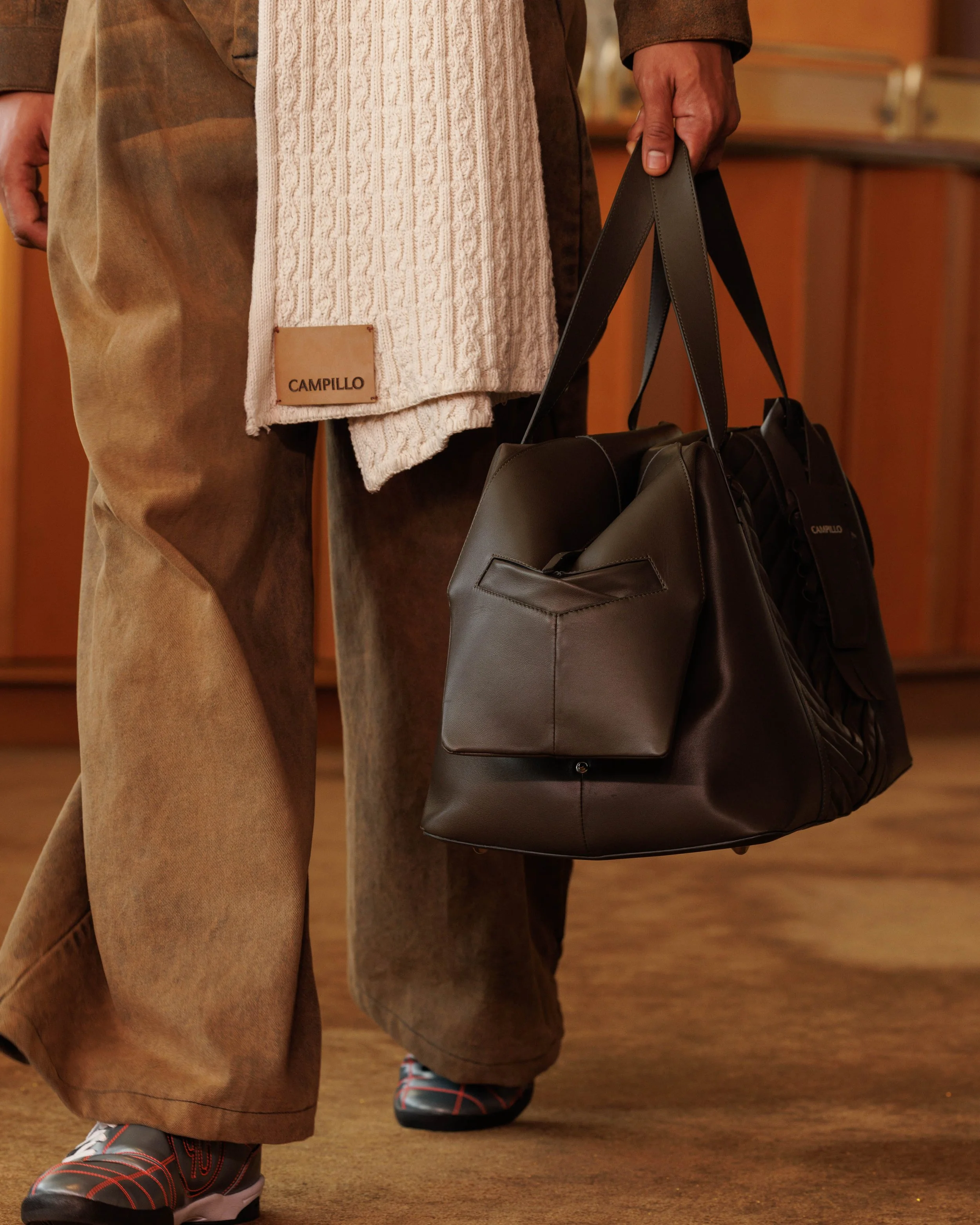
Campillo AW26
Portugal’s footwear sector exports more than 90% of its production globally, shipping approximately 70 million pairs annually. But APICCAPS’ latest slate of partnerships reflects a deeper ambition—transforming manufacturing into a visible extension of brand storytelling.
“The FW26 collaborations reflect our commitment to supporting designers with meaningful production expertise while highlighting the depth and versatility of Portuguese footwear craftsmanship,” says Paulo Gonçalves, Executive Director at APICCAPS.
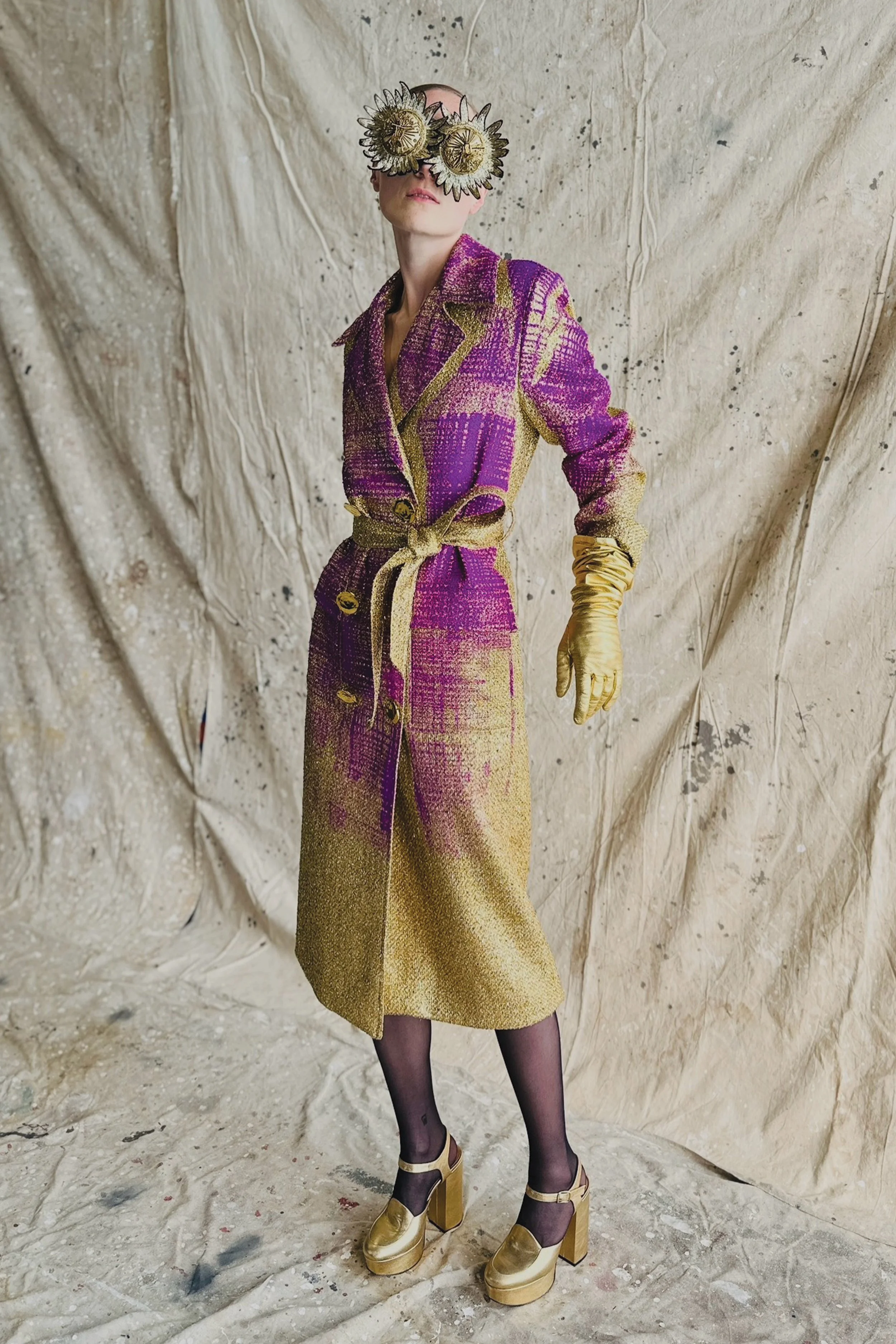
Libertine AW26
That commitment is reinforced through BioShoes4all, a materials innovation project driving advanced, sustainable development across participating collections. In a market increasingly defined by traceability and longevity, the emphasis on research-backed fabrication signals Portugal’s move from artisan heritage to innovation hub.
Willy Chavarria: Political Poetry Meets Portuguese Precision
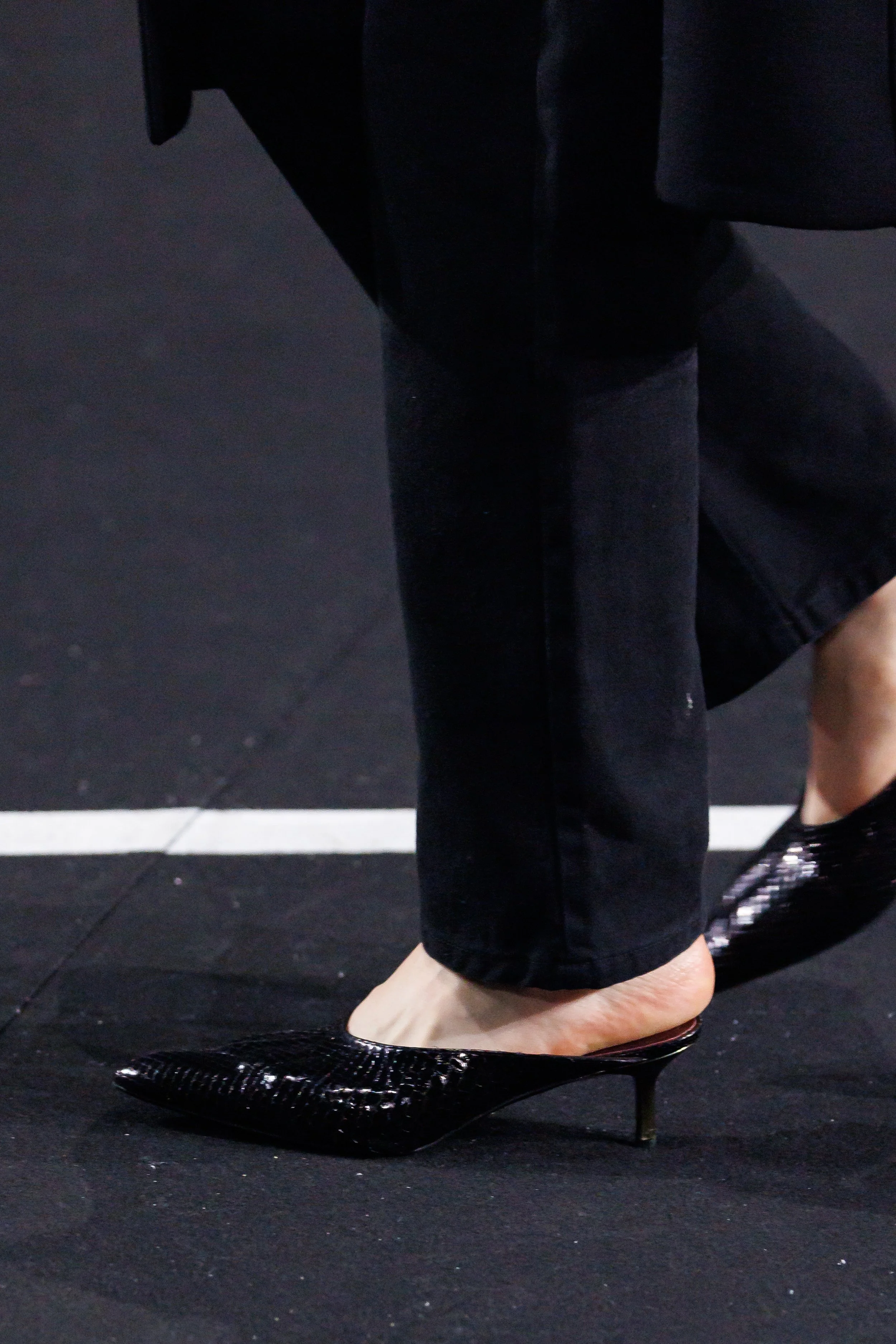
Willy Chavarria AW26
At Paris Fashion Week in January, Willy Chavarria unveiled his Autumn/Winter 2026 runway footwear developed in partnership with APICCAPS and two storied Portuguese houses: Luís Onofre (women’s) and Mariano Shoes (men’s).
Chavarria’s silhouettes—most notably the Salon Loafer and Antonio Boot, each punctuated with a Cuban heel—balanced cinematic drama with meticulous construction. The collaboration marked a seamless translation of Chavarria’s emotionally charged design language into product categories that demand technical fluency.
For a designer whose work often grapples with identity, power and heritage, Portuguese craftsmanship offered structural clarity without diluting narrative intensity.
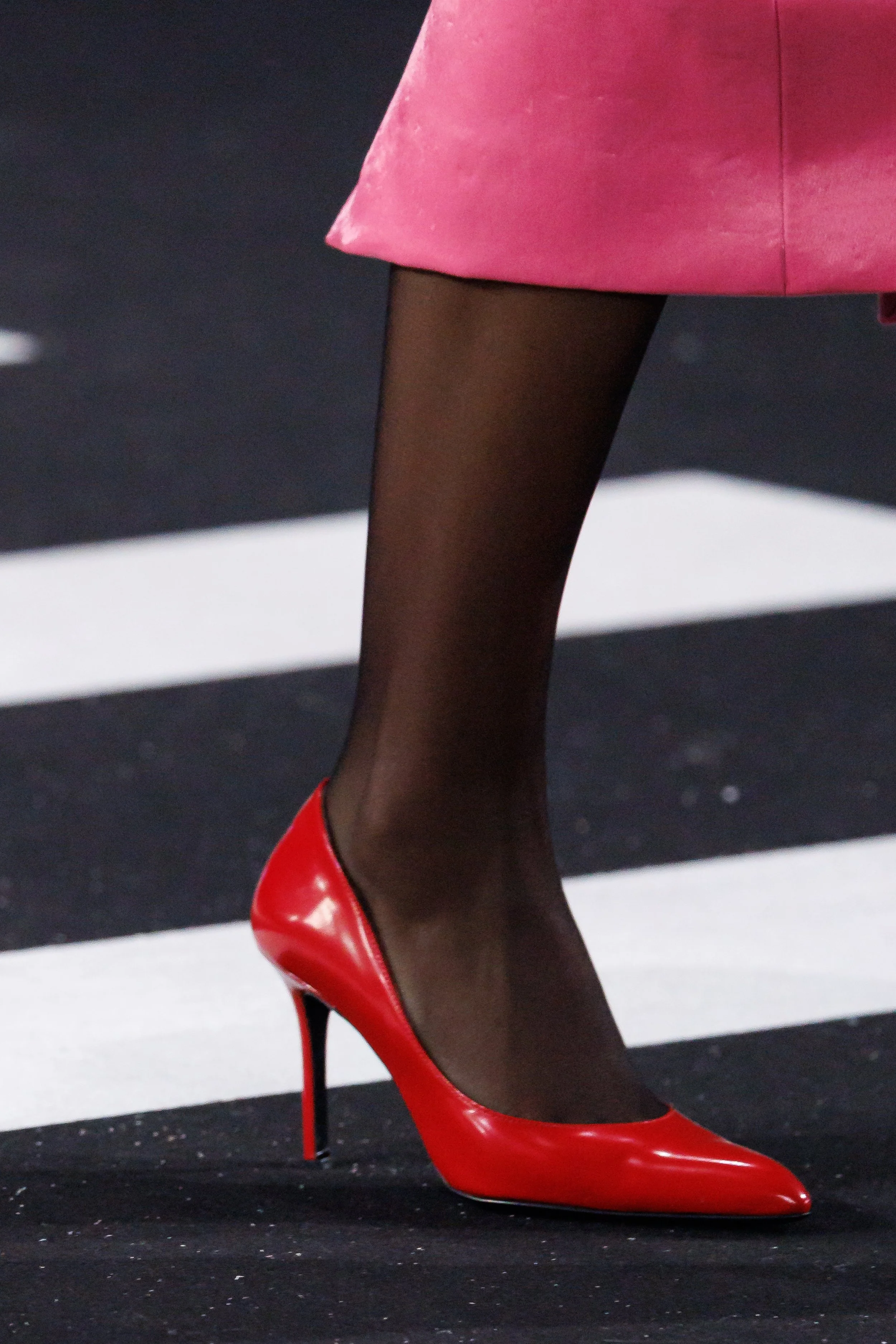
Willy Chavarria AW26
Libertine: Maximalism Anchored in Craft
In New York, Johnson Hartig’s Libertine extended its collaboration with Portuguese footwear brand Helena Mar into a second season. The capsule introduced block-heel and platform Mary Janes, a knee-high boot rendered in collection fabrics, and a bespoke suede envelope clutch finished in geometric patchwork.
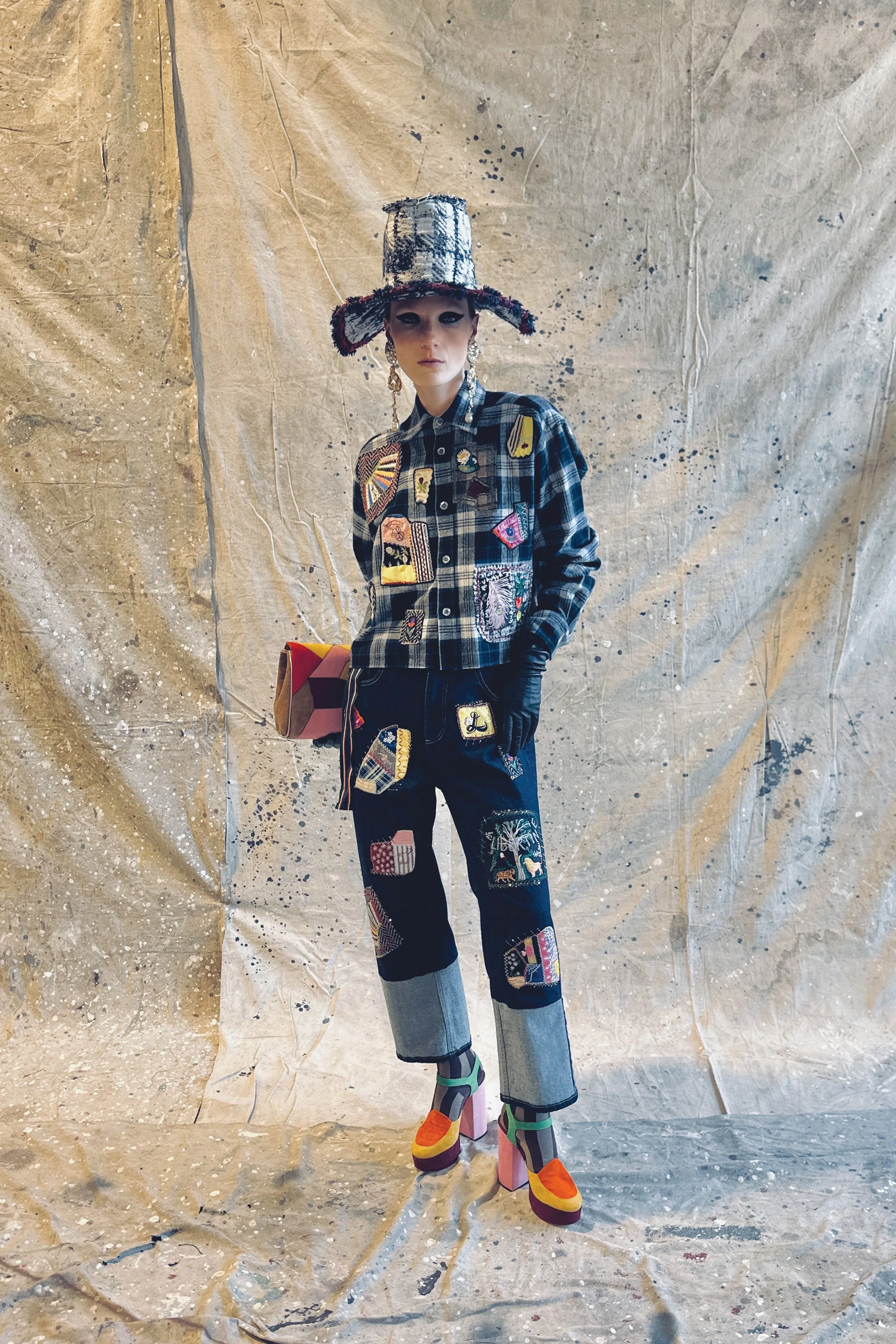
Libertine AW26
Libertine’s signature exuberance—bold color, subversive pattern, art-inflected irreverence—found grounding in Helena Mar’s commitment to quiet luxury and feminine precision. The result was a collection that felt both celebratory and controlled, an example of how artisanal execution can elevate expressive design without muting its personality.
Kallmeyer: Modular Modernism Meets Export Expertise
The partnership between Kallmeyer and JJ Heitor offered a study in refined minimalism. Known for its modular wardrobe approach and polished restraint, Kallmeyer paired naturally with JJ Heitor’s legacy of material rigor and export-focused discipline.

Kallmeyer AW26
Boots, loafers and heels emerged as sleek extensions of Kallmeyer’s architectural sensibility—unprecious yet elevated. In a retail landscape where wearability drives longevity, the collaboration underscored how technical know-how can sharpen a brand’s commercial viability without sacrificing aesthetic clarity.
CAMPILLO: Heritage in Dialogue
For Mexican designer Patricio Campillo, founder of CAMPILLO, the return to Portuguese manufacturing partner Mariano Shoes marked a second chapter. This season expanded beyond boots into belts and leather goods produced alongside Belcinto.

Campillo AW26
Campillo’s design ethos—rooted in Charro culture, Mexican modernist architecture and pre-Hispanic minimalism—intersected with Mariano’s 80-year artisanal legacy. The result was footwear and accessories that felt grounded in tradition yet forward-looking in execution, amplified by materials developed through the BioShoes4all initiative.
Portugal’s Quiet Ascendancy
Founded in Porto in 1975, APICCAPS has long championed Portuguese footwear on the global stage. But its FW26 strategy signals a new phase: moving from backstage supplier to visible creative collaborator.
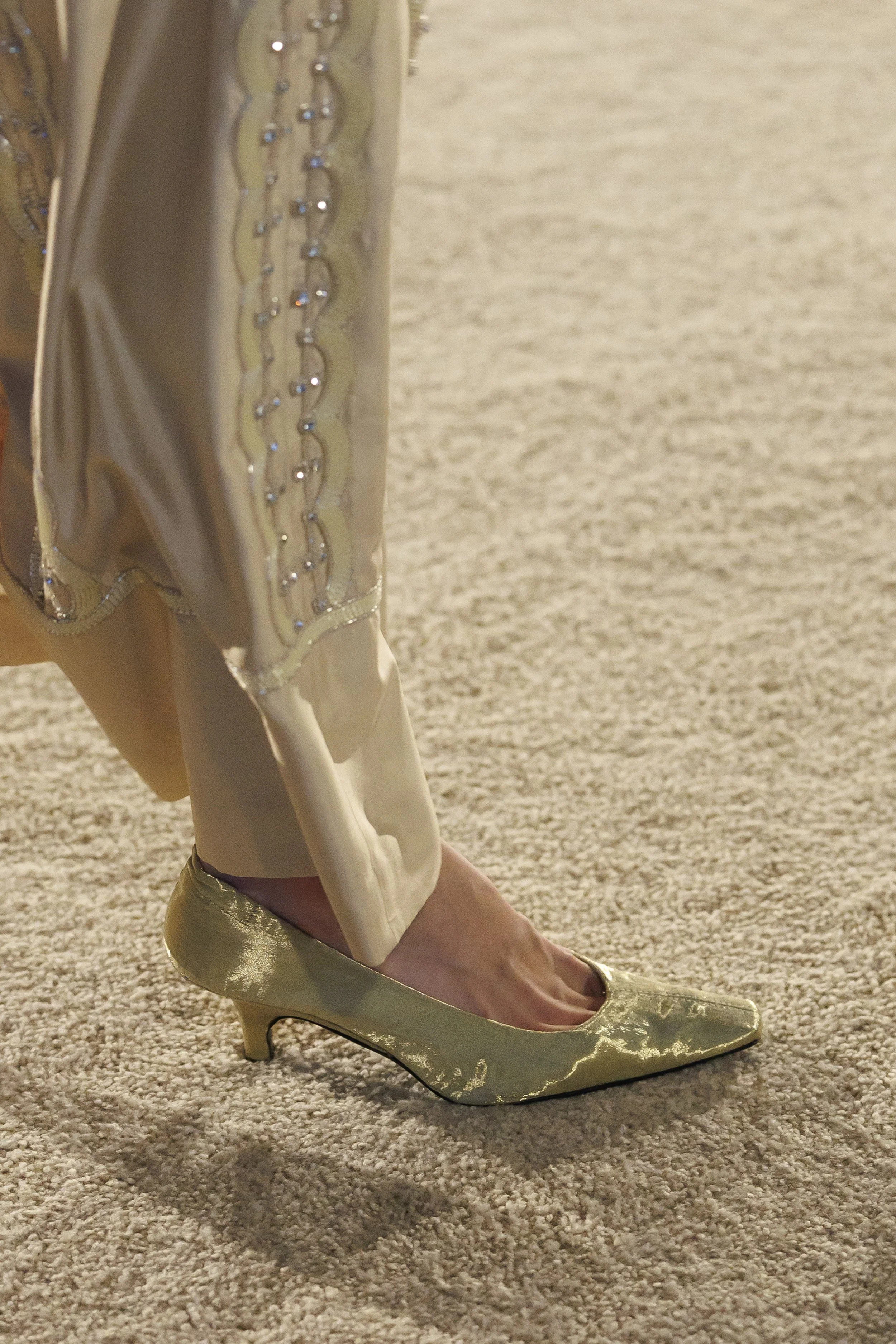
Kallmeyer AW26
By brokering bespoke partnerships that extend from runway debut through long-term production planning, APICCAPS is effectively redefining what “official footwear sponsor” means. It is less about logo placement and more about infrastructure—giving designers access to advanced material research, artisanal skill and scalable production capacity.
In a fashion system recalibrating around resilience, sustainability and authenticity, Portugal’s footwear sector is emerging as a case study in how legacy industries can evolve without abandoning craft.
From Paris to New York, Fall/Winter 2026 reveals a simple truth: the future of fashion may begin at ground level.
HOW DO YOU FEEL ABOUT FASHION?
COMMENT OR TAKE OUR PAGE READER SURVEY
Featured




Flower by Edie Parker’s 2026 “Boobs on Drugs” campaign starring Amanda Batula reframes cannabis culture through a lens of female autonomy, blending fashion-forward storytelling with meaningful advocacy for criminal justice reform.