
Willy Chavarria Turns Paris Into A Love Letter To Human Dignity
PAGE
By PAGE Editor
At the Dojo de Paris, Willy Chavarria didn’t just stage a runway show—he constructed a city, a confession, and a call to protect one another.
On Friday, June 23rd at 3 p.m. CEST, Willy Chavarria unveiled his Autumn/Winter 2026 collection as a cinematic trilogy of faith, work, and revelation. The show—part theatre, part concert, part film—blurred the lines between fashion presentation and cultural manifesto. In attendance and on the runway were figures who reflect Chavarria’s wide cultural reach: Usher and Davido in the front row; Julia Fox and Marcelo Vieira on the catwalk; and performances from Mon Laferte, Feid, and Santos Bravos, among others.
But the real star was the worldview.
A City As Set, A Philosophy As Script
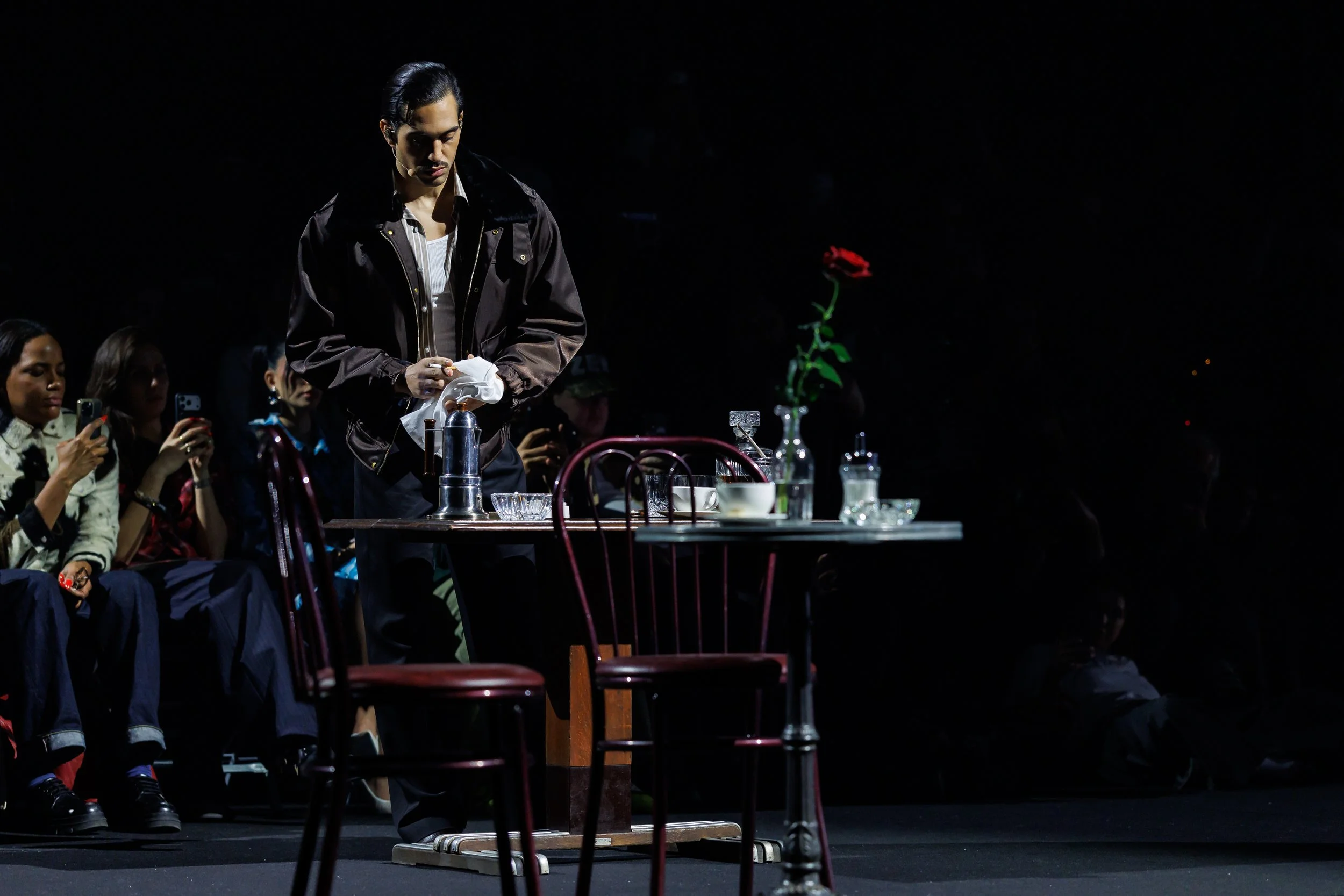
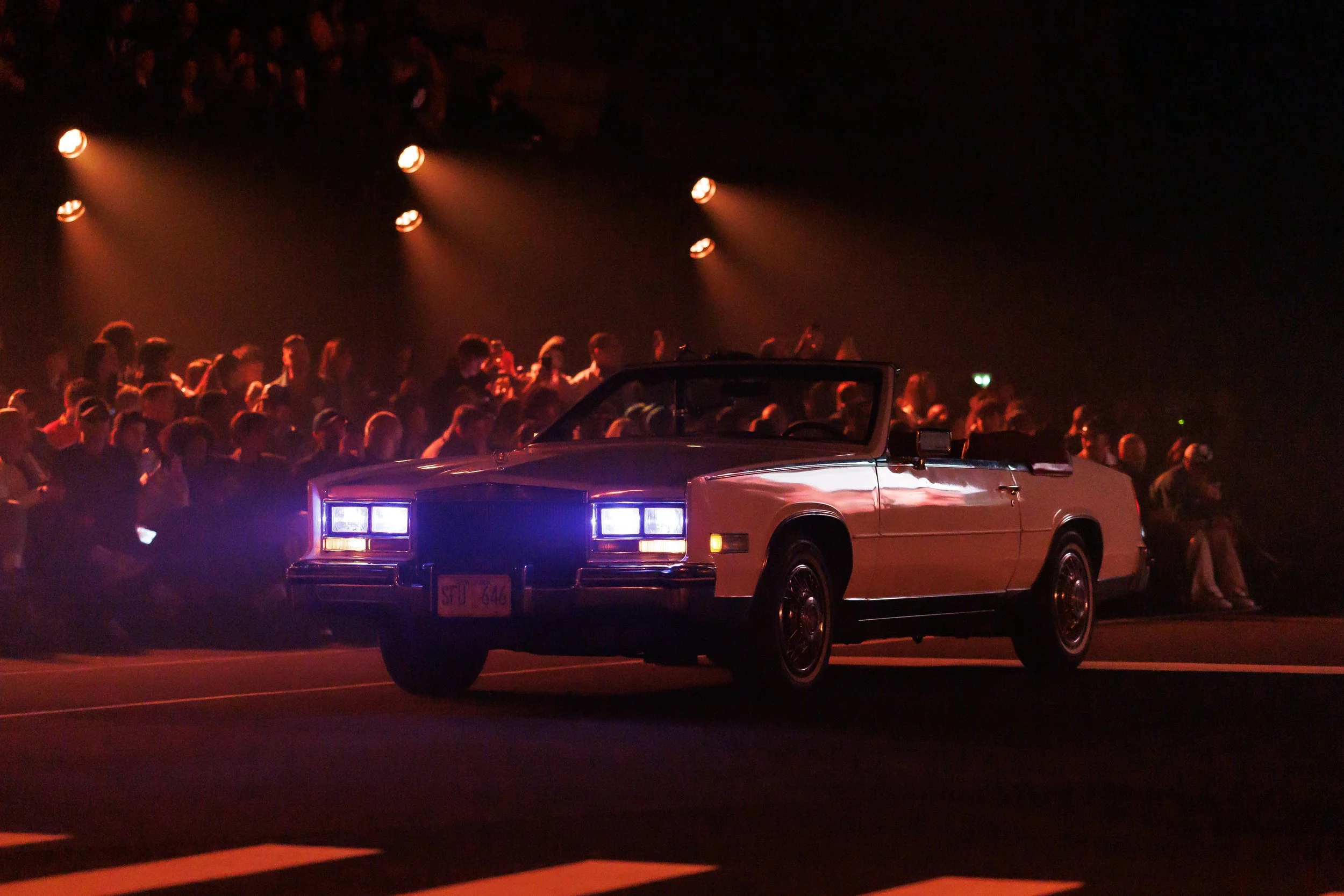
Guests entered a New York streetscape scented by Byredo—a nod to Chavarria’s corner apartment where, as he describes, life unfolds without separation between private and public. “I live in New York City, street level, corner apartment, big windows,” he shared. “There’s barely any separation between the city outside and the world inside my home… I watch people fall in love. I watch them fall apart.”

That tension—intimacy against urban chaos—formed the backbone of ETERNO, a show rooted in love, desire, and human connection. A collaboration with Grindr materialized as mesh underwear and a live-screen installation titled “The Avenue of Truth,” where digital flirtation became part of the runway narrative. For Chavarria, Grindr is not provocation; it is infrastructure for queer connection. “The show is rooted in love, desire, and human connection on every level,” he said, positioning the app as a catalyst for modern intimacy.
Act I: Faith In Form
The opening act centered on elevated daywear—precise tailoring, shearling outerwear, structured dresses—establishing Chavarria’s fluency in silhouette. Cropped suits with loose hips, slim waists, and broadened shoulders balanced authority with softness. A palette of dim mint, soft pink, and warm orange-red heightened emotional contrast.
Women’s tailoring moved between cinched waists and draped elongation; men’s suiting expanded democratically, offering flared, tapered, and cropped skinny leg shapes. Italian-made wool suiting and silk blends underscored the refinement, while denim and jersey—developed in the United States—anchored the collection in Chavarria’s American reality.
Act II: BIG WILLY And The Politics Of Access
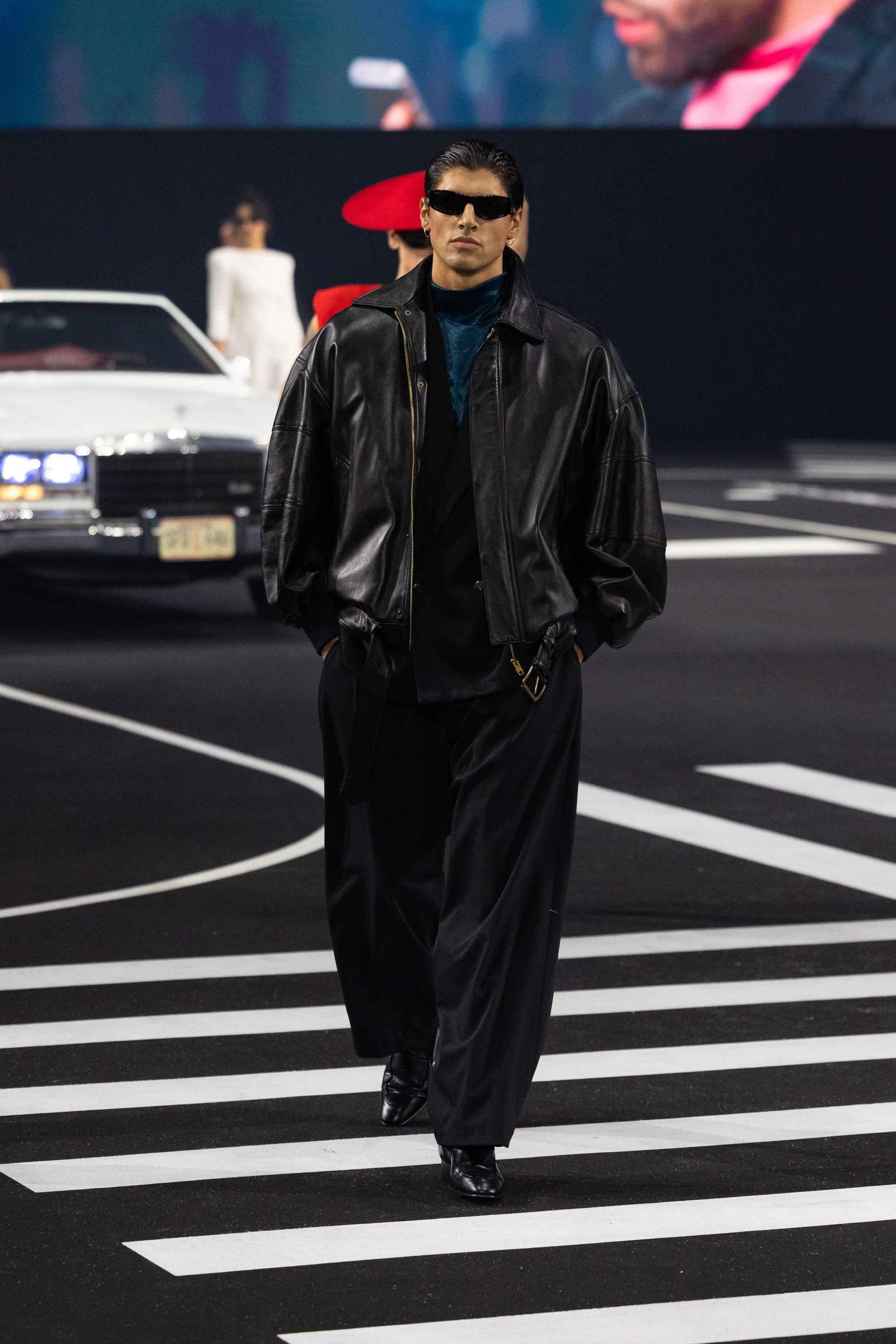
In an industry often defined by exclusivity, Chavarria introduced BIG WILLY, an evergreen workwear line designed for accessibility without dilution. Khaki chinos, black work shirts, bomber jackets, and Sutton coach jackets—boldly stamped with the new Big Willy logo—signal an entry point into the brand’s universe at an attainable price.
The strategy mirrors his broader ethos: uplift the underrepresented not only symbolically, but economically. Limited quantities dropped immediately online, reinforcing the brand’s runway-to-retail immediacy.
Act III: Revelation And Red Carpet
Formalwear remains Chavarria’s most cinematic expression. Relaxed tuxedos for men and shimmering cocktail dresses for women culminated in sculpted gowns engineered for slow, deliberate movement. The standout “sandwich gown”—a cloqué hourglass front paired with a trailing champagne silk back—captured that duality of armor and vulnerability.
Textural richness defined the emotional arc: distressed leathers, leopard-printed shearling, supple napa, and rose motifs across cloqué and Italian-pleated fabrics. Colors—violeta, oro, uniform brown, uniform blue, and Willy red—felt less seasonal trend than personal language.
Sport, Heritage And Cultural Memory
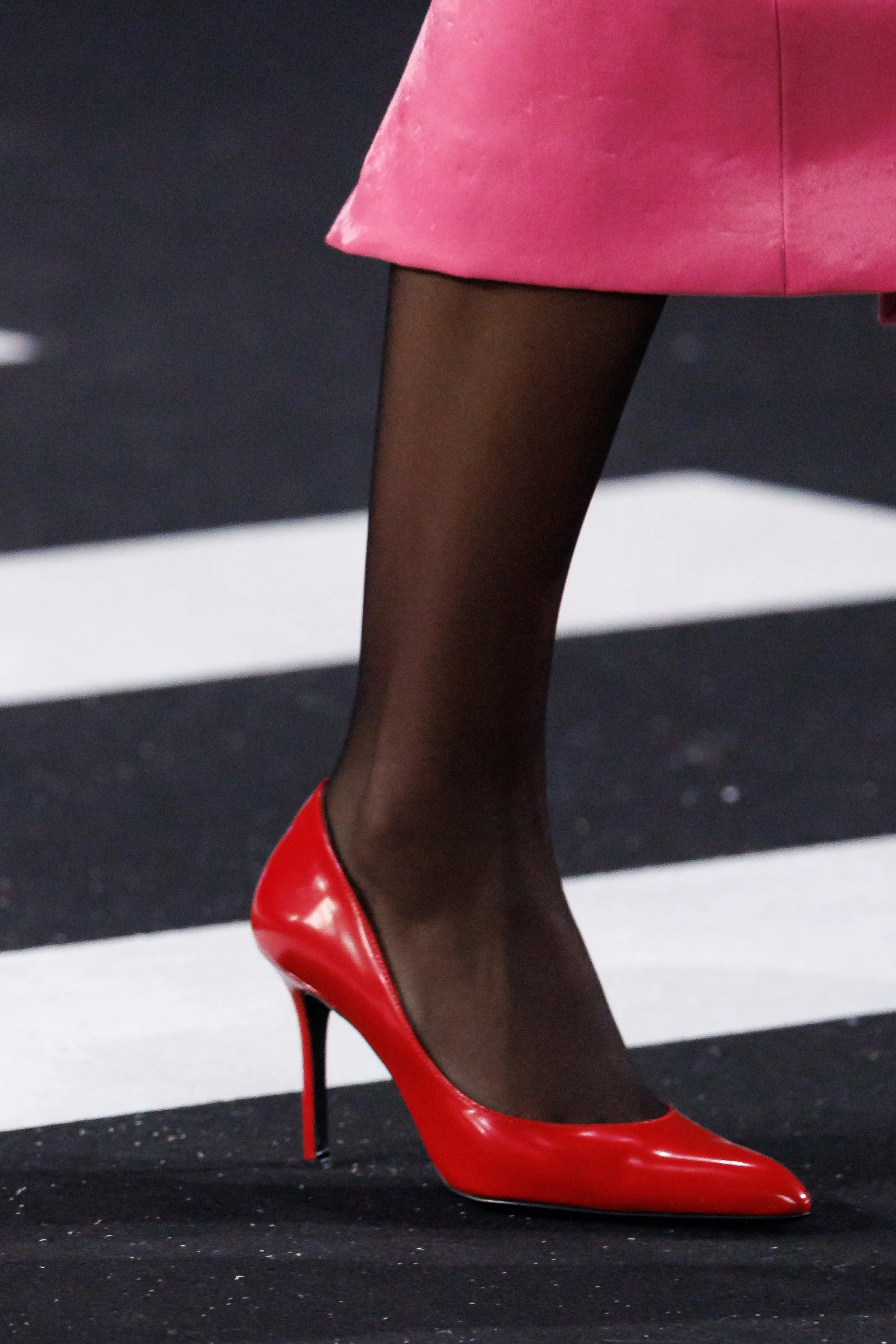
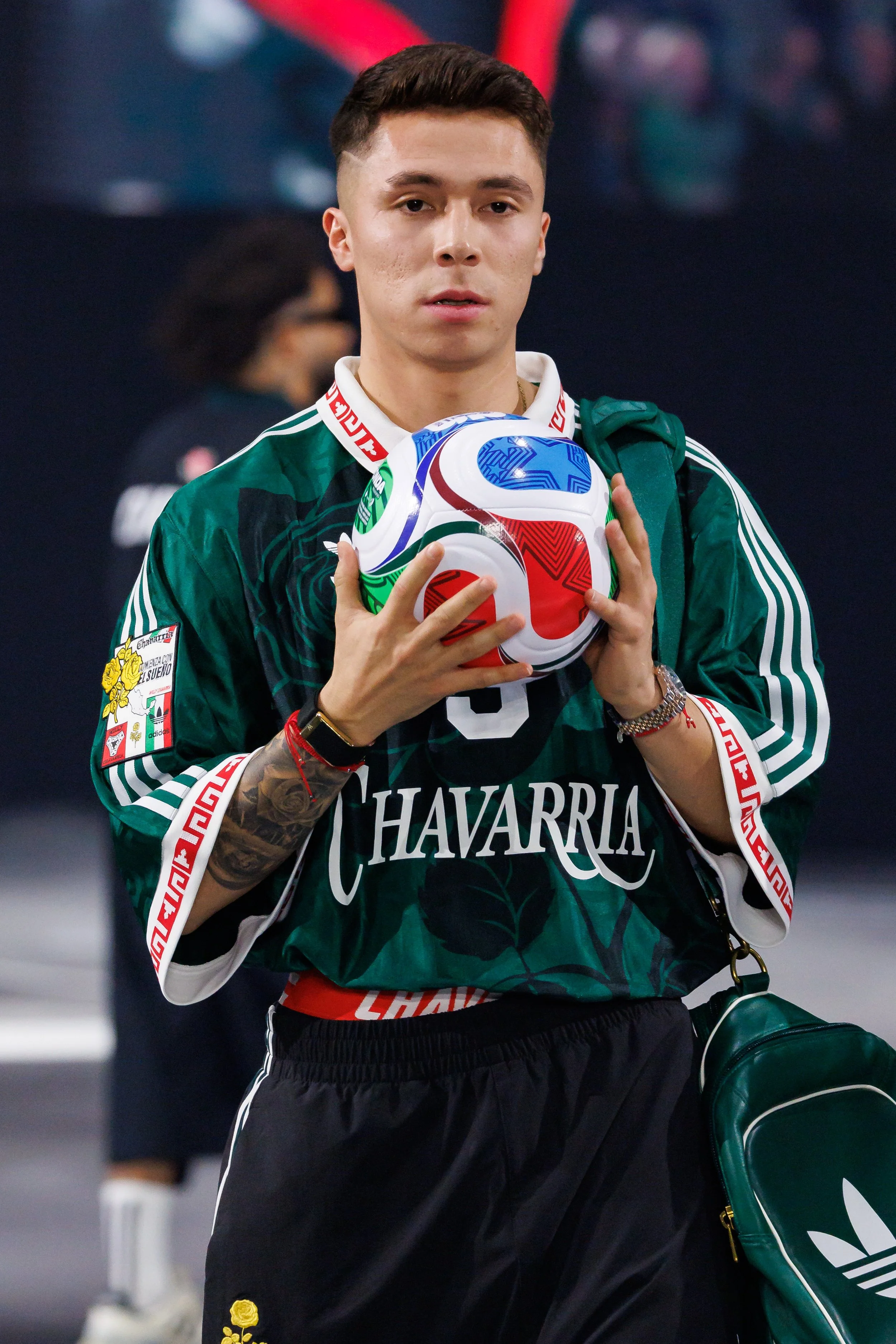
Chavarria’s fourth collaboration with adidas further bridged street and stadium. Officially accredited World Cup merchandise inspired by historic Mexican football uniforms nodded to his heritage. Footwear highlights included the Megaride Copa and Megaride Bones, alongside reinterpretations of The Predator cleat—melding performance lineage with runway gravitas.
Eyewear deepened the dialogue between archive and futurism. A partnership with Ray-Ban introduced classic icons and unreleased capsule styles with washed lenses—heritage reframed for a new generation.
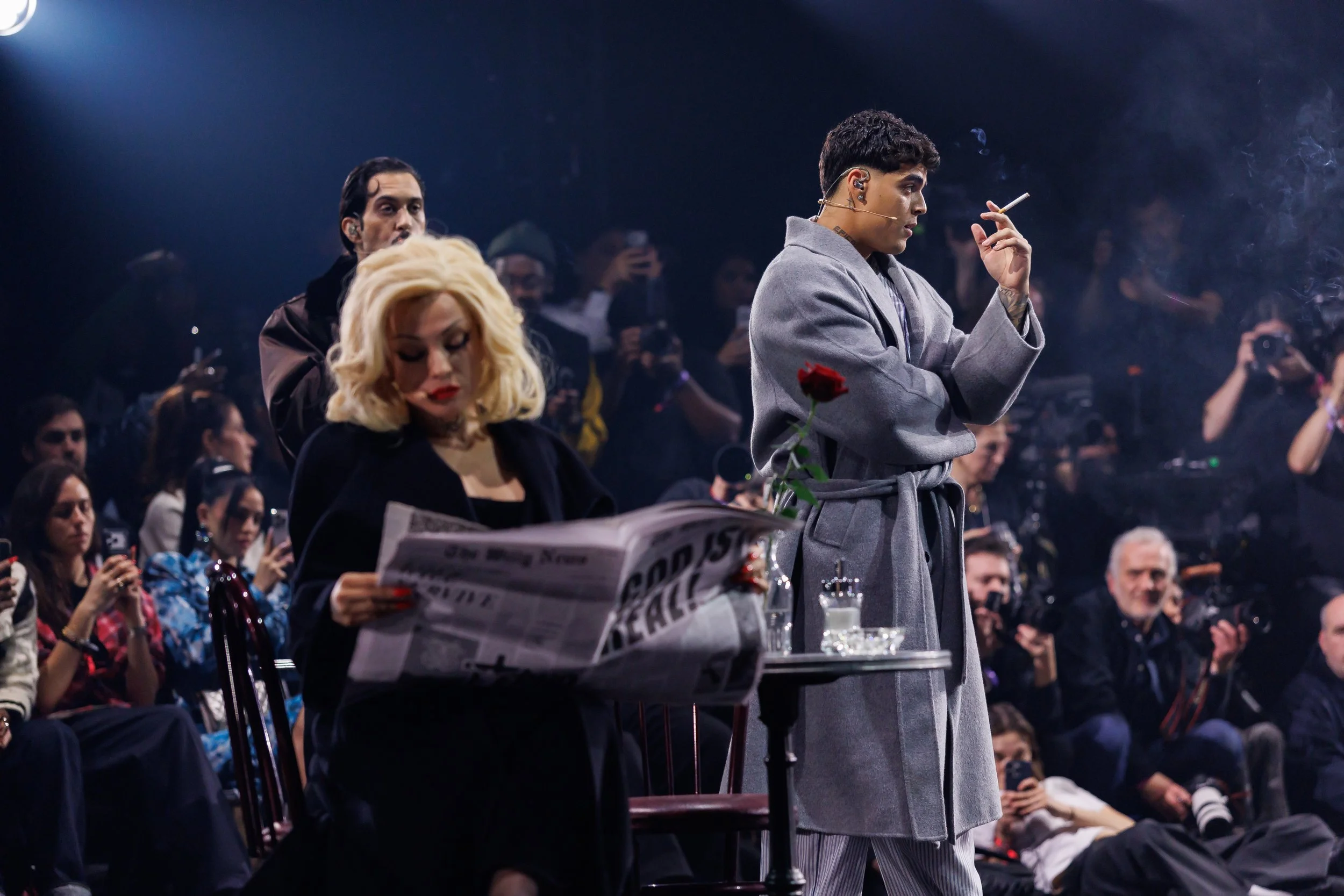
Footwear, designed in-house and produced with APICCAPS and partners in Portugal, reinforced craftsmanship. The Furia heel appeared to wrap sensually around the toes; the Salon Loafer reimagined the 1970s Cuban silhouette with unmistakable Chavarria attitude.
Protection Is Love
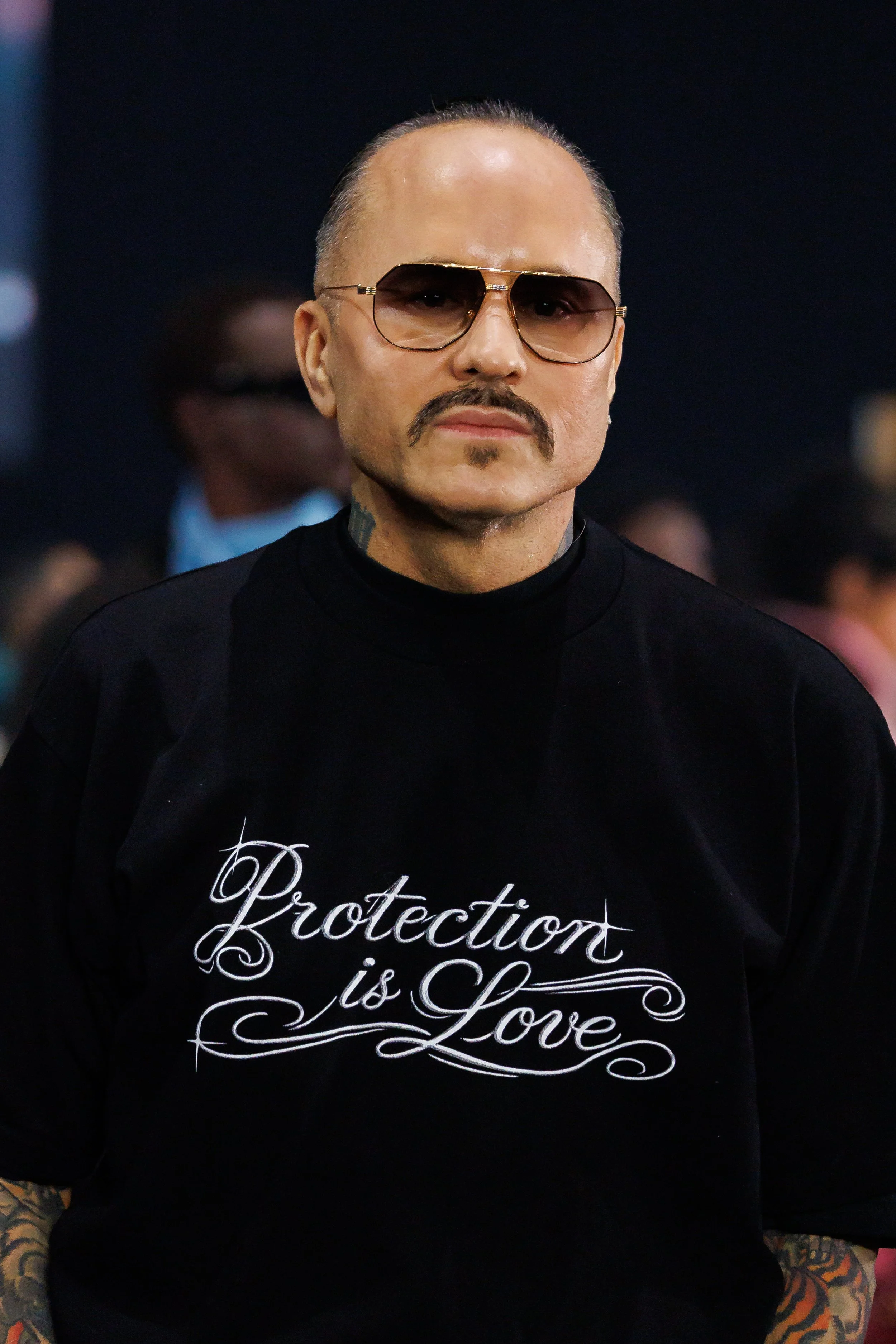
For his final bow, Chavarria wore a T-shirt created with The Ordinary reading “Protection is Love.” One hundred percent of proceeds will benefit Rainbow Railroad, the global nonprofit helping at-risk LGBTQI+ individuals reach safety.
In an era where fashion often borrows the language of activism without material follow-through, the gesture felt concrete. Love, in Chavarria’s lexicon, is not aesthetic. It is action. It is protection. It is dignity.
The Business Of Emotion
Behind the poetry lies infrastructure. Logistics partner Worldnet transported the collection from New York to Paris. Tailoring is produced in Italy; denim and jersey in the United States. Accessories—Italian suedes, snakes, napas, calfskins—expand into a serious leather goods category, led by the debut of the Bronca Bag, engineered with a magnetic leather frame and loose “W” belt detail designed to compete in the crowded “It” bag arena.
Chavarria’s world now spans BIG WILLY hoodies to bespoke red-carpet gowns, global sportswear collaborations to queer-tech partnerships. It is a brand architecture built not just on product tiers, but on emotional continuity.
Autumn/Winter 2026 was not about nostalgia or futurism. It was about presence—about dressing like the person you aspire to be.
See full runway and details:
HOW DO YOU FEEL ABOUT FASHION?
COMMENT OR TAKE OUR PAGE READER SURVEY
Featured




Flower by Edie Parker’s 2026 “Boobs on Drugs” campaign starring Amanda Batula reframes cannabis culture through a lens of female autonomy, blending fashion-forward storytelling with meaningful advocacy for criminal justice reform.