
Pouring Responsibly: Why Alcohol Server Training Is Essential in Washington

PAGE
By PAGE Editor
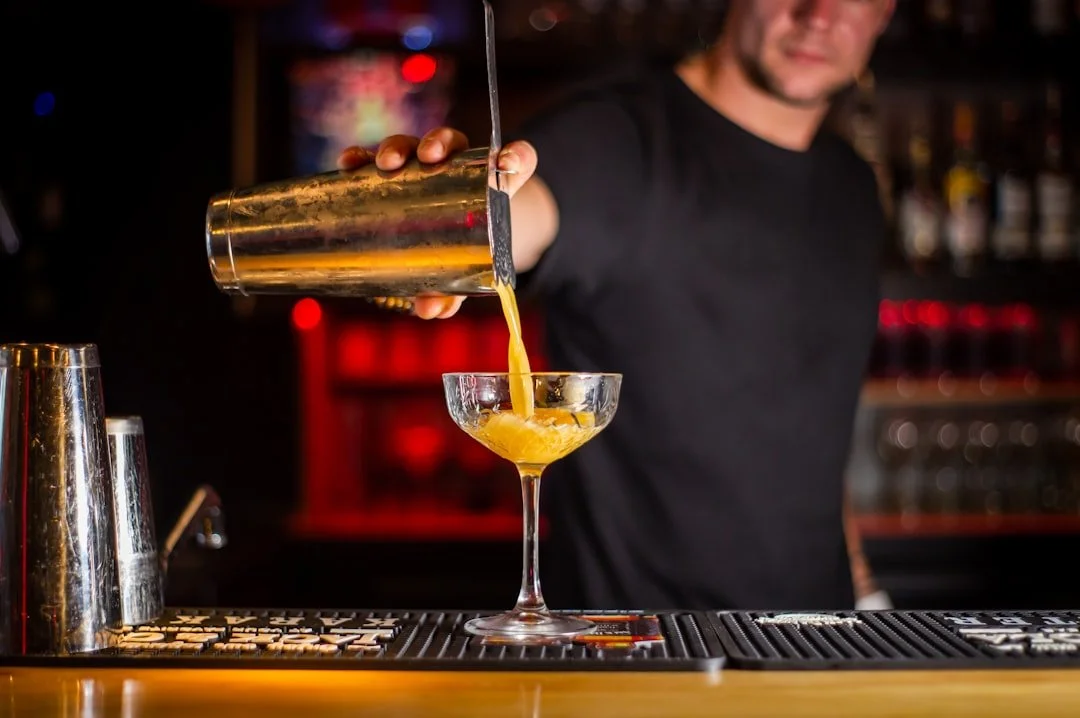
In Washington state, serving alcohol isn’t just part of the hospitality experience—it carries a significant legal and ethical responsibility. Whether you're mixing a drink behind the bar, serving wine at a fine-dining restaurant, or managing a bustling taproom, you're on the front lines of public safety. Alcohol server training plays a critical role in ensuring that servers and establishments know how to handle alcohol-related situations with professionalism and care.
This training, required by law, empowers workers to prevent over-service, underage drinking, and potentially tragic consequences. But beyond compliance, it fosters a culture of accountability that benefits customers, businesses, and entire communities.
What the Law Requires
In Washington, the rules around alcohol service are laid out by the Washington State Liquor and Cannabis Board (WSLCB). If you work in any establishment where alcohol is sold—whether you’re a server, bartender, or manager—you’re required to complete Mandatory Alcohol Server Training and obtain what’s known as a MAST permit.
There are two types of permits. The Class 13 permit is for workers aged 18 to 20, allowing them to serve but not mix or pour alcohol. The Class 12 permit is for those 21 and older and permits full-service capabilities, including pouring and supervising others.
Training must be completed within 60 days of being hired, and the permit remains valid for five years. Failing to comply can lead to severe penalties, including citations, fines, or even the loss of a business's liquor license.
Why Training Matters: More Than Just a Rule
The importance of alcohol server training extends far beyond legal compliance. First and foremost, it promotes public safety. Servers are taught to recognize the signs of intoxication, understand the physical effects of alcohol, and know when to cut someone off—skills that could very well prevent a fight, injury, or a fatal car accident.
Another key area of focus is preventing underage drinking. Washington has strict penalties for serving minors, and alcohol server training prepares workers to handle ID checks with confidence. It covers how to spot fake or altered IDs and reinforces the importance of never making assumptions about a customer’s age.
Training also protects businesses from legal and financial fallout. A single mistake can trigger costly lawsuits, damaged reputations, and the loss of liquor licenses. Well-trained staff can significantly reduce that risk, and many insurers even offer better coverage options to businesses with certified employees. Beyond risk reduction, staff who are trained in responsible service tend to be more professional and more confident, creating a better experience for customers.
Building Confidence in Real-World Situations
One of the most valuable aspects of alcohol server training is how it prepares workers for challenging real-life encounters. Imagine a crowded bar on a Friday night, and a guest becomes visibly intoxicated. Without training, a new server might hesitate, unsure whether to serve another drink or how to handle the situation.
With proper training, that same server understands how to assess the signs of intoxication, how to communicate firmly but respectfully, and how to involve a manager or security if needed. The training provides practical tools and guidelines—not just theoretical knowledge—so that staff can act with confidence and professionalism.
A Positive Ripple Effect on Communities
Responsible alcohol service creates a safer, more enjoyable environment for everyone. When staff are properly trained, it reduces the likelihood of fights, drunk driving, and other alcohol-related incidents. It also enhances the reputation of local establishments, making nightlife districts more attractive to both residents and tourists.
Over time, communities benefit from lower crime rates, improved public health, and better relationships between businesses and local authorities. Alcohol server training, in this way, becomes part of a broader ecosystem of public safety and responsible business practices.
The High Cost of Ignoring Training
To understand the stakes, consider the consequences of skipping training or not taking it seriously. A bar that serves an underage patron—even unintentionally—can face thousands of dollars in fines and potentially lose its liquor license. An untrained server who continues to serve an intoxicated customer might unknowingly enable a DUI that ends in tragedy.
These aren't hypotheticals. Incidents like these have happened across Washington, and they serve as cautionary tales. But there are also success stories: trained servers who recognize fake IDs and refuse service, or who spot signs of overconsumption and act quickly to prevent escalation. These moments show just how essential training is—not just for avoiding penalties, but for protecting lives.
Getting Certified in Washington
Fortunately, getting your MAST permit is a simple, straightforward process. Approved providers—many of whom offer online courses—deliver training that usually takes between three to five hours. The course covers state laws, recognizing intoxication, proper ID verification, and how to handle tricky service situations.
Once completed, your provider will send your permit details to the WSLCB, and your physical permit will arrive by mail. The permit is valid for five years, and renewing it is just as easy as taking the course again when the time comes.
Whether you’re a new server or a seasoned bartender, having a valid MAST permit ensures you’re legally authorized to serve—and well-equipped to do it responsibly.
Final Thoughts
Serving alcohol is a privilege, not just a job function. And in Washington, that privilege comes with clear expectations. Alcohol server training—and the MAST permit that proves it—equips workers with the tools they need to serve safely, responsibly, and confidently.
In the end, it's not just about following the law. It's about protecting lives, supporting businesses, and creating a safer, more enjoyable experience for everyone involved. Pouring responsibly isn’t just good practice—it’s essential.
HOW DO YOU FEEL ABOUT FASHION?
COMMENT OR TAKE OUR PAGE READER SURVEY
Featured




Water offers enjoyment, relaxation, and physical activities for people.