
Roof Repair vs. Roof Replacement: How to Decide What’s Best for Your Home
PAGE
By PAGE Editor
Introduction
When homeowners discover roof issues, one of the first questions they ask is whether a repair will be enough or if full replacement is necessary, notes Excellence Property Management experts The decision isn’t always straightforward, and making the wrong choice can lead to wasted money or recurring problems.
Both roof repair and roof replacement serve important purposes, but they differ in cost, longevity, and long-term value. Knowing when to patch a problem and when to start fresh can save you from frustration and unnecessary expenses.
With the help of experienced contractors like Ridge Runner Roofing, homeowners can evaluate their roofing system and choose the most cost-effective, reliable solution. Let’s look at the factors that guide this decision.
Understanding Roof Repair
Roof repair addresses specific issues without replacing the entire system.
Typical Roof Repairs
Replacing missing or broken shingles
Sealing leaks around flashing or vents
Fixing small sections of damaged decking
Cleaning or unclogging gutters causing water backup
Benefits of Roof Repair
Lower upfront cost compared to full replacement
Quick turnaround time, often completed in a single day
Extends the lifespan of an otherwise functional roof
Repairs are ideal for younger roofs or when problems are localized and limited in scope.
Limitations of Roof Repair
While repairs are cost-effective in the short term, they’re not always the right solution.
When Repairs Fall Short
The roof is approaching the end of its lifespan
Damage is widespread across multiple sections
Repairs have been repeated with little long-term improvement
In these cases, the temporary fixes may cost more over time than investing in roof replacement.
Understanding Roof Replacement
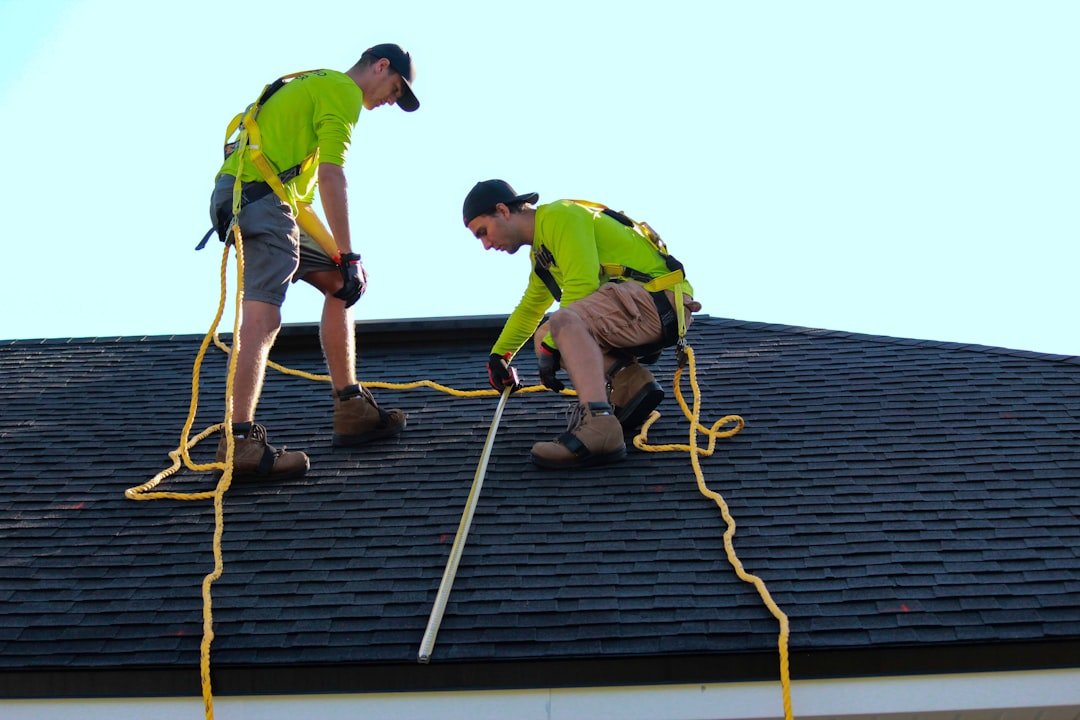
Roof replacement involves removing the old system down to the decking and installing a new roof.
What It Includes
Tearing off old shingles or panels
Inspecting and repairing decking as needed
Installing underlayment, flashing, and ventilation
Laying new roofing materials for complete coverage
Benefits of Roof Replacement
Provides a brand-new system with decades of protection
Improves energy efficiency with modern materials
Increases home value and curb appeal
Eliminates the cycle of ongoing repairs
Although more expensive upfront, replacement often pays off through durability and fewer maintenance costs.
Signs Roof Repair May Be Enough
Not every problem requires full replacement.
Repair-Friendly Scenarios
The roof is less than 10 years old
Damage is limited to a small, visible section
Leaks are caused by flashing or isolated shingle issues
The underlying decking is in good condition
In these cases, targeted repairs can restore performance without major investment.
Signs Roof Replacement Is the Better Option
Sometimes starting fresh is the smarter move.
Replacement-Worthy Scenarios
The roof is 15–20+ years old
Multiple leaks appear across different areas
Shingles are curling, cracking, or losing granules widely
Decking or structural supports show signs of rot
Energy bills are climbing due to poor insulation and ventilation
Replacement ensures long-term protection rather than repeatedly addressing surface-level symptoms.
Cost Comparison: Repair vs. Replacement
Cost plays a central role in deciding between repair and replacement.
Roof Repair Costs
Minor shingle fixes: $150–$600
Moderate leak repairs: $500–$1,500
Larger patch jobs: $2,000+
Roof Replacement Costs
Average asphalt shingle replacement: $8,000–$18,000
Metal or premium materials: $20,000–$40,000+
While repair is less expensive initially, frequent fixes can add up. A replacement may be more cost-effective if your roof requires ongoing attention.
Considering Roof Lifespan
Each roofing material has an expected lifespan. Comparing that to your roof’s age can guide your decision.
Asphalt shingles: 15–30 years
Metal roofing: 40–70 years
Tile roofing: 50–100 years
Slate roofing: Up to 200 years
If your roof is nearing the end of its typical lifespan, replacement is usually the wiser choice.
The Role of Professional Inspections
It’s not always easy for homeowners to determine whether repair or replacement is needed. A professional inspection provides clarity.
What Inspectors Check
Condition of shingles and flashing
Signs of water damage in decking and attic
Ventilation and insulation performance
Age-related wear and tear
With this information, contractors can provide an honest recommendation tailored to your roof’s condition. Ridge Runner Roofing, for example, helps homeowners weigh the pros and cons of repair versus replacement to make the most informed choice.
Energy Efficiency Considerations
Older roofs often lack the technology that modern materials provide. Roof replacement in Asheville can significantly reduce heating and cooling costs through reflective surfaces, better insulation, and improved ventilation.
Repairs don’t usually provide these efficiency upgrades, making replacement the better option if energy savings are a priority.
Long-Term Value of Replacement
Though replacement costs more upfront, the long-term benefits often outweigh short-term repairs.
Replacement Benefits
Fewer maintenance calls
Stronger resistance to severe weather
Higher resale value
Warranty coverage for decades of protection
Replacement also offers peace of mind, knowing your roof won’t fail during the next big storm.
Conclusion
Choosing between roof repair and roof replacement depends on your roof’s age, condition, and the extent of damage. Repairs are ideal for newer systems with localized issues, while replacement provides a fresh start when roofs are old, inefficient, or failing in multiple areas.
By carefully weighing the costs, lifespan, and long-term value, you can make the best choice for your home and budget. For expert evaluations and dependable service, Ridge Runner Roofing helps homeowners navigate this important decision with confidence.
HOW DO YOU FEEL ABOUT FASHION?
COMMENT OR TAKE OUR PAGE READER SURVEY
Featured




When investing in quartz countertops, choosing the right warranty and care package is just as important as selecting the color and finish.