
Signs You Might Need a Roof Inspection Sooner Than You Think

PAGE
By PAGE Editor
Your roof is one of those things you don’t think about until there’s a problem—and by then, it’s often too late. A small leak today can turn into a major (and expensive) disaster tomorrow. The tricky part? Roof damage isn’t always obvious. Sometimes, the warning signs are subtle, easy to miss if you’re not paying attention.
So, how do you know when it’s time to call in a professional for a roof inspection—before things get out of hand? Here are some key signs that your roof might be in worse shape than you think.
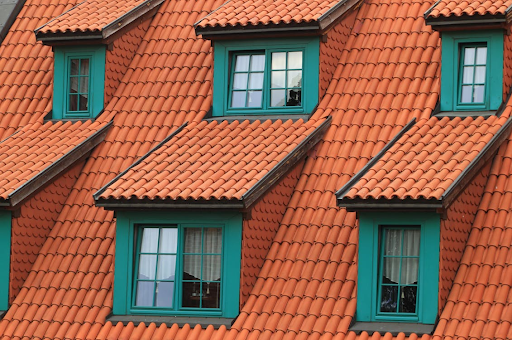
You’ve Noticed Missing or Damaged Shingles
Shingles are your roof’s first line of defense against the elements. If they’re cracked, curling, or completely missing, your roof is vulnerable. High winds, heavy storms, and just plain old age can wear them down over time.
Take a quick look from the ground—do you see any shingles that look warped or out of place? Are there pieces in your yard after a storm? Even a few missing shingles can lead to leaks, so don’t wait until you see water stains on your ceiling to take action. You can check out some of the professional inspection services on this site, where you can find contacts of people who can make sure your roof is in top condition. They will conduct quality assurance, early detection of any issues, and address any safety concerns so that you will have peace of mind.
There’s Granule Loss in Your Gutters
Asphalt shingles have tiny granules that help protect them from UV rays and weather damage. Over time, these granules wear off, but if you’re suddenly finding a lot of them in your gutters, it’s a red flag.
Check your downspouts after heavy rain—if you see a bunch of black, sand-like granules collecting at the bottom, your shingles may be deteriorating faster than expected. This could mean your roof is nearing the end of its lifespan.
Your Ceiling Has Water Stains or Discoloration
Water stains on your ceiling or walls are one of the most obvious signs of a roof leak—but by the time you see them, the leak has probably been there for a while. If you notice yellowish-brown stains, peeling paint, or bubbling drywall, don’t just repaint over it. Track down the source before the damage spreads.
Sometimes, leaks hide in your attic, so grab a flashlight and check for damp spots, mold, or musty smells. Even if your ceiling looks fine now, a small leak can lead to rot, mold growth, and structural damage if ignored.
Daylight Is Peeking Through Your Roof Boards
If you go into your attic on a sunny day and see streaks of light coming through the roof boards, that’s a problem. Your roof should be completely sealed—no gaps, no holes. Those little beams of sunlight mean there are openings where water, pests, and cold air can get in.
While you’re up there, also check for sagging areas, wet insulation, or dark streaks (which could indicate moisture). If anything looks off, it’s time for an inspection.
Your Energy Bills Are Suddenly Higher
Have your heating or cooling costs spiked for no obvious reason? Your roof might be the culprit. Poor insulation, ventilation issues, or hidden leaks can make your HVAC system work harder to maintain a comfortable temperature.
If your home isn’t holding heat in the winter or staying cool in the summer like it used to, your roof’s condition could be to blame. A professional can check for gaps, damaged insulation, or ventilation problems.

You’ve Had Severe Weather Recently
Even if your roof looks fine after a storm, hidden damage can lurk beneath the surface. High winds can loosen shingles, hail can cause dents and cracks, and heavy rain can exploit weak spots.
If your area has experienced extreme weather—especially if it’s been a few years since your last inspection—it’s worth getting a professional opinion. Some damage isn’t visible from the ground, and catching it early can save you thousands in repairs.
Your Roof Is Over 20 Years Old
Most asphalt shingle roofs last about 20-25 years. If yours is approaching (or has surpassed) that age, it’s living on borrowed time. Even if it looks okay, aging materials become brittle, less effective at shedding water, and more prone to leaks.
If you’re not sure how old your roof is, check your home’s records or ask the previous owner. An inspection can tell you whether you need minor repairs or a full replacement soon.
Moss or Algae Is Growing on Your Roof
A little moss might look charming, but it’s bad news for your roof. Moss holds moisture against the shingles, which can lead to rot and deterioration. Algae (those black streaks you often see) isn’t as damaging, but it can still indicate excess moisture.
If you notice green patches or dark streaks, it’s worth having a roofer check for underlying damage. They can also recommend safe cleaning methods—pressure washing can rip off granules and make things worse.
When in doubt, call a trusted roofing professional. They can spot issues you might miss and give you an honest assessment of whether you need repairs or if it’s time to start budgeting for a replacement. Your roof protects everything underneath it—so give it the attention it deserves before the next big storm hits.
HOW DO YOU FEEL ABOUT FASHION?
COMMENT OR TAKE OUR PAGE READER SURVEY
Featured





At LVMH Watch Week in Milan, Hublot sets the tone for 2026 by unveiling a bold lineup that fuses technical mastery, innovative materials, and high-profile collaborations—from the Novak Djokovic GOAT Tourbillon and 20th-anniversary Big Bang Original Unico to Samuel Ross designs, new chromatic explorations, and football-inspired limited editions.