
Superstitions at the Roulette Table: Do They Influence the Game?

PAGE
By PAGE Editor
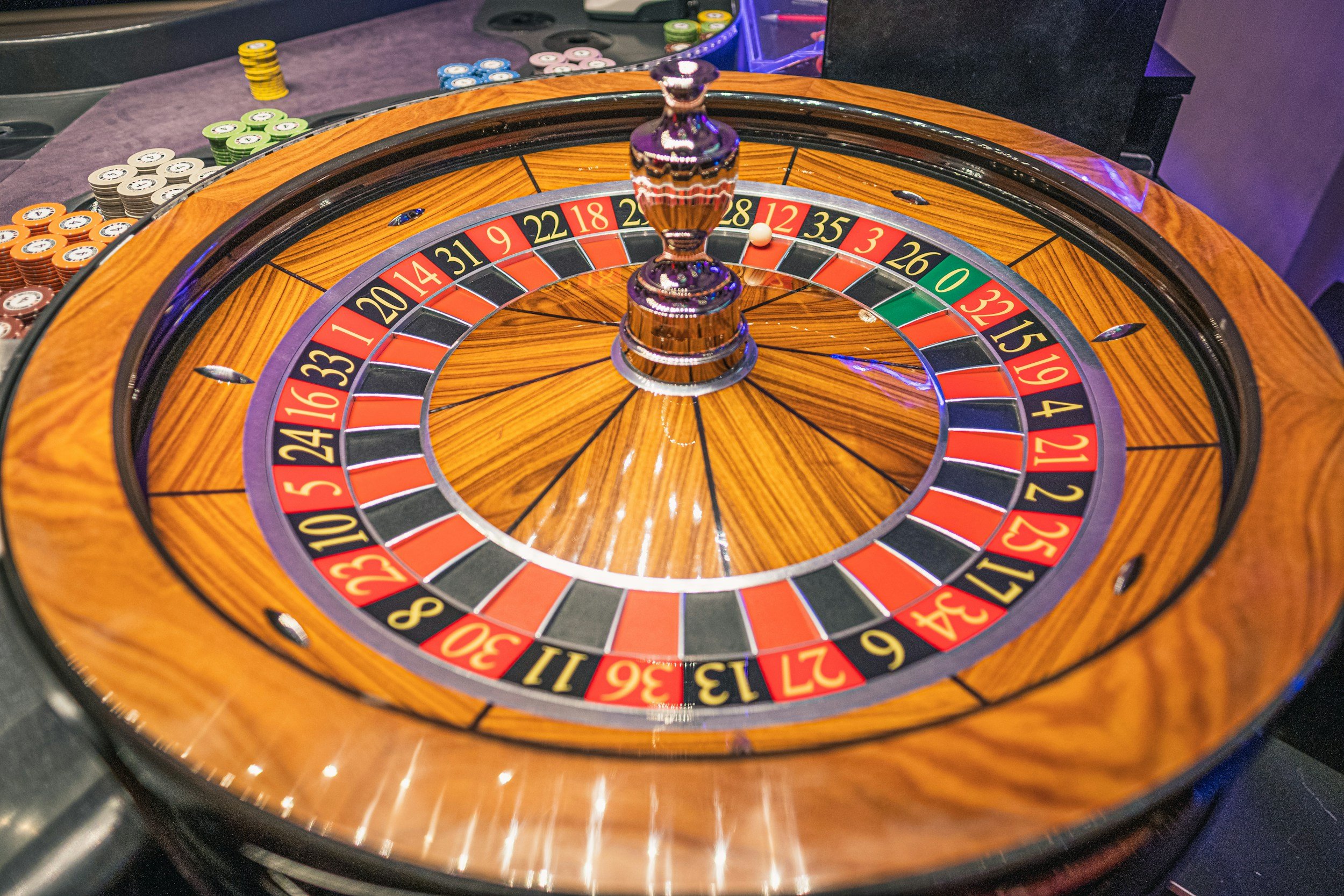
Roulette is one of the most iconic games in any casino. The spinning wheel, the bouncing ball, and the thrill of a last-second win or loss all create an experience filled with excitement. But beyond the numbers and odds, there’s another side to roulette that many players bring to the table—superstition.
From lucky numbers to special rituals, superstitions are deeply woven into the culture of roulette. But do these beliefs actually influence the game? Let’s explore the psychology behind roulette superstitions and whether they hold any weight when it comes to results.
Why Superstitions Are So Common in Roulette
Superstitions often emerge in games of chance, especially ones like roulette, where the outcome is completely unpredictable. Unlike poker or blackjack, there’s no skill involved in the outcome of a roulette spin. This uncertainty can make players feel out of control, and superstitions help bring a sense of order or personal influence over randomness.
The Illusion of Control
Many roulette players fall into the trap of thinking they can influence outcomes by performing certain actions or making specific choices. This is known as the “illusion of control.” It gives players a false sense of security and confidence, even though the game is based entirely on chance.
When people feel uncertain or powerless, they often look for patterns or rituals to gain back a sense of control. That’s where superstitions come in.
Common Roulette Superstitions Around the World
Different players, different beliefs. Yet, across casinos—both online and in-person—many superstitions seem to repeat themselves.
Lucky Numbers
One of the most popular roulette superstitions is betting on a “lucky number.” Some people pick numbers based on birthdays, anniversaries, or other personal milestones. Others favor numbers with cultural significance—like 7, which is considered lucky in many parts of the world.
Interestingly, the number 17 is one of the most commonly chosen numbers in roulette. It’s placed near the center of the betting grid, making it visually appealing to players. Even James Bond was known to bet on 17 in the movies.
Touching the Chips
In some cultures, players believe that touching their chips before placing them on the table brings good luck. Others may insist that only they can touch their chips, fearing that someone else’s touch might bring bad luck. Whether it’s traditional casino games or niche online trends like slut roulette, superstitions and rituals often play a big role in how people experience the game.
Rituals Before the Spin
Some players perform small routines before placing their bets—like tapping the table, spinning their chips, or even blowing on them for luck. Others may have a favorite dealer they believe brings them good fortune.
These rituals don’t change the outcome, but they create a sense of consistency that makes the player feel more confident and in control.
Do These Superstitions Influence the Outcome?
The simple answer is no. Superstitions do not influence the actual outcome of a roulette spin.
Roulette, whether physical or digital, is based on randomness. In live casinos, the outcome depends on the speed of the wheel, the bounce of the ball, and pure chance. In online casinos, outcomes are controlled by random number generators (RNGs), ensuring fairness and unpredictability.
That said, while superstitions don’t impact the mechanics of the game, they do influence player behavior—which in turn can affect betting decisions, mood, and enjoyment.
The Psychological Impact of Belief
Even if superstitions don’t affect the spin, they can influence how people experience the game. For some players, having a lucky charm or number boosts their confidence and makes them more engaged. For others, losing despite a ritual can lead to frustration and clouded judgment.
Boosting Confidence
Some studies suggest that believing in a lucky charm can improve performance in tasks that involve confidence—even if the charm itself has no effect. In roulette, this might translate to bolder bets or a more relaxed playing style.
Encouraging Risky Behavior
On the flip side, superstition can sometimes lead to irrational betting. Players might continue betting on a "cold" number, convinced it’s due to hit, or increase their wager after a loss in hopes that their luck will turn around. This can lead to bigger losses, especially for those chasing a win based on a belief rather than logic.
Is There Harm in Being Superstitious at the Table?
For most players, superstitions are harmless and add to the fun. They create personal rituals and stories that make the game more entertaining. However, problems can arise when these beliefs lead to irresponsible gambling.
Know Where to Draw the Line
If a superstition helps you enjoy the game, there’s no harm in embracing it. But it’s important to remember that roulette is random. No number is “due,” and no charm can alter the outcome. Betting should always be based on sound limits and bankroll management—not magical thinking.
Final Thoughts
Superstitions at the roulette table are part of the game’s charm. They reflect human nature, our desire for control, and the need to find meaning in uncertainty. While these beliefs don’t change the odds or the outcome, they do shape how we play, feel, and experience the game.
So, if touching your lucky coin or betting on your birthdate makes roulette more fun for you—go for it. Just remember that luck doesn’t follow rituals, and the wheel doesn’t know who’s betting.
At the end of the day, roulette is a game of chance. Play smart, have fun, and don’t let superstition spin you out of control.
HOW DO YOU FEEL ABOUT FASHION?
COMMENT OR TAKE OUR PAGE READER SURVEY
Featured





When investing in quartz countertops, choosing the right warranty and care package is just as important as selecting the color and finish.