
THCA Flower vs. CBD Flower: Learn About the Differences
PAGE
By PAGE Editor
The cannabis plant has always been a master of complexity, holding dozens of compounds that interact with our bodies in different ways.
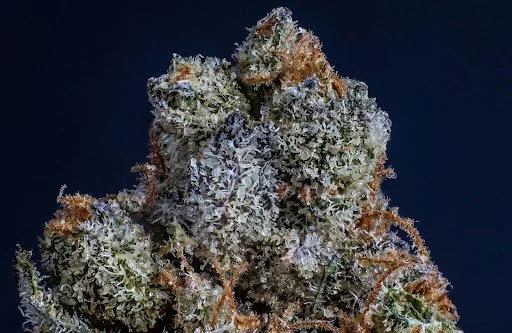
Since almost all cannabis flowers look similar, you might think that this THCa and CBD flower are the same at first glance. After all, they are both cannabis blooms, sporting sticky trichomes and enriched with deep terpene aromas. And both are sold with wellness-minded claims.
While the outer differences may seem subtle, these two flowers are very different. Their difference mainly lies in their chemical makeup, legal status, and the way they make the user feel when ingested.
Let us explain those differences, helping you understand which flower can help you with your particular needs.
What Is THCa Flower?
THCa flower is cannabis in its raw, acidic form. Instead of carrying active THC, the buds are packed with tetrahydrocannabinolic acid, a cannabinoid that doesn’t get you high on its own.
This is because THCa’s molecular structure still contains a carboxyl group that prevents it from binding to the brain’s CB1 receptors in the same way THC does. Once heat is applied, however, this changes completely.
Through a process called decarboxylation, that extra group is shed, and THCa transforms into delta-9 THC, the psychoactive compound most people associate with marijuana. Because of this, THCa flower is seen as sitting on the line between hemp and cannabis.
In its raw form, it’s not intoxicating, but once you smoke, vape, or bake it into edibles, it becomes identical to THC in effect. This dual nature makes it both fascinating and controversial.
When people want to consume it raw, they often buy it on the THCa flower Clearance sale in bulk, and toss it in their salads or blend it into their green smoothies.
What Is CBD Flower?
CBD flower comes from hemp varieties bred to carry high levels of cannabidiol and only trace amounts of THC. Unlike THCa, CBD doesn’t need heat to “activate” into another form; it remains stable whether you smoke, vape, or infuse it into oil.
And unlike THC, it doesn’t cause a high, making it appealing for people who want relaxation, stress relief, or other potential benefits without intoxication.
CBD flower can be enjoyed much like traditional cannabis buds: ground up and rolled, packed into a vaporizer, or even steeped into a tea. Because it comes from hemp, it’s often more widely available and less restricted than THC-rich cannabis.
Beyond flowers, people mostly use CBD oil, which is cited for many benefits. Still, it’s important to remember that CBD flower is not totally THC-free; most contain trace amounts that fall within legal limits, but enough that sensitive users or those facing drug tests should take note.
Chemistry and Activation Differences
The chemistry between these two flowers is where the fork in the road really shows. THCa is a cannabinoid in its acidic form, which means it’s basically THC waiting to happen.
When heat is applied, as in when people smoke, vape, or even slow-bake in the oven, THCa decarboxylates and becomes delta-9 THC.
This conversion is why a THCa-rich flower can be legally sold as “non-intoxicating hemp” in some places, but in practice delivers the full psychoactive punch once smoked.
CBD flower doesn’t play this trick: it’s already in its active, neutral state and doesn’t require conversion to interact with the body. It interacts differently, too: instead of binding directly to CB1 receptors like THC, CBD works more indirectly, influencing serotonin receptors and calming overactive signals in the endocannabinoid system.
These molecular differences are why one flower can be used during the day without mental disruption, while the other demands more caution.
Psychoactivity And User Experience
For most people, the experience is the deciding factor. Smoke THCa flower and you’ll feel the psychoactive lift that comes with THC: heightened mood, changes in perception, and, in higher doses, the classic stoned state that slows thoughts and alters time perception.
If you don’t apply heat, though, THCa on its own won’t create these effects, which is why some people juice raw cannabis or sprinkle raw flower into smoothies.
CBD flower tells a different story. It won’t get you high, but it can produce a gentle calm, a sense of unwinding, and in some cases, better sleep. The experience is subtle, more like a soft blanket than a rollercoaster ride.
Terpenes also play a big role, shaping whether a flower feels uplifting, grounding, or soothing. For anyone wanting clarity without intoxication, CBD flower usually wins. For those chasing the THC experience, opt for THCa.
Therapeutic Potential And Research
CBD has been studied far more extensively than THCa, which is still in the early stages of research. The biggest landmark for CBD was the FDA approval of Epidiolex, a purified CBD medication used to treat rare forms of epilepsy.
Beyond that, studies suggest CBD may help with anxiety, pain, inflammation, and sleep problems, though more large-scale human trials are needed.
THCa, on the other hand, has mainly been studied in preclinical settings. Early findings suggest potential anti-inflammatory and neuroprotective properties, with some hints that it could support nausea management.
But there’s a long way to go before doctors can confidently recommend it. Anecdotal reports often fill the gaps, with users claiming THCa provides unique benefits when consumed raw.
The lack of strong evidence doesn’t erase its potential. It simply means THCa is still a cannabinoid to watch while CBD remains the more established player in therapeutic conversations.
Legal Status And Regulations
The legal landscape is where things get tricky. CBD flower derived from hemp with less than 0.3 percent delta-9 THC is federally legal in the United States under the 2018 Farm Bill.
However, states can and do set their own rules, and international laws vary even more. THCa flower exists in a gray zone.
Technically, THCa itself is not delta-9 THC, so in raw form it may be sold as hemp in some jurisdictions. But once heat is applied, it becomes THC, which is still federally illegal outside regulated state programs.
Because of this conversion, some regulators use “total THC” testing, which factors in how much THCa will convert to THC after decarboxylation.
Buyers should be cautious. What’s legal in one state could land you in trouble in another. Always check local laws before traveling or buying, especially with products that can be easily heated into psychoactive form.
Dosing And Consumption Methods
Dosing with CBD flower is relatively straightforward: start with a few puffs or a small portion, then wait to see how your body responds. It’s forgiving because CBD doesn’t produce intoxication at standard amounts. THCa flower requires more thought.
If consumed raw, it may deliver non-intoxicating effects, but once heat is involved, you’re dealing with full-blown THC. That means the “start low and go slow” mantra is essential.
A small amount of smoked THCa flower can feel manageable, but higher doses may hit harder than expected. Vaping and smoking convert THCa instantly, while making edibles involves slow decarboxylation that can create a longer-lasting, more potent effect.
Juicing raw cannabis or adding flower to cold dishes avoids decarboxylation and preserves THCa’s unique profile. Whatever the method, consistency matters: use the same approach each time so you can fine-tune your personal dose rather than dealing with surprises.
Lab Testing, Quality, And Safety
No matter which flower you choose, lab testing is the deal-breaker. A reliable certificate of analysis should list THCa, CBD, delta-9 THC, and the total THC calculation. It should also include screenings for pesticides, heavy metals, residual solvents, and microbial contamination.
With THCa flower, labs need to show both the raw THCa content and how much will convert to THC after decarboxylation. Without this transparency, it’s impossible to know what you’re really buying.
CBD flower should show compliance with legal THC limits and clearly outline cannabinoid and terpene profiles. Any company unwilling to share third-party lab results is cutting corners and should be avoided.
Quality also extends to how the flower is grown, organic practices, proper curing, and careful storage, all of which influence safety and effect. When it comes to cannabis, trust is built on testing, and safe consumption starts with reading those reports.
How Terpenes Influence Effects
Terpenes are the aromatic compounds that give buds their signature scents, like citrusy limonene, piney pinene, earthy myrcene, or floral linalool, and they directly influence how the experience feels.
In THCa flower, terpenes combine with activated THC to shape whether the high feels energetic, dreamy, or sedating. In CBD flower, terpenes play an equally important role, often giving a subtle lift or calming background to CBD’s relaxing profile.
The entourage effect suggests cannabinoids and terpenes work together, meaning a full-spectrum flower can feel very different from an isolate.
Paying attention to terpene content can help you match a flower to your lifestyle, a limonene-rich CBD strain for daytime focus, or a myrcene-heavy THCa strain for winding down.
Choosing Between THCa And CBD Flower
Choosing between these two flowers comes down to what you want and what risks you’re willing to take.
If your goal is calm, clarity, or wellness without intoxication, CBD flower is usually the safer, more predictable choice. It carries fewer legal complications and won’t trigger the same workplace drug test risks as THC.
THCa flower, however, appeals to those who want the psychoactive experience of cannabis while still being able to buy products that sometimes slip under hemp definitions. Just remember, once heat enters the picture, it’s no different than THC in terms of effects and risks.
Practical Considerations Before Buying
Before buying, think beyond the strain name and price tag. Start with the certificate of analysis to see cannabinoid breakdowns, total THC calculations, and terpene profiles.
With THCa flower, remember that what looks harmless on paper can become intoxicating once you spark it up. If you’re concerned about workplace testing, stick with CBD flower or raw consumption methods that don’t involve heat.
Look into how the flower was grown; pesticide-free and organic methods are best for safety. Vendor reputation also matters: established sellers with consistent reviews and clear policies are far more trustworthy than a flashy brand with no transparency.
When exploring options for THCa or CBD flowers, it’s smart to stick with trusted brands that prioritize quality and transparency. Mamba Brands, for example, provides a range of flowers that cater to both wellness seekers and those looking for a traditional cannabis experience. Checking reviews, certificates of analysis, and sourcing information from reputable companies like this ensures a safer and more enjoyable experience.
Final Thoughts
THCA flower and CBD flower may share the same roots, but they diverge in chemistry, experience, and legal status. THCa holds the potential for intoxication once heated, while CBD offers a gentler, non-intoxicating path that appeals to wellness seekers.
Both deserve respect, but they demand different considerations. Lab testing, local laws, and personal tolerance should guide every decision.
Whether you want clarity or euphoria, the smartest move is choosing trusted products and using them responsibly. Cannabis offers many doors, and understanding what’s behind them is the key to enjoying the experience without unwanted surprises.
HOW DO YOU FEEL ABOUT FASHION?
COMMENT OR TAKE OUR PAGE READER SURVEY
Featured




Nobody starts out as a cigar aficionado.