
The Affordable "Old Money" Wardrobe: Elevating Your Style Without Breaking the Bank
PAGE
By PAGE Editor
So you've been scrolling through TikTok or Pinterest, and everywhere you look — camel coats, navy blazers, cream knits, loafers. The "old money" look. You love it. But then you check the price tags on The Row or Loro Piana and think, okay, that's literally my rent.
Here's the thing nobody in those aesthetic Pinterest boards tells you: the women (and men) who actually grew up with generational wealth? They weren't buying new designer every season. They were wearing the same navy blazer for 12 years. The same leather loafers until the soles wore thin. The same cashmere sweater their mother handed down.
The old money look was never about spending big. It was about spending right. And that's something anyone can learn.
Your Closet Is Probably Working Against You
Let's start with an uncomfortable number. The average fast fashion garment gets worn 7 to 10 times before it's tossed — a 36% decline from just 15 years ago. Meanwhile, the average American throws out 81.5 pounds of clothing per year. That's not a wardrobe. That's a revolving door.
And it's expensive. Americans spend roughly $1,945 a year on apparel — about $162 a month. If most of those purchases cycle out within a season, you're essentially renting your clothes at a terrible rate.
Now compare that to the old money approach. One well-made wool coat, worn three winters. A pair of leather loafers you resole once. A silk blouse that gets better with each wash. These aren't luxury fantasies — they're math. When you divide price by the number of times you actually wear something, a $90 piece you wear 100 times costs 90 cents per outing. A $25 trendy top you wear 5 times? That's $5 each time.
The secondhand market figured this out. Vestiaire Collective's research found that pre-loved garments work out 33% cheaper per wear than new fast fashion — because they were made to last in the first place.
The 7-Piece Starter Kit (Under $350 Total)
Enough philosophy. Here's what to actually buy first — and roughly what you should expect to pay if you shop smart (think end-of-season sales, secondhand, or brands that prioritize fabric over logos).
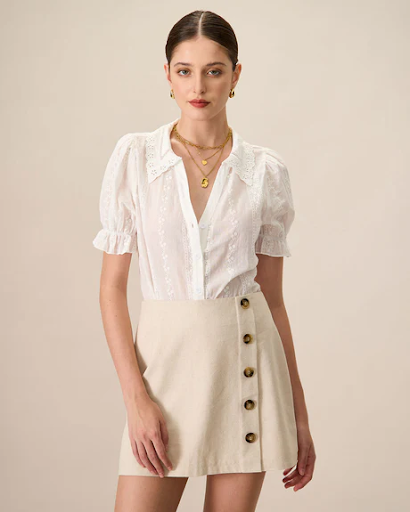
A white collared blouse ($25–45). This is your workhorse. Cotton or cotton-linen blend, not polyester. Look for one with a clean collar that sits flat and buttons that don't pull. Tuck it into everything — trousers, midi skirts, high-waisted jeans. A good white blouse makes a $30 outfit look like a $300 one.
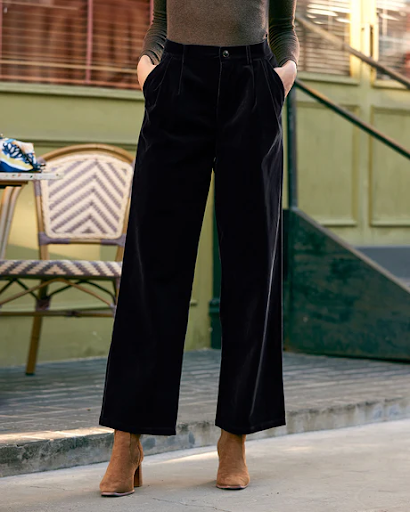
Dark navy or black tailored trousers ($35–60). Not skinny. Not wide-leg trendy. A straight or slightly tapered cut with a mid-to-high rise. Wool blend if you can find it; heavy cotton works too. These replace jeans for every situation where you want to look put-together without thinking about it.
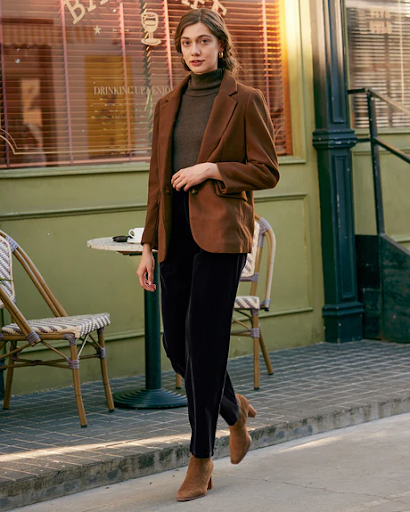
A structured blazer in navy, camel, or charcoal ($40–80). If you buy one item secondhand, make it this. Thrift stores are flooded with quality blazers that just need a $15 sleeve alteration. The key: make sure the shoulders fit. A tailor can fix everything else.
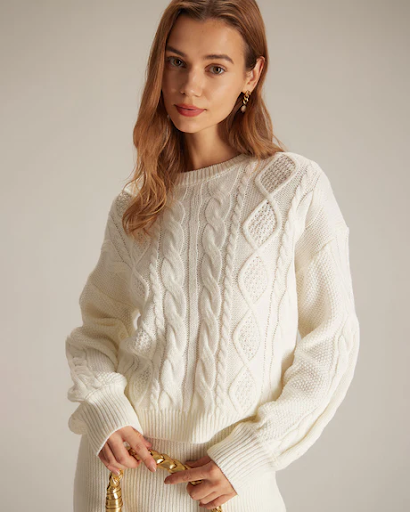
A fine-knit crewneck sweater in cream or oatmeal ($30–55). Merino wool or a cotton-cashmere blend. No logos, no patterns. Layer it over the blouse with the collar peeking out. This single move reads as "effortlessly wealthy" across every culture.
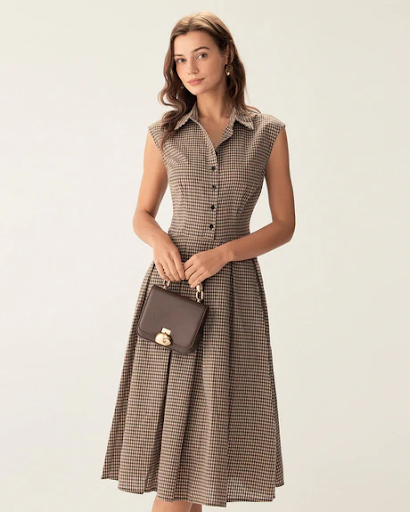
A midi dress with a clean silhouette ($30–50). Wrap style or fitted bodice with an A-line skirt. Solid color — think burgundy, forest green, navy, or black. One dress that takes you from a work meeting to a dinner date without changing. This is where brands like RIHOAS genuinely shine — their European cinema-inspired cuts create that elegant drape and fitted silhouette at a fraction of what you'd pay elsewhere, and they actually line their skirts (a detail most affordable brands skip, but one that instantly separates "cheap" from "chic").
Leather or leather-look loafers ($35–65). The old money shoe. Brown, black, or burgundy. Pointed or almond toe. They replace sneakers for everything except the gym, and they elevate every single outfit above by at least one perceived income bracket. No joke.
One quality scarf — silk or lightweight wool ($15–30). This is the secret weapon. Tie it on your bag. Wear it around your neck. Use it as a hair accessory. A $20 silk scarf draped right adds more personality than a $200 statement necklace.
Total: roughly $210–385. Less than most people spend on a single "haul" that ends up in a donation bin six months later.
Three Tricks That Cost Almost Nothing
1. Get one thing tailored. Take that blazer (or trousers, or a thrifted dress) to a tailor. Hemming costs $10–20. Sleeve shortening runs $15–25. Taking in a waist, about $20. For under $30, you turn a good piece into something that looks custom. This is the single biggest difference between "she shops well" and "she looks expensive." Old money families have always known this. Now you do too.
2. Read the fabric label before you read the price tag. Touch the fabric. Flip the tag. You're looking for cotton, linen, wool, silk, or blends of these. If it says 100% polyester, put it back — no matter how cute it looks on the hanger. Natural fibers drape differently, breathe differently, and age differently. RIHOAS runs their R&D team through thousands of fabric samples each season specifically because they know this: the fabric IS the product. A beautiful design in a bad fabric falls apart — literally and visually — after three washes.
3. Set a palette and stop second-guessing. Pick three neutrals (navy, cream, camel or black, white, grey) and two accent colors you love (burgundy and forest green, or dusty rose and slate blue). Now every piece you own works together. Getting dressed in the morning takes 90 seconds instead of 20 agonizing minutes. That ease? That's the real old money energy — looking pulled-together without appearing to try.
Why This Matters Beyond Aesthetics
Here's a number that stopped me cold: 92 million tons of textile waste gets produced every year globally. The average garment is worn fewer than 10 times. We're buying 60% more clothing than we did 15 years ago and keeping each piece for half as long.
The old money wardrobe isn't just a style — it's a quiet rebellion against this entire system. When you buy a cream knit sweater you'll wear for four years instead of four fast-fashion versions that pill after two washes, you're voting with your wallet for a different kind of fashion economy. The global secondhand apparel market has hit $260 billion precisely because millions of people are waking up to this.
And it's not about perfection or purity. It's about direction. Maybe you thrift the blazer and the loafers, buy the blouse new from a brand that cares about fabric quality, and slowly replace the pieces that don't serve you anymore. That's enough. That's the whole thing.
The Real Secret
I'll leave you with the most useful thing I've learned about style: the women who look the most expensive almost never have the most clothes. They have fewer pieces, better fabric, and everything fits.
That's it. That's the cheat code.
You don't need to be born into money to dress like you were. You need a white blouse, a good blazer, one killer dress, and the confidence to stop chasing trends that were designed to make you feel behind.
Start small. Start this weekend. Your future wardrobe — and your bank account — will thank you.
HOW DO YOU FEEL ABOUT FASHION?
COMMENT OR TAKE OUR PAGE READER SURVEY
Featured
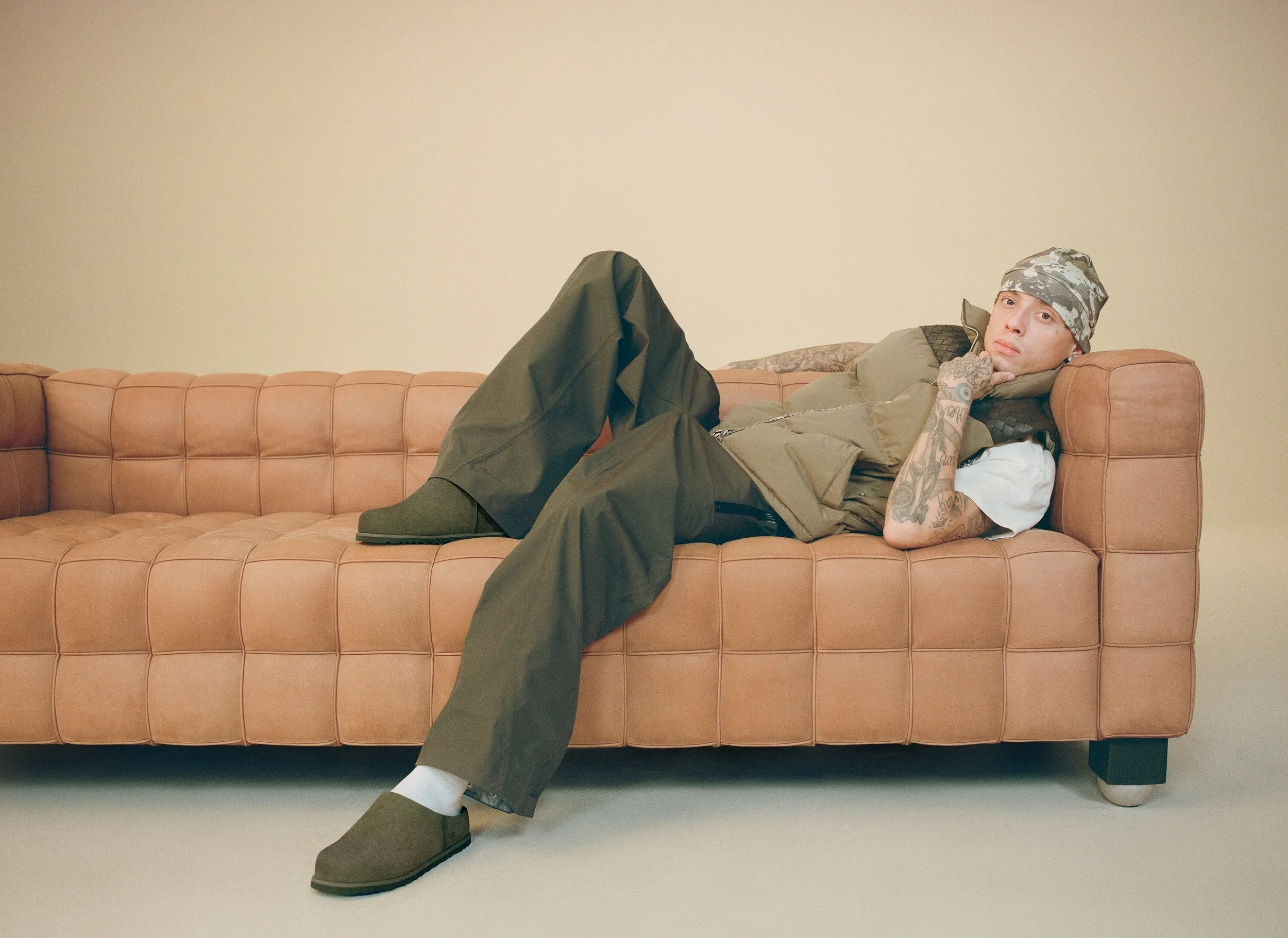
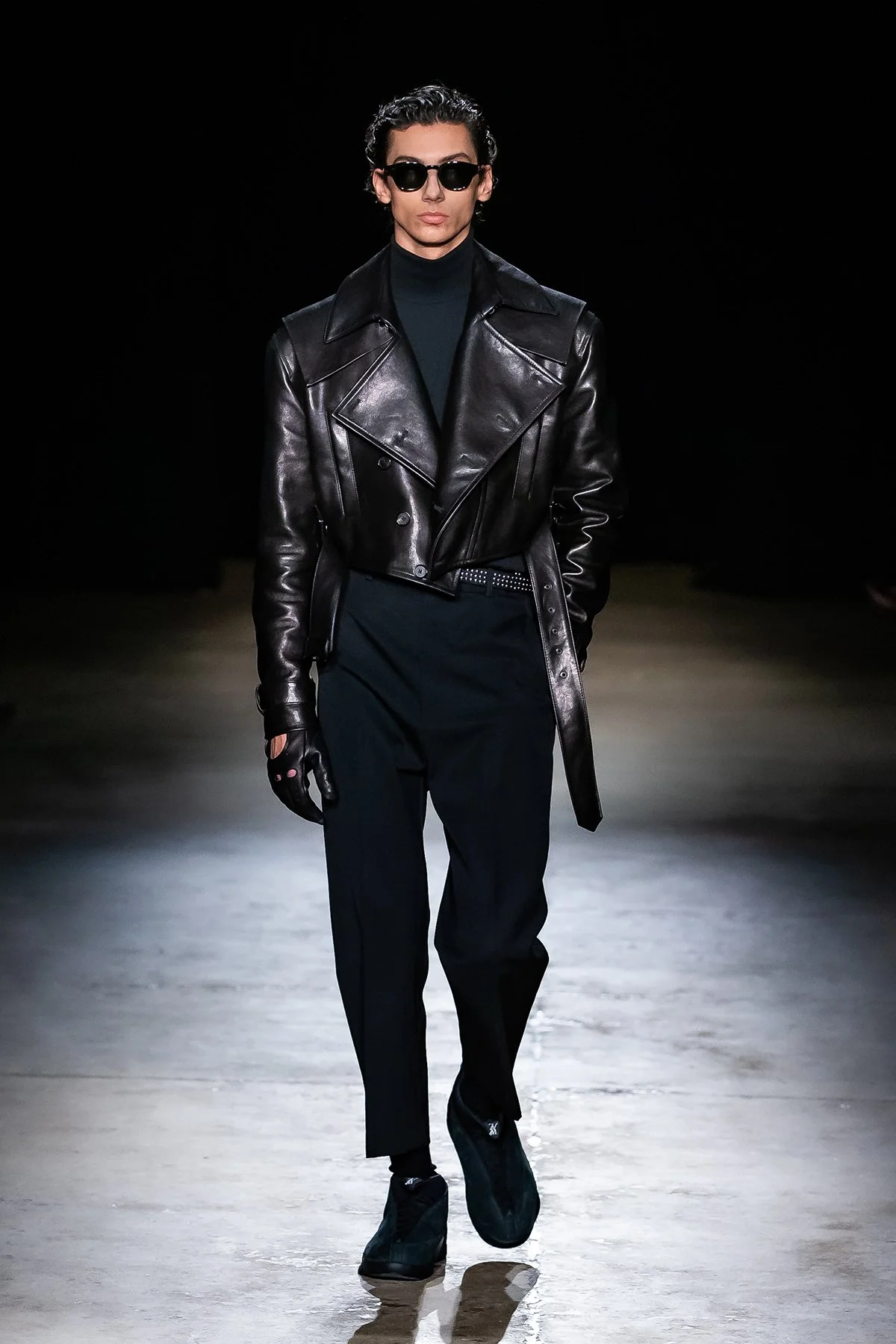
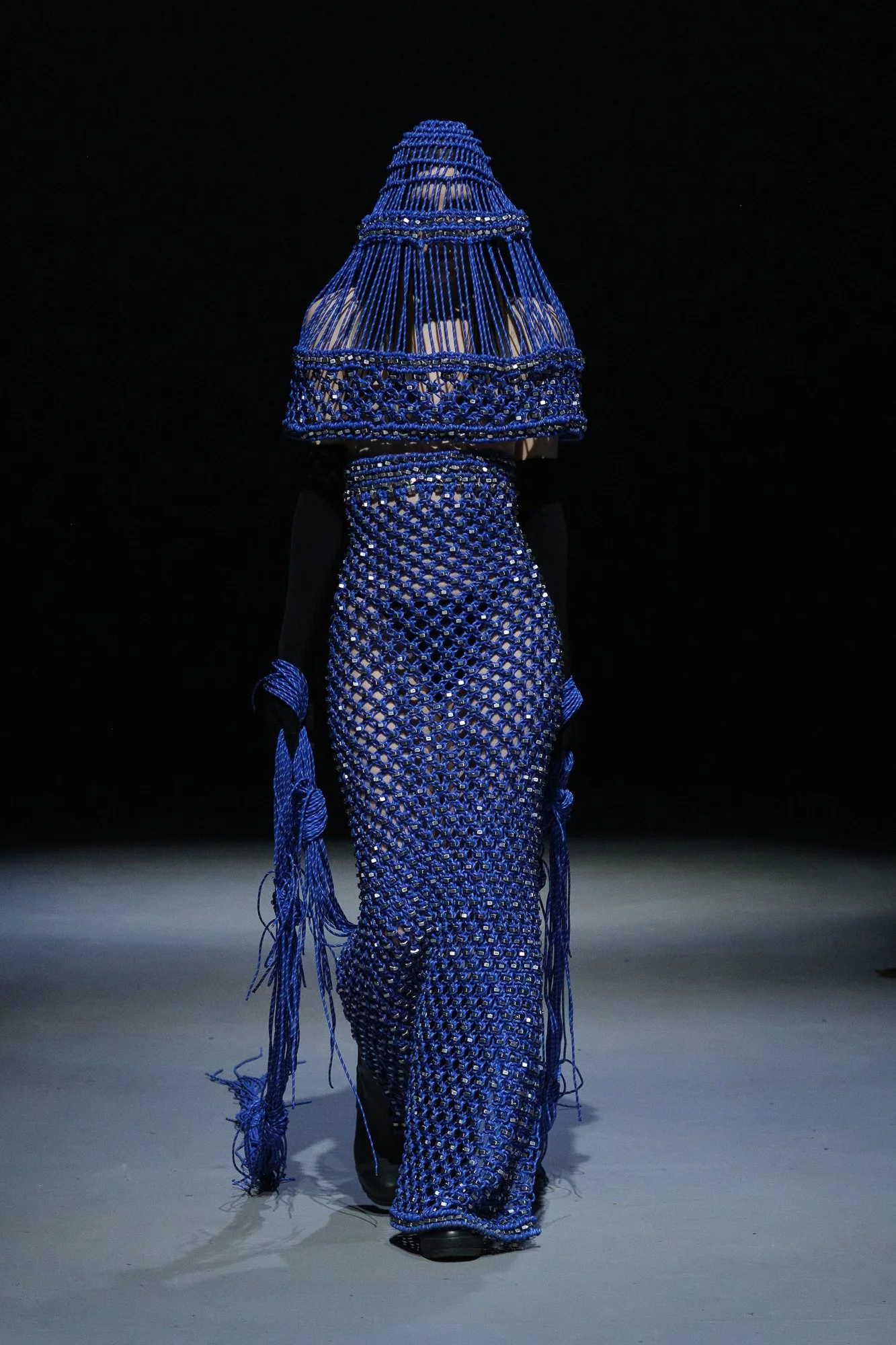
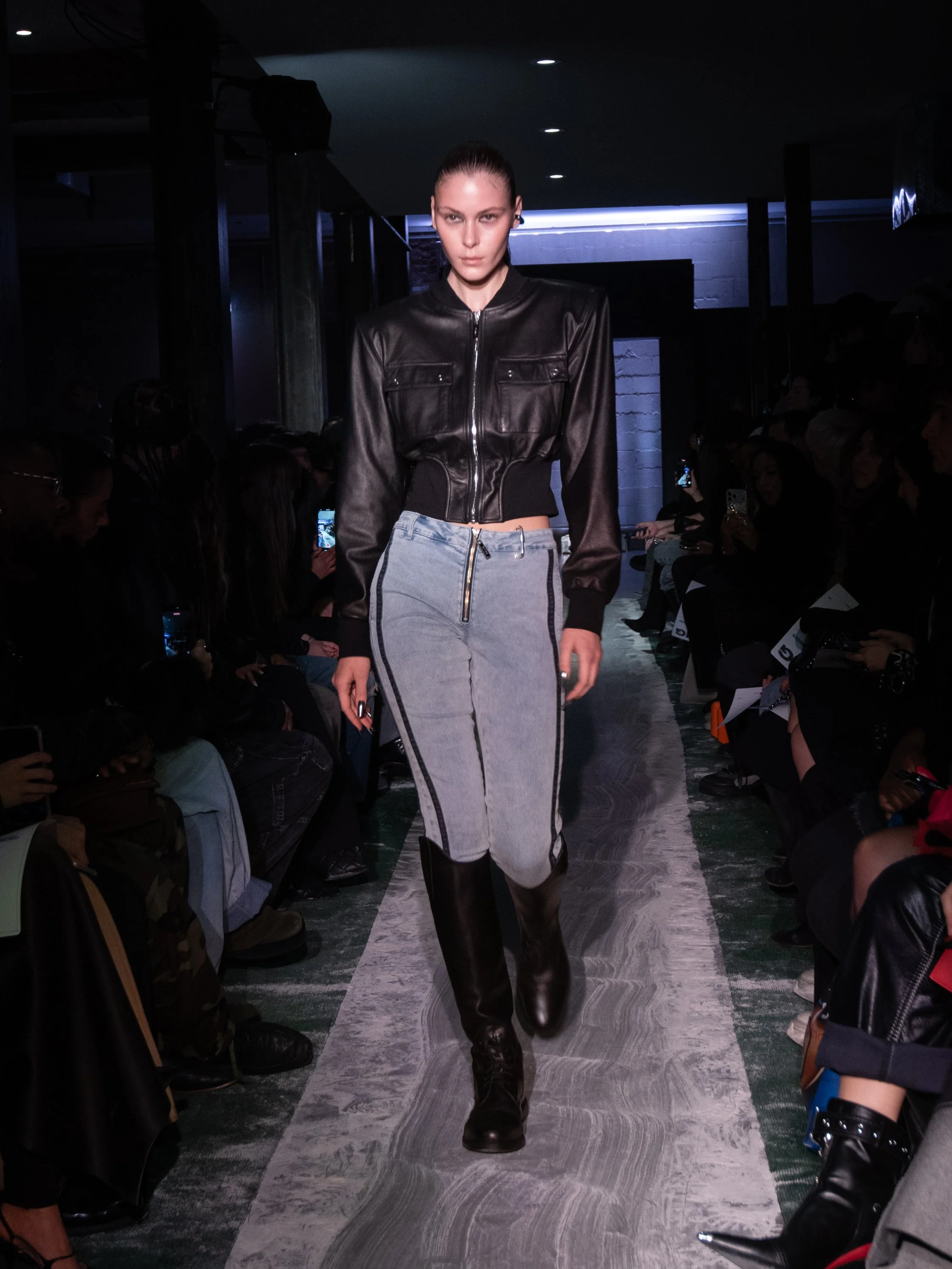
Terrence Zhou of Bad Binch TongTong has been named the 2026 CFDA | Genesis House AAPI Design + Innovation Grant recipient, earning $100,000 and recognition for a collection that reimagines cultural heritage as a catalyst for contemporary innovation.