
The Essential Countertop Guide: Function And Fashion In The Kitchen
PAGE
By PAGE Editor
Choosing the perfect kitchen countertop is a significant decision that profoundly influences your space's overall design and functionality. With an extensive array of natural and man-made materials, colors, patterns, finishes, and edge profiles available, selecting the right option can feel overwhelming. It is essential to remember that a countertop is not a one-size-fits-all solution; the ideal choice must align seamlessly with both your personal style and your daily lifestyle. Whether your kitchen serves as a lively hub for dinner parties, a practical area for daily meal preparation, or even an occasional workspace for creative projects, its countertops will endure considerable wear and tear. Therefore, selecting a surface that not only breathes new life into your kitchen's aesthetic but also meets your maintenance expectations and promises long-term durability is paramount.
Quartz Countertops
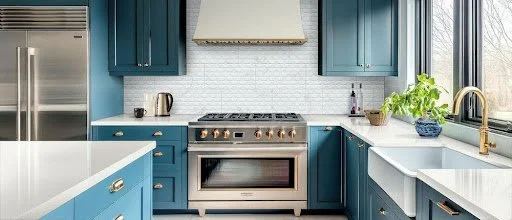
Among the most popular and robust options are quartz countertops, often referred to as engineered stone. These surfaces are primarily composed of approximately 93 percent loose quartz crystals, which are then pigmented and bound together with resin, forming a remarkably durable man-made material. Quartz surfaces are celebrated for mirroring the beauty of natural stone without its inherent imperfections, requiring less maintenance than many natural alternatives. Their non-porous nature makes them resistant to bacteria and dirt, and they are nearly indestructible, capable of withstanding heat, scratches, and stains.
Unlike natural stone, quartz never needs to be sealed or polished, and cleaning is effortlessly simple with just a damp cloth or mild soap. Being waterproof, quartz is also an excellent choice for installations involving undermount kitchen sinks. The advanced manufacturing process for quartz has led to a material that closely resembles natural stone, but with the added benefit of pigments, allowing for a much wider range of colors and patterns than typically found in natural stone. For those desiring the luxurious look of marble without the concerns of staining and high maintenance, marble-look quartz offers a compelling alternative.
Granite Countertops
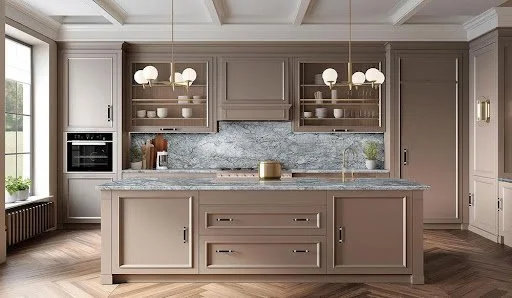
Granite stands as an undisputed top choice for countertops, revered for its combination of stunning aesthetics and incredible durability. This natural stone is a favorite among homeowners globally, though its price can vary significantly based on color and quality, with exotic, high-end options being pricier than simpler alternatives. Granite countertops are exceptionally well-suited for active households, as the hard stone capably withstands high heat and daily use, requiring only soap and water for cleaning. When properly sealed, its non-porous surface provides a sanitary environment, repelling bacteria and dirt, making it ideal for meal preparation. To maintain protection against stains, annual sealing is recommended.
While granite is very durable, it is wise to exercise caution around edges and corners, as these areas are more susceptible to cracking. Beyond its practical benefits, granite imbues a unique sense of luxury, with thousands of colors available. The diverse mineral compositions within each slab give the stone depth and character, ensuring every granite countertop is one-of-a-kind, allowing for truly unique kitchen designs. This distinctiveness can also contribute to your home's value over time.
Quartzite Countertops
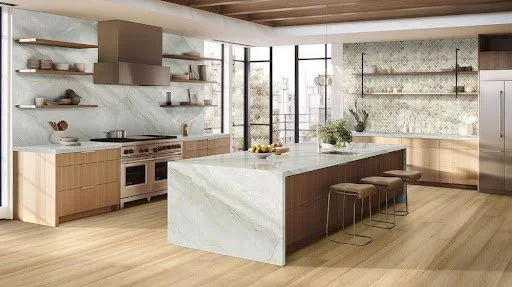
Another increasingly popular countertop material is quartzite, which, despite its similar name, is distinctly different from quartz. Quartzite is a natural stone, formed from sandstone subjected to immense heat and pressure, resulting in a beautiful and exceptionally durable surface. Ideal for kitchens that experience heavy use, quartzite, like granite, is incredibly strong and inherently heat-resistant. It is even harder than granite, making it one of the strongest popular surface stones available. Quartzite is also less porous than many other natural options, including granite, with some slabs requiring little to no sealing. Its high resistance to UV rays means it will not fade in color, even in kitchens with abundant natural light, ensuring it stands effortlessly against both time and heavy use when properly cared for. As a natural stone, each quartzite slab is unique, typically featuring subtle neutral shades ranging from white to beige to gray, with fewer flecks or spots than granite. Its striking veining and beautiful colors offer a timeless appeal similar to marble but with significantly less upkeep, making it perfect for those seeking an elegant look that can withstand rigorous use.
Marble Countertops
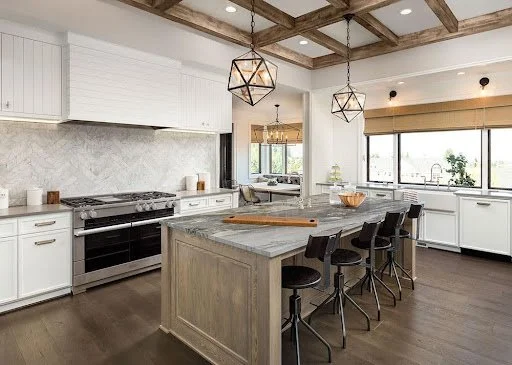
Marble countertops are truly breathtaking, cherished for their timeless elegance and luxurious appeal that can significantly enhance any space and boost a home’s value, though they are among the pricier options. Unlike the hardy quartzite and granite, marble is a softer stone and thus more prone to damage, necessitating extra care and sealing to prevent stains, scratches, chips, and etching. Minor nicks or scratches can usually be buffed out. While not delicate, marble may not be the optimal choice for an exceptionally busy kitchen or a professional chef, as water, other liquids, and acidic substances can stain or etch the surface if not promptly cleaned.
However, pastry chefs and home bakers often adore marble for its naturally cool surface, which is ideal for rolling out dough. Over time, marble develops a charming patina that many find enhances its character, encouraging an embrace of these lovely signs of use rather than striving for perpetual perfection, though heat protectors should always be used to avoid scorching. Each piece of marble showcases unique patterns of marbling, created by mineral deposits and natural colors that are difficult to replicate, offering a range from grayish backgrounds to white with bold, dramatic veins. With thoughtful consideration and care, marble countertops represent a timeless and stylish investment that remains fashionable regardless of trends.
Thin Porcelain Slabs
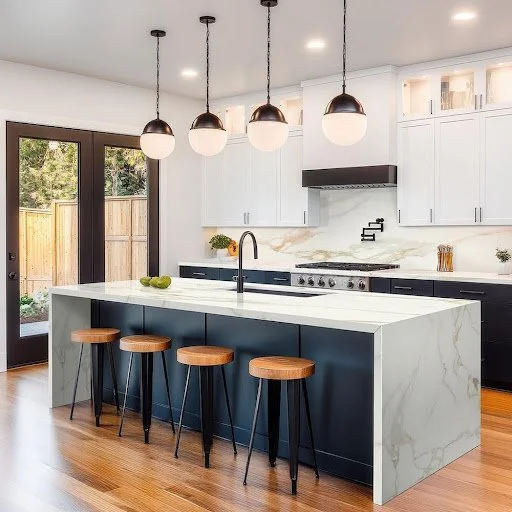
Thin porcelain slabs represent a newer countertop option that is rapidly rivaling popular quartz, extending beyond their traditional uses in flooring and showers. These slabs offer the elegant appearance of natural stone in a lightweight design, often at a fraction of the cost. Their installation can also be significantly quicker than other countertop types, helping new builds or remodels stay on schedule. Weighing approximately 2.5 to 6 pounds per square foot, porcelain slabs are considerably lighter than other natural stone countertops. This lightweight quality allows thin porcelain to be installed directly over an old, outdated counter, providing a quick transformation. Engineered to be as tough as quartz, porcelain slabs resist etching, stains, and heat. These super durable, smooth surfaces are incredibly low maintenance and, being non-porous, are resistant to bacteria and germs, with very few grout lines making them exceptionally easy to clean.
However, it is advisable to research installation carefully, as not all fabricators may be experienced with this relatively new material. Available in a lovely variety of colors and natural textures that mimic other natural stone countertops, thin porcelain slabs can enhance many different design styles and can even be used as a nearly seamless backsplash. Their large panels provide a sleek look that complements modern aesthetics or adds a fresh, contemporary feel to more traditional spaces, offering an affordable and swift way to refresh a kitchen with a stunning new look.
Soapstone Countertops
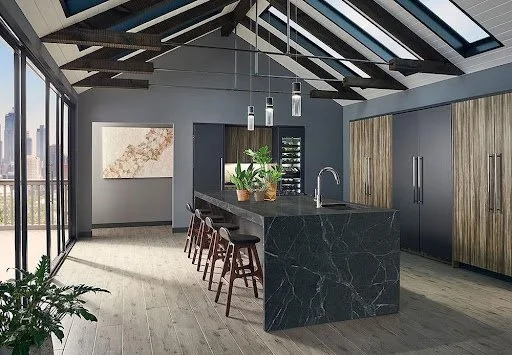
For those seeking a low-maintenance, luxurious-looking option that is also budget-friendly, soapstone countertops are an excellent choice. This natural metamorphic rock gets its name from the talc content that gives it a soft, soapy texture. Unlike many other natural stones, soapstone is non-porous, meaning it does not absorb spills or liquids, which is why it is frequently found in laboratories where cleanliness is paramount. Soapstone countertops are ideal for kitchens that see more than average mess, and families often appreciate their versatility as a combined cooking space, science lab, craft area, homework station, and workshop. Soapstone surfaces are easily cleaned with a simple solution of soap and water, requiring little upkeep beyond casual cleaning and occasional spot checks for scratches. Its non-porous nature surprisingly means it does not require sealing.
Another advantage is its pliable, less brittle composition, which means the countertop is less likely to crack unexpectedly from stress or weight. While granite offers a vast color palette, soapstone slabs typically range from gray, bluish-gray, green, to black, depending on the mineral content. Though favored in modern farmhouse kitchens, soapstone can complement any style, from traditional to modern to eclectic. Its appeal in country or farmhouse styles is partly due to its requirement for periodic oiling, often with mineral oil, to maintain its best appearance and to care for any scratches. This wear and care process encourages a natural patina to develop over the years, a rustic, worn quality that many find alluring.
Butcher Block Countertops
Stepping away from natural stone, butcher block countertops have rapidly gained traction, offering a warm, classic aesthetic and serving as an ideal workspace for food preparation. Their softer, solid wood surface is perfect for cutting and chopping. Maple is a common wood choice, though exotic options like teak are also available, and this variety in wood types contributes to a range of prices. However, butcher block countertops are not universally perfect. Those seeking a pristine surface should note that butcher block naturally develops a warm patina over time, altering its appearance. It requires more attention than some other materials, as heat can cause damage, and cuts or scrapes tend to show easily. Yet, with gentle care, these countertops can last for many years.
The porous wood necessitates regular treatments with mineral oil or beeswax, though varnish can offer better resistance to stains. Should burns or scratches occur, simple sanding and reapplication of oil can make them less noticeable. Butcher block may be best suited for kitchen islands without plumbing, as installation around a sink or dishwasher can lead to humidity changes that cause the wood to expand or contract. Homeowners are increasingly drawn to natural elements like wood tones to infuse warmth and coziness into their spaces. While some prefer a flawless surface, others appreciate the evolving look of butcher block, which reveals the countertop's character and tells a story of its use. It is also a highly customizable countertop option, making it easier to install, repair, and adapt to different spaces compared to stone slabs.
Stainless Steel Countertops
Stainless steel, once considered too sterile and cold for home decor, has emerged as a hidden gem in modern and contemporary kitchens, valued for its versatile material that complements almost any style. Beyond its attractive appearance, stainless steel is highly practical for busy kitchens. As its name implies, it is stain-resistant and exceptionally durable, withstanding heat, making it ideal for active cooking areas. Furthermore, its non-porous surface prevents moisture, microbes, and grime from taking hold, requiring only regular cleaning with disinfectant. However, it is not entirely indestructible; dents, scratches, and fingerprints can show easily, potentially making it less suitable for households with small children.
Caution is advised when cleaning, as certain chemicals like drain cleaners and products for hard water deposits can discolor the countertop. To maintain its shine, white vinegar and olive oil or a specialized stainless steel cleaner can be used. Similar to butcher block, stainless steel countertops are designed to develop a unique look over time, offering a sleek appearance that pairs seamlessly with stainless steel appliances or can be mixed with other metals in the design. While steel may show wear after years of use, for those whose kitchen visions involve heavy use, stainless steel remains an excellent choice.
Which Countertop is Right for You?
Modern kitchens, often on full display in open-concept plans, demand countertops that balance sleek design with sturdy functionality to handle daily wear and tear. The wide range of durable and timeless options available serves as an excellent starting point for any remodel or new build. Their inherent staying power and combination of function and fashion can elevate your kitchen, making it a truly exceptional space.
MS International (MSI Surfaces) is a leading distributor of high-quality surfaces, including countertops, flooring, and tile. With a commitment to bringing the best materials to homes and businesses, our team understands the importance of both aesthetics and performance in creating lasting spaces. We partner with top surface manufacturers to bring innovative and trend solutions for every design vision. Learn more about our extensive product range at www.msisurfaces.com.
This information was based on the original blog post from MSI Surfaces:
HOW DO YOU FEEL ABOUT FASHION?
COMMENT OR TAKE OUR PAGE READER SURVEY
Featured

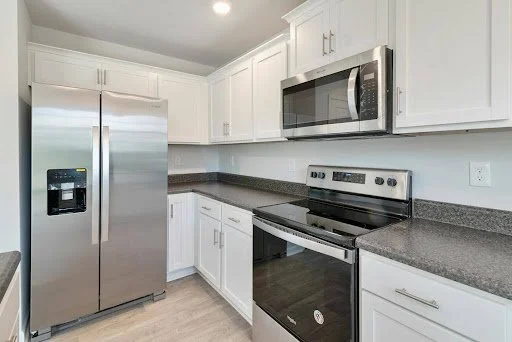
When investing in quartz countertops, choosing the right warranty and care package is just as important as selecting the color and finish.