
The Hidden Costs of Poor Waste Planning (and How to Avoid Them)
PAGE
By PAGE Editor
When businesses and project managers budget for operations, waste disposal rarely earns more than a quick line item. Trash, after all, is supposed to just disappear. But what if that line item is silently draining your profits?
Poor waste planning doesn’t always result in overflowing dumpsters or public health violations—though those happen too. More often, the damage is slow, consistent, and surprisingly expensive. From unnecessary service calls to regulatory fines, bad waste management habits add up fast.
Here’s what’s typically overlooked—and what you can do to prevent waste from becoming a liability instead of a manageable, cost-controlled process.
The Illusion of “Set It and Forget It”
One of the most common waste-related pitfalls is the idea that once a system is in place, it doesn’t need to change. A business selects a container size and service schedule and sticks with it indefinitely, regardless of how operations evolve.
Seasonal demand shifts, staff increases, construction, new product lines—any of these changes can disrupt waste patterns. When the same front end load schedule remains in place for years without review, businesses may be paying for pickups they don’t need or suffering overflow during peak periods.
The solution? Perform periodic audits. Review container usage by season, month, or even week if you operate in high-fluctuation industries. Match container type and pickup frequency to actual waste output, not assumptions.
Misaligned Container Choices
Not all waste containers are created equal, and selecting the wrong type can lead to extra costs that aren’t immediately obvious.
Let’s say a warehouse is using roll off dumpsters for daily packaging waste. While roll offs offer plenty of space, they’re not designed for ongoing, lightweight disposal needs. A compactor or multiple front end load units might provide better compaction, fewer pickups, and less spillage.
On the other hand, a site using front end load containers during a major renovation may find them full within a day. Repeated hauling, overage fees, or the need for emergency pickups could be avoided with a larger-capacity roll off solution planned from the start.
Aligning your container selection with the nature of your waste output—its volume, weight, and frequency—is a core part of avoiding hidden costs.
Labor Time and Workflow Disruptions
When waste disposal isn’t seamless, staff waste time managing the waste itself. Overflowing containers need to be rearranged. Debris that misses bins during loading must be picked up. Missed pickups lead to last-minute scheduling headaches. All of this costs labor hours.
Improperly sized or poorly placed containers may also impact workflow. If roll off dumpsters are placed too far from loading docks, staff spend more time walking waste across the property. If compactors are blocked or in disrepair, workers may resort to piling trash in temporary areas, creating hazards and inefficiencies.
Even the best waste strategy can break down when physical logistics aren’t considered. Be sure that your waste setup integrates into daily routines, minimizes disruptions, and encourages use—not avoidance.
Regulatory Risks and Public Image
Overflowing dumpsters, leaking fluids, and unsecured compactors can result in code violations and environmental fines. Most jurisdictions have clear rules about dumpster placement, pest control, enclosure use, and the types of waste permitted in various containers.
These regulations aren’t just about compliance—they’re about safety and community standards. If your waste strategy doesn't consider these factors, the hidden costs may include inspections, citations, or even public complaints.
And then there’s brand perception. Customers, vendors, and inspectors form impressions based on what they see. A neat, organized waste area suggests a well-run business. A chaotic, smelly alleyway behind your building may do the opposite—whether or not it affects your actual services.
Missed Recycling and Diversion Opportunities
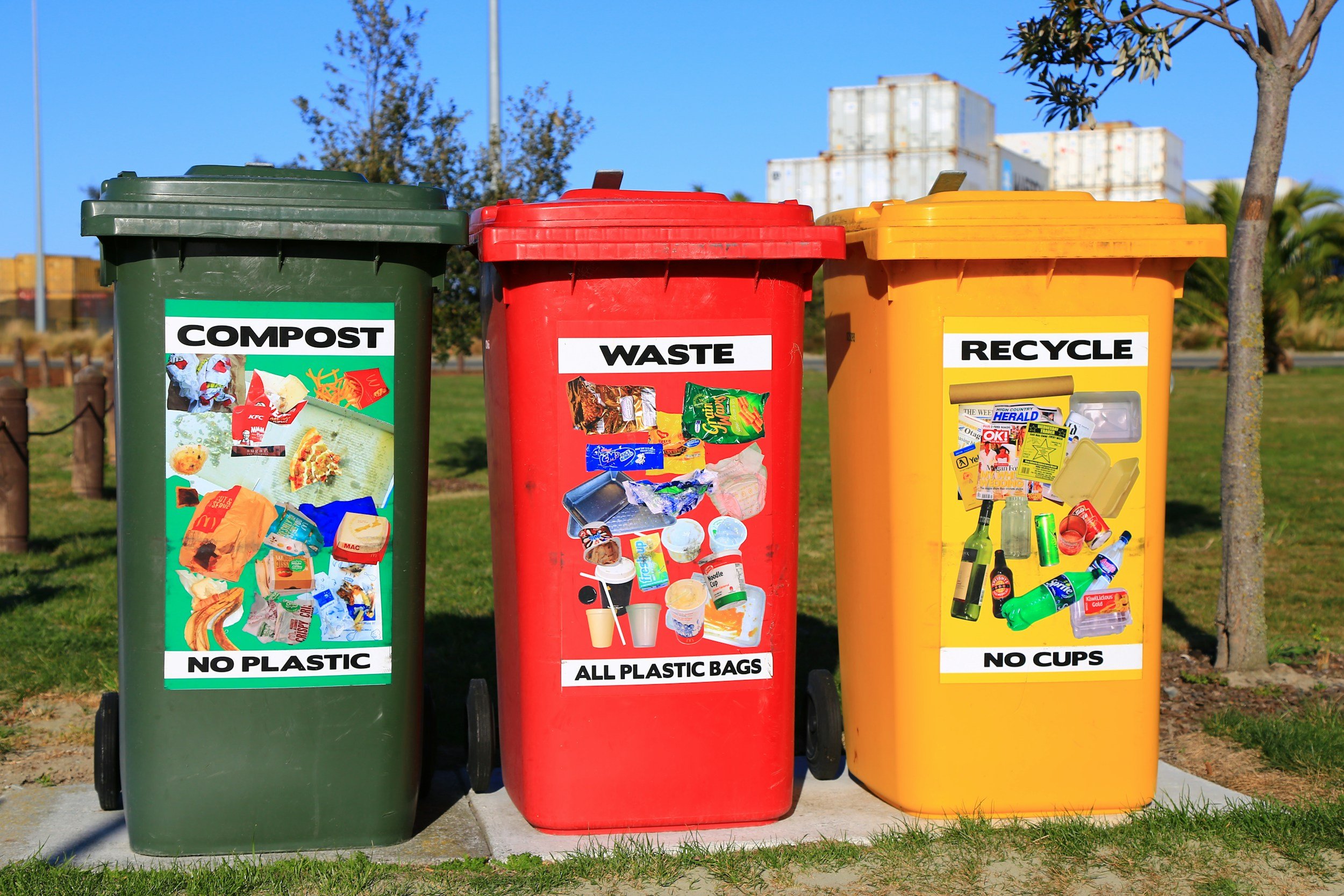
Without proper planning, recyclable or compostable materials often get mixed in with general waste. This not only increases disposal volume and costs but also misses opportunities to participate in waste diversion initiatives that may benefit your business financially or reputationally.
For example, cardboard, which is one of the most common commercial waste materials, is highly compressible and easily recyclable. Businesses that routinely dispose of it in general roll off dumpsters may be overpaying for disposal when a dedicated compactor could streamline collection and reduce haul frequency.
Likewise, separating waste types allows for more flexible pickup schedules. A front end load container for daily trash and a roll off or compactor for special material streams could cut monthly bills and help meet sustainability goals.
Inadequate Planning for Growth
Waste systems that work for a startup rarely scale well for expansion. As businesses grow, waste output increases—and so does the need for more sophisticated collection strategies.
What was once a single front end load dumpster behind a shop may now require multiple containers or a hybrid setup with compactors and roll offs for special events or shipping materials.
Failing to anticipate these needs can result in emergency rentals, temporary fixes, and missed opportunities to negotiate better rates or longer-term contracts that reflect actual usage.
Delta Waste Solutions has worked with businesses in various stages of growth, many of which realized too late that their waste infrastructure was holding back their operations. The good news? Smart adjustments at the right time can deliver long-term gains.
Preventing the Pitfalls: Best Practices for Smarter Waste Management
Avoiding hidden waste costs doesn’t require a complete overhaul. Instead, follow a few key principles to keep systems lean, effective, and adaptable:
Conduct Regular Waste Audits
Review your waste volume, weight, and content at least once per year. Seasonal businesses may need to do this more often.
Match Container Type to Waste Type
Roll off dumpsters for temporary or heavy-duty use, front end load containers for routine pickup, and compactors for high-volume compressible waste.
Don’t “Set and Forget” Pickup Schedules
Adjust frequency based on actual need. You may be able to reduce costs with fewer hauls or improve efficiency by increasing them.
Monitor Labor Impact
Ask your staff about waste workflow. Are containers in convenient locations? Do they cause backups or messes?
Stay Compliant and Clean
Know your local regulations. Maintain enclosures, avoid overfilling, and secure waste areas to prevent fines and maintain community standards.
Plan for Change
Review your waste strategy any time your operation expands, shifts, or begins new processes. Don’t let growth outpace your infrastructure.
Final Thoughts
Waste management is often invisible—until it becomes a problem. But hidden costs don’t need to be part of your monthly reality. With proactive planning, the right mix of containers, and regular evaluation, you can turn waste from a liability into a streamlined, cost-effective aspect of your business.
And while waste removal might not be your passion, it is the expertise of professionals like Delta Waste Solutions, who help clients avoid the common traps and ensure that their disposal strategies support—not hinder—their bottom line.
HOW DO YOU FEEL ABOUT FASHION?
COMMENT OR TAKE OUR PAGE READER SURVEY
Featured




When investing in quartz countertops, choosing the right warranty and care package is just as important as selecting the color and finish.