
The Key Elements of a Strong Personal Injury Claim

PAGE
By PAGE Editor
When you're in a personal injury lawsuit, it might be hard to know what to do to win and cope with all the problems that come up following the event. Fortunately, there are things you can do to make your injury claim stronger. Here are some of them.
Finding negligence
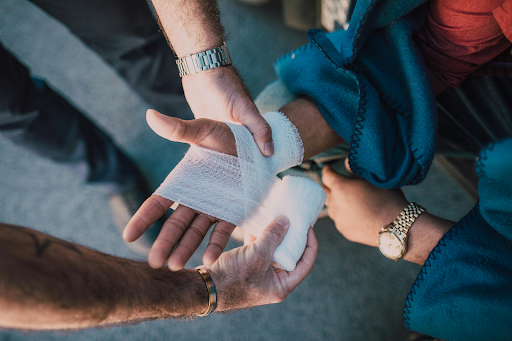
Being able to establish negligence, or that someone else's negligent or reckless acts caused your harm, is the most important part of any solid personal injury claim. To achieve this, you need to make four important points. The person or business you are blaming must have had an obligation to take care of you. Drivers must observe traffic regulations, physicians must provide the right medical care, and companies must make their buildings safe for consumers, for example.
You have to prove that they didn't perform their job, such as running a red light, disregarding a dangerous spill, or making a medical mistake. Then you have to show that their activities were the direct cause of your injuries by linking the failure to them. And you have to show that you were hurt, such as with medical costs, lost income, or pain and suffering. Your argument may not stand up if you don't have clear proof on all four areas.
Hiring a personal injury lawyer
Navigating a personal injury claim on your own can be overwhelming, especially when dealing with insurance companies, legal procedures, and mounting medical bills. That’s where an experienced personal injury lawyer makes all the difference. A skilled attorney knows how to thoroughly investigate your case, gather crucial evidence like medical records and accident reports, and build a strong argument to prove negligence. They handle tough negotiations with insurance adjusters, who often try to minimize payouts, and aren’t afraid to take your case to court if a fair settlement isn’t offered. As folks from the Moore Law personal injury firm in Cincinnati explain, you should never be forced to pay the price for your emotional and physical pain, but rather, it is your right to be fully compensated. From calculating the full extent of your damages to protecting you from legal missteps, having a knowledgeable lawyer by your side significantly increases your chances of securing the compensation you deserve. If you’ve been injured due to someone else’s negligence, consulting an attorney early can help you a lot and change the outcome of your claim.
Collecting evidence
The strongest cases are built on layers of convincing evidence. Start with the basics: medical records that tell the full story of your injuries, not just initial treatment but ongoing therapy too. Official reports like police filings or workplace incident documents create that crucial paper trail.
Footage and photos of the accident scene, security footage if you're lucky, and most importantly, real people willing to say what they saw, like neighbors, coworkers, even experts who can explain how this accident happened, are your best bet. And don't forget the financial paper trail - those pay stubs showing lost wages and receipts for all the little expenses add up fast. The more proof you can stack in your corner, the harder it becomes for insurance companies to brush off what you've been through.
Documenting your damages
After an injury, proving your losses is just as important as proving fault. Strong documentation turns abstract suffering into concrete compensation. Keep every medical bill, prescription receipt, and therapy invoice—these show your out-of-pocket costs. Pay stubs and employer letters verify lost wages, while repair estimates document damaged property. But don't overlook the invisible wounds: a pain journal tracking bad days, therapist notes about anxiety, or family testimony about how your injuries changed daily life all help quantify what money can't automatically fix. The more thoroughly you capture both financial losses and human costs, the stronger your case for full and fair compensation becomes.
Following the deadlines
Time isn't on your side after an injury. Every state sets strict deadlines called statutes of limitations - usually just 2-3 years for most personal injury cases - and once that window closes, you lose your chance to seek justice forever. These timelines vary depending on your case: medical malpractice might have different rules than a car accident, and government claims often require action within mere months.
The clock starts ticking from the moment of injury, not when you realize how serious it is. That's why waiting to consult a lawyer can be disastrous - they'll know exactly how much time you have to build your case before time runs out.

A strong personal injury claim isn't just about paperwork and legal arguments—it's about rebuilding your life after someone else's carelessness turned it upside down. While no amount of money can undo what happened, the right compensation can ease your financial stress and help you move forward. Also, remember that an experienced attorney can be your guide, your advocate, and sometimes your only voice against powerful insurance companies. The sooner you take that first step—gathering evidence, documenting your damages, and understanding your rights—the stronger your path to justice becomes.
HOW DO YOU FEEL ABOUT FASHION?
COMMENT OR TAKE OUR PAGE READER SURVEY
Featured





At LVMH Watch Week in Milan, Hublot sets the tone for 2026 by unveiling a bold lineup that fuses technical mastery, innovative materials, and high-profile collaborations—from the Novak Djokovic GOAT Tourbillon and 20th-anniversary Big Bang Original Unico to Samuel Ross designs, new chromatic explorations, and football-inspired limited editions.