
The Myth of Germans Wearing Lederhosen
PAGE
By PAGE Editor
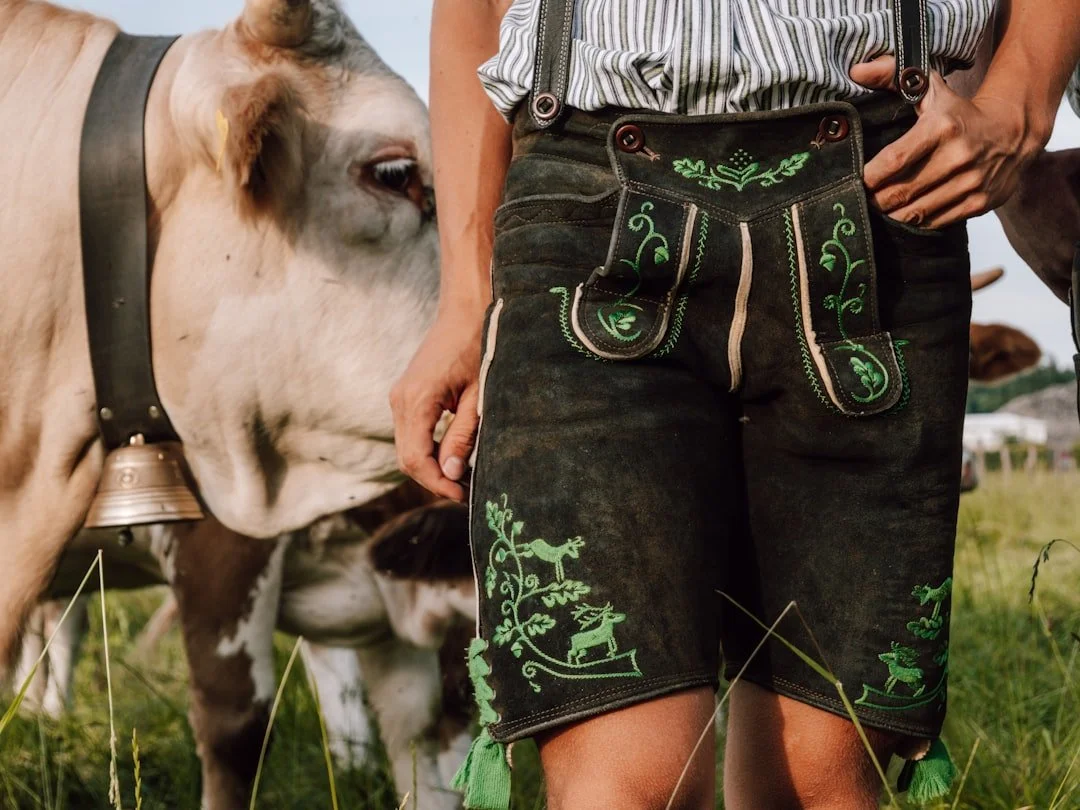
The myth claims that all Germans wear Lederhosen daily which is not true. Lederhosen are a traditional Bavarian clothing item, part of the Tracht tradition. These leather breeches are worn in Bavaria and Alpine regions of Germany for weddings, Oktoberfest, and other folk festivals instead of everyday life. Most Germans never wear Authentic Lederhosen in their whole life. The garment is a cultural symbol, not national clothing.
Global tourism, Oktoberfest marketing, and visual stereotypes collapsed Germany into one Alpine outfit. That visual shortcut created one of the strongest clothing myths in modern European identity.
Do Germans Really Wear Lederhosen Every Day?
Germans do not wear Lederhosen as everyday clothing. The daily German dress code is similar to modern European fashion, such as jeans, suits, sportswear, and streetwear. Lederhosen appear only during special occasions like weddings and folk festivals.
Urban centers like Berlin, Hamburg, Frankfurt, and Cologne rarely display traditional Tracht outside themed festivals. Most residents reserve Lederhosen for Oktoberfest week, weddings, or folk celebrations even in Munich. Sociocultural surveys consistently show that everyday German clothing follows global fashion standards rather than regional costume patterns.
The Origin of the Global Lederhosen Stereotype
Lederhosen originated in the Alpine workforce of southern Germany, not in national culture. Farmers and foresters used leather trousers for durability in rugged terrain. Nineteenth century folk revivals transformed workwear into cultural identity symbols. Bavarian royal patronage strengthened that transformation. International tourism later exported the Bavarian image as a national shortcut.
The beginning of Oktoberfest exported Bavarian imagery as national German identity through tourism, media, and branding repetition. The festival became the most visible German cultural product abroad.
Millions of photographs showing Lederhosen and women’s Dirndl generated a feedback loop of visual recognition. Travel marketing amplified those visuals because they deliver instant cultural identification. International audiences then equated Oktoberfest symbolism with everyday Germany.
Interesting Facts About Lederhosen: Breaking the Myths
Lederhosen functioned as Bavarian Tracht, not German national clothing.
The garment evolved from Alpine workwear into ceremonial heritage wear.
Global tourism transformed a regional identity symbol into an international stereotype.
Lederhosen Are Older Than the German Nation
Lederhosen existed long before modern Germany was formed in 1871. Alpine workers in Bavaria, Tyrol, and Salzburg wore leather trousers for durability and mobility. German national identity developed later through political unification, not through clothing. This directly breaks the myth that Lederhosen represents Germany as a whole.
Kings and Elites Saved Lederhosen From Disappearing
Nineteenth century Bavarian kings promoted Lederhosen as cultural preservation during industrialization. Leather work trousers would have disappeared like many rural garments without the royal support. This revival transformed labor clothing into prestige heritage wear. The myth hides this elite driven reinvention.
Real Lederhosen are Heirlooms, Not Party Costumes
Authentic Lederhosen use deer or goat leather and survive for decades. Bavarian families often pass one pair through generations. Tourist versions use thin synthetic leather and last only a few seasons. The global stereotype comes almost entirely from low-quality festival replicas, not real Tracht.
Most Oktoberfest Lederhosen Are Rented, Not Owned
Large portions of Oktoberfest visitors rent Lederhosen for the event. Ownership remains concentrated in Bavarian households and folk associations. Tourists create the visual illusion of universal ownership. The myth spreads because cameras capture rental crowds, not daily reality.
Germans Outside Bavaria Rarely Wear Lederhosen
Northern and western Germans may never wear Lederhosen in their lifetime. Regional identity in Hamburg connects to maritime heritage. The identity in Cologne connects to the Rhineland Carnival. Lederhosen feel culturally foreign in these regions. The myth erases internal German diversity.
Dirndl and Lederhosen Were Never National Uniforms
Germany never adopted a national dress code like Japan or Korea. Tracht remained regional across all federal states. Black Forest hats, Sorbian embroidery, and Rhine ceremonial wear existed alongside Bavarian Tracht. The myth falsely assumes one national costume ever existed.
Tourism Turned Lederhosen Into a Global Brand
Postwar tourism transformed Lederhosen into a marketing asset. Beer advertising, Oktoberfest exports, and alpine imagery created an instantly recognizable German symbol. Branding logic favored visibility over accuracy. The myth survives because branding explains faster than geography.
When Germans Actually Wear Lederhosen?
Germans wear Lederhosen during festivals like Oktoberfest, weddings, parades, and folk celebrations. Oktoberfest concentrates thousands of traditional outfits into a single urban space. Street photos from that period distort international perception. Office districts revert to business casual once tents disappear.
Urban Germans rarely own traditional clothing. Rental shops near festival zones supply temporary demand. Price, storage, and limited use prevent mass ownership. High quality leather pairs cost several hundred euros and require tailoring. Daily utility ended centuries ago.
How Germans Outside Bavaria React to Lederhosen Stereotypes?
Many non-Bavarian Germans view Lederhosen stereotypes as inaccurate but harmless. The garment feels culturally foreign to northern and western communities.
Residents in Hamburg or Hanover associate regional identity with maritime culture rather than Alpine folklore. The social distance mirrors how Texans treat cowboy boots as local heritage rather than a national uniform. Germans understand that one regional tradition cannot represent the entire federation.
What the Lederhosen Myth Says About Cultural Shortcuts
The Lederhosen myth reveals how international audiences simplify complex national identities into single images. Germany became visually compressed into Alpine beer culture.
Such shortcuts occur globally. France condenses into berets. Scotland condenses into kilts. Germany condenses into Lederhosen. Symbolic reduction simplifies memory while flattening reality.
Final Thoughts
Germans do not wear Lederhosen as daily national clothing. Lederhosen belong to Bavarian Tracht, worn at festivals, weddings, and heritage events. The garment evolved from Alpine workwear into ceremonial identity apparel. Most Germans never own one. Outside Bavaria, the garment feels as foreign as any regional costume.
The myth survives through visual repetition, tourism branding, and cultural compression. The reality reveals a nation of regional diversity where one local tradition gained global spotlight and absorbed national misinterpretation.
HOW DO YOU FEEL ABOUT FASHION?
COMMENT OR TAKE OUR PAGE READER SURVEY
Featured





Jewelry has always held a unique place in human culture, representing more than mere decoration.