
The Power of Limited Drops: Creating Hype with Micro-Batch Production
PAGE
By PAGE Editor
In today’s creator-driven economy, exclusivity sells. People crave products that feel personal, rare, and thoughtfully made, not mass-produced goods that flood the market. This shift in consumer preference has led to the rise of limited drops, short-run, high-demand product releases that sell out fast and generate excitement with every new collection.
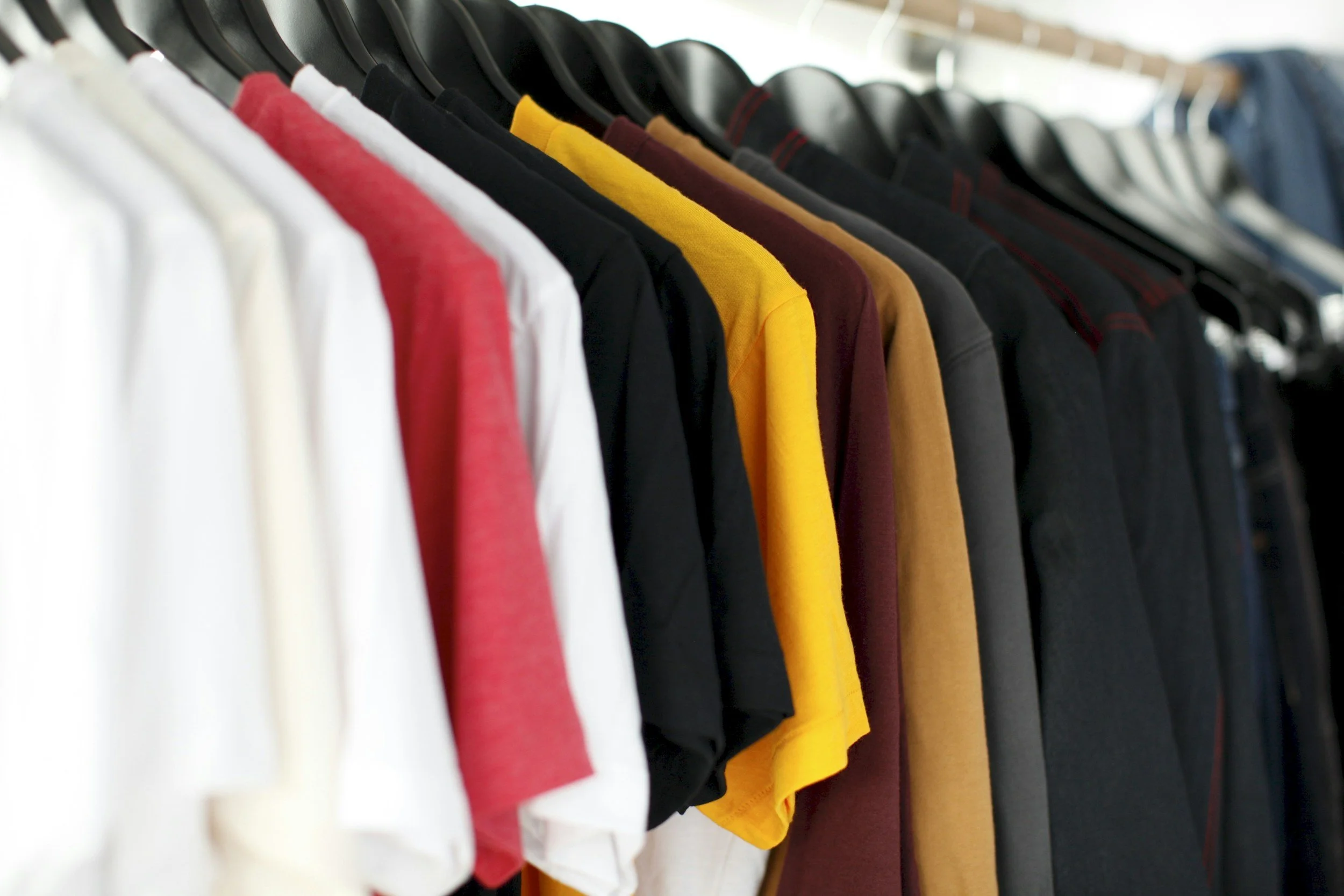
For makers and small brands, success in this model depends on flexible production tools that make small-batch creation affordable and efficient. The DTF printing technique plays a central role in this transformation, giving creators the ability to produce short runs with professional quality and minimal setup time.
The Rise of Limited Drops
Limited drops have become one of the most effective ways to engage audiences and build brand identity. The idea originated in fashion and streetwear but now extends to art, home décor, and custom merchandise.
Instead of mass-producing hundreds of identical items, creators release a few dozen carefully crafted pieces—each with its own story or theme. This approach turns product releases into events, generating anticipation and loyalty.
The psychology is simple: when people know a product will be available only for a short time, they act quickly. This sense of urgency, combined with creative storytelling, drives engagement far more effectively than constant discounts or generic advertising.
How the DTF Printing Technique Enables Agility
The DTF printing technique (Direct-to-Film printing) allows designs to be printed on a special transfer film and applied to different fabrics using heat and pressure. Unlike older printing methods, it eliminates costly setup steps and enables high-quality output even for very small runs.
Traditional printing methods—like screen printing—require setup fees, long preparation times, and bulk orders to stay cost-efficient. With DTF printing, you can produce only what’s needed, when it’s needed. This makes it a logical choice for creators running frequent, limited drops.
By reducing upfront costs, DTF printing encourages experimentation. A creator can test multiple designs, release a micro-collection, and adapt quickly based on real customer feedback—all without committing to large inventories or external manufacturers.
Speed, Flexibility, and Creative Freedom
In a world where design trends shift overnight, speed matters. DTF printing gives small businesses and artists the ability to respond quickly to seasonal moments, cultural trends, or viral opportunities.
Creators can print new designs for a pop-up event, personalize merchandise for collaborations, or introduce themed collections in just days rather than weeks. Because the process supports both one-off and repeatable production, it’s ideal for testing market interest before scaling up.
This flexibility also minimizes risk. Instead of overproducing, creators can release just enough items to meet demand, then restock based on sales performance. It’s an agile, data-driven approach that replaces guesswork with real-world insights.
Building Exclusivity Through Micro-Batch Production
Micro-batch production is about more than just efficiency—it’s about storytelling. Each drop can represent a new idea, collaboration, or milestone. Because quantities are limited, buyers feel a stronger emotional connection to the product and the creator behind it.
By combining micro-batch production with the DTF printing technique, creators can maintain that exclusivity consistently. They can introduce fresh designs every few weeks without overextending resources, keeping the brand dynamic and engaging.
This cycle of anticipation and renewal builds community. Loyal customers begin to look forward to each release, often spreading the word organically. Over time, this creates not just a sales model but a fan base that aligns with the brand’s values and creative energy.
Sustainability and Smart Economics
The appeal of small-batch production extends beyond marketing—it’s also environmentally and economically responsible. Producing limited quantities prevents overstock and reduces material waste. Because DTF printing enables on-demand creation, nothing is made until there’s actual demand.
For small studios and home-based entrepreneurs, this model lowers financial barriers while maintaining professional quality. The result is a business that balances profit with sustainability—two goals that once seemed at odds in traditional manufacturing.
The Future of Creative Commerce
The modern marketplace rewards originality, adaptability, and authenticity. Consumers are drawn to creators who can express ideas quickly and meaningfully. The DTF printing technique empowers small brands to do exactly that—turning creative concepts into tangible, high-quality products without industrial-scale infrastructure.
This democratization of production has changed the rules. Limited drops are no longer reserved for major brands; they’re now accessible to independent artists, makers, and entrepreneurs with vision and initiative.
By embracing small-scale production and on-demand printing, creators gain full control over quality, timing, and storytelling—key elements for thriving in the evolving world of creative commerce.
Final Thoughts
Limited drops and micro-batch production reflect a deeper shift in how products are designed and shared. They favor authenticity over volume, creativity over conformity, and engagement over mass marketing.
The DTF printing technique is a natural fit for this evolution. It allows creators to stay nimble, produce on demand, and maintain consistent quality across short runs.
In an era defined by fast trends and high expectations, success belongs to those who can adapt quickly while staying true to their craft. Small-scale, flexible production isn’t just a method—it’s the foundation of a more creative, sustainable, and connected future for makers everywhere.
HOW DO YOU FEEL ABOUT FASHION?
COMMENT OR TAKE OUR PAGE READER SURVEY
Featured




When investing in quartz countertops, choosing the right warranty and care package is just as important as selecting the color and finish.