
The Role of Physical Therapy in Workers Comp Rehabilitation
PAGE
By PAGE Editor
Why Physical Therapy Matters in Recovery
When someone is injured on the job, the goal is to help them heal, restore their mobility, and get back to work safely. Physical therapy plays a major role in that process. For many employees, it becomes the foundation of their entire workers comp rehabilitation plan. It offers a structured and personalized path toward recovery, giving injured workers the treatment they need to regain strength, reduce pain, and return to their daily routine with confidence.
Understanding the Purpose of Physical Therapy
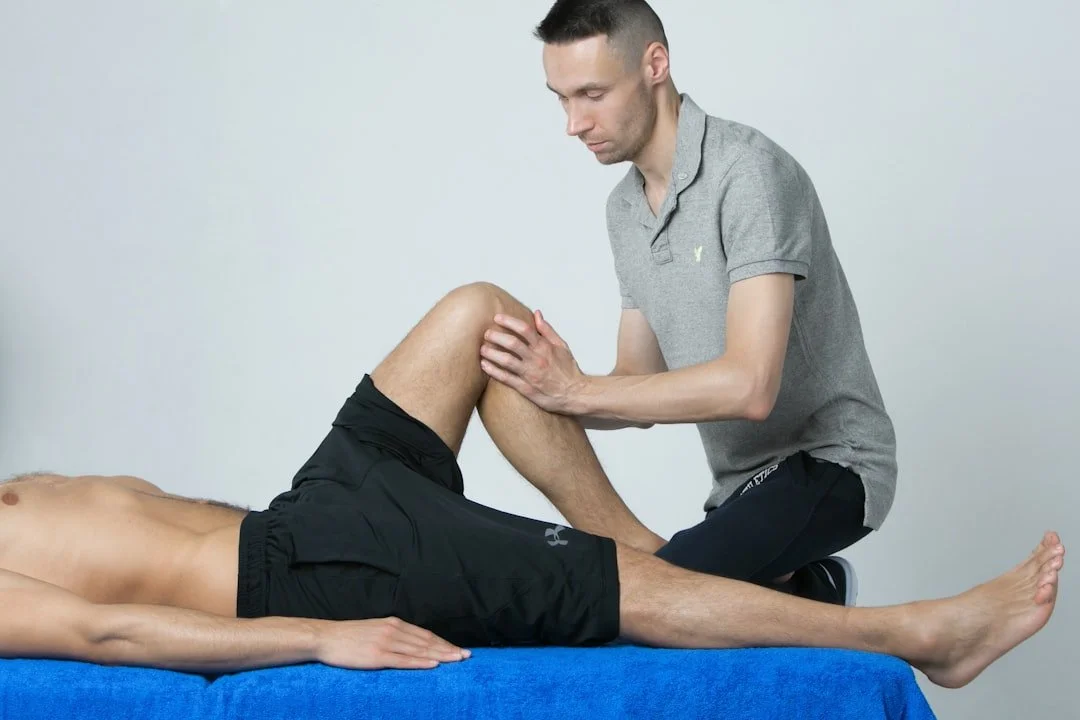
Physical therapy is far more than a list of exercises. It is a personalized approach to rebuilding the body after injury. Workplace injuries can range from sudden accidents to repetitive strain issues. Because every situation is different, a physical therapist first performs a detailed evaluation. They assess mobility, strength, pain levels, and functional limitations. This evaluation forms the basis of a custom treatment plan tailored to the physical demands of the worker’s job.
The Power of Early Intervention
One clear advantage of integrating physical therapy into workers comp rehabilitation is early intervention. Starting therapy quickly after an injury can significantly improve outcomes. Early treatment helps reduce inflammation, prevent stiffness, avoid poor movement habits, and speed up healing. It also helps ease the stress and uncertainty that often follows an injury by giving the worker direction and reassurance.
Pain Management Through Natural Healing
Pain is one of the most common challenges after a workplace injury. Rather than relying entirely on medication, physical therapists use natural methods to help the body heal. These techniques may include manual therapy, stretching, joint mobilization, heat or ice therapy, and electrical stimulation. Each method targets inflammation, stiffness, and discomfort. By addressing pain through therapeutic approaches, workers often experience more sustainable relief throughout their workers comp rehabilitation process.
Strengthening and Conditioning for Long-Term Recovery
Injuries often lead to weakness in the affected area because it has not been used normally. Without proper strengthening, the risk of reinjury remains high. Physical therapists guide workers through exercises designed to rebuild strength, increase flexibility, and improve stability. These exercises support balanced movement and restore confidence. Stronger muscles and better coordination help injured workers return to their responsibilities safely.
Functional Training and Job-Specific Movements
A major benefit of physical therapy in workers comp rehabilitation is functional training. This type of therapy focuses on preparing the injured worker for the specific tasks required by their job. A construction worker may practice lifting and climbing. An office employee may learn posture corrections and improve repetitive motion patterns. These exercises simulate real work scenarios so workers can return with the strength and confidence needed to perform job duties safely.
Communication Between Providers and Employers
Successful workers' comp rehabilitation requires clear communication. Physical therapists routinely coordinate with doctors, case managers, employers, and insurance representatives. They document progress and provide updates on what the injured worker is ready to do. This cooperation ensures that all decisions are based on accurate medical information and that the return to work plan is safe and realistic.
Work Conditioning and Work Hardening Programs
In some cases, physical therapy is paired with work conditioning or work hardening. These programs take recovery a step further by building endurance, improving strength, and training job specific movements in more advanced detail. Work hardening often includes simulations of real tasks to prepare the worker both physically and mentally for returning to full duty. These structured programs are especially valuable for workers in physically demanding roles.
Preventing Future Injuries
Physical therapy does more than help workers recover. It also teaches them how to protect themselves from future injuries. This may include training on safe lifting techniques, proper posture, body mechanics, and ergonomic adjustments. These lessons promote long term health and help create safer workplaces.
Physical Therapy as the Foundation of Workers Comp Rehabilitation
Physical therapy provides structure, support, and expertise throughout the entire recovery process. It guides injured workers from the first stages of healing to the moment they are ready to return to work. With personalized care, evidence-based techniques, and consistent communication, physical therapy strengthens the body and encourages long-lasting wellness.
For many people, physical therapy is not just a part of workers comp rehabilitation. It is the key to healing, rebuilding strength, and returning to work with confidence and safety.
HOW DO YOU FEEL ABOUT FASHION?
COMMENT OR TAKE OUR PAGE READER SURVEY
Featured





At LVMH Watch Week in Milan, Hublot sets the tone for 2026 by unveiling a bold lineup that fuses technical mastery, innovative materials, and high-profile collaborations—from the Novak Djokovic GOAT Tourbillon and 20th-anniversary Big Bang Original Unico to Samuel Ross designs, new chromatic explorations, and football-inspired limited editions.