
The Role of Street Design in Salt Lake’s Rising Crash Rates
PAGE
By PAGE Editor
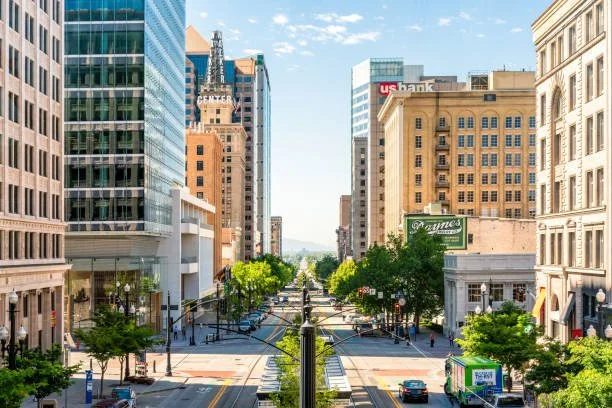
Salt Lake City’s streets are becoming increasingly treacherous. Local drivers do not need to look far to see it, as collisions are a near-daily occurrence at many major intersections. While distracted driving, speeding, and weather play a role, there is another, less talked-about culprit called poor street design. If you have ever found yourself stuck at a confusing junction or at an erratic lane merge, you have experienced it firsthand. In fact, the most dangerous road intersections in Salt Lake City often share one common trait: they were not built with modern traffic patterns in mind. Let us take a closer look at how street design is quietly shaping crash statistics in Salt Lake City and what can be done to improve safety.
What Is Wrong With Salt Lake’s Street Design?
Salt Lake City is growing fast, but many of its roads were designed decades ago, long before the current surge in traffic volume, rideshares, and increased pedestrian and cyclist activity. Below are a few of the key design flaws contributing to increased collisions:
1. Wide, Multi-Lane Arterials
Streets like Redwood Road and State Street span five to seven lanes in some areas. These wide roadways may allow for greater vehicle capacity, but they also encourage speeding and reduce visibility for drivers turning across traffic. Pedestrians, especially those with mobility limitations, often struggle to cross safely.
2. Poorly Timed Traffic Signals
Some of the city's worst intersections, including 4100 South and Redwood Road suffer from poorly synchronized lights and short left-turn signals. This leads to hurried decisions and red-light running, both of which are major crash factors.
3. Lack of Protected Turn Lanes
Drivers have to make risky left-hand turns across multiple lanes of traffic without the help of protected turn lanes or signals. This is especially problematic at intersections like 4500 South and State Street, where crash data consistently shows a high volume of side-impact and turning collisions.
4. Confusing Lane Merges and Off-Ramps
Roadways such as I-15 are notorious for sudden lane merges, high-speed off-ramps, and short exit lanes. These features increase the risk of rear-end crashes and leave little room for error, especially during peak traffic hours.
How Dangerous Are Salt Lake City’s Roads?
In 2023 alone, Salt Lake City recorded:
4,327 total crashes
21 traffic fatalities
Over 2,100 injury-related accidents
Intersections like 7800 South and 700 East and 3300 South and State Street consistently rank among the city’s most hazardous, particularly for pedestrians. When the road design lacks designated crosswalks or forces pedestrians to cross multiple lanes without protection, the chances of serious injury skyrocket.
The Human Cost of Poor Planning
Behind every crash statistic is a real person, someone who may be facing physical pain, financial stress, and emotional trauma. Poor street design does not just cause fender-benders, it results in catastrophic injuries, missed work, expensive medical bills, and even fatalities.
What Can Be Done to Improve Street Safety?
The good news is that safer design is possible. Urban planners and traffic engineers have long advocated for "complete streets", roadways that prioritize all users, not just drivers. Some solutions include:
Adding protected bike lanes and pedestrian refuge islands
Installing longer and more visible crosswalks
Replacing unprotected intersections with roundabouts or protected signal phases
Reducing lane widths to calm traffic
Improving signage and lane striping visibility
Salt Lake City has already implemented some of these strategies in targeted areas, but broader changes are needed to reduce the overall crash rate.
Conclusion
When we talk about traffic safety, it is easy to point fingers at bad drivers, but we cannot ignore the role of the environment they are driving in. Street design is a silent but powerful force shaping our roads, and in Salt Lake City, it is long overdue for a redesign. Safer streets save lives. And when planners, officials, and residents work together, we can turn the most dangerous road intersections into safer, more efficient pathways for everyone.
If you or a loved one has been injured at a dangerous intersection, understanding your legal rights and seeking compensation may be a critical step toward recovery.
HOW DO YOU FEEL ABOUT FASHION?
COMMENT OR TAKE OUR PAGE READER SURVEY
Featured
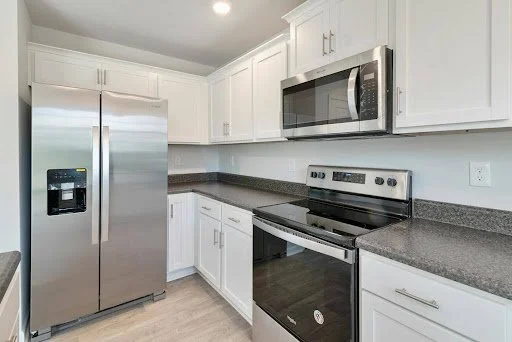


When investing in quartz countertops, choosing the right warranty and care package is just as important as selecting the color and finish.