
The Unseen Invaders: Top 5 Entry Points Pests Use & How to Seal Them
PAGE
By PAGE Editor
Pests are masters of infiltration, slipping into homes through the smallest cracks and least expected gaps.
While you might be vigilant about cleanliness, the real battle against unwanted critters is won by fortifying your home’s defenses.
Alongside an expert Fort Worth Exterminator, here are the top 5 entry points pests exploit, and practical steps to seal them for good.
Windows
Windows are a favorite entryway for flying insects, spiders, rodents, and even snakes.
Open windows without screens are an open invitation, but even closed windows with damaged or missing screens or gaps around the frame can be exploited by pests.
Why Windows Are Vulnerable:
Open or poorly screened windows: Without a proper screen, flying insects have free rein.
Damaged or torn screens: Holes as small as 1/16 inch can allow mosquitoes and other pests inside.
Gaps around the window frame: Over time, weather can cause caulking and seals to crack or shrink, creating tiny openings.
How to Seal:
Install or repair window screens, make sure they fit snugly and have no tears.
Use caulk to seal any gaps between the window frame and the wall.
Replace worn or missing weatherstripping to eliminate tiny entry points.
By ensuring your windows are well-sealed and screens are intact, you dramatically reduce the chances of pests finding their way inside.
A little maintenance goes a long way in keeping your home pest-free.
Doors
Doors, especially those with gaps underneath or around the frame, are common access points for pests of all sizes.
Sliding doors are especially vulnerable due to their design.
Why Doors Are Vulnerable
Gaps under doors: Many exterior doors have a gap underneath that can be large enough for pests to squeeze through.
Worn or missing weatherstripping: Without proper sealing, doors allow both pests and drafts inside.
Sliding doors: These often have gaps along the tracks or between panels that pests can exploit.
How to Seal:
Install door sweeps along the bottom of exterior doors to prevent drafts.
Apply weatherstripping around the door frame.
Ensure doors close tightly and repair any damaged thresholds.
Simple upgrades like door sweeps and weatherstripping can make a world of difference.
Sealing doors not only blocks pests but also helps with insulation and energy savings.
Cracks and Gaps in Walls
Small cracks in your home’s foundation, siding, or walls may seem insignificant, but they are gateways for ants, spiders, rodents, and more.
Pests can squeeze through surprisingly tiny openings.
Why Walls Are Vulnerable
Foundation cracks: Shifts in the soil or settling can cause cracks in the foundation, creating easy access points.
Gaps around siding or trim: Improperly installed or aging siding can separate from the wall, leaving gaps.
Utility penetrations: Holes where cables, pipes, or wires enter can create openings if not properly sealed.
How to Seal:
Use high-quality exterior caulk to fill in small cracks and gaps.
For larger holes, stuff with steel wool or wire mesh before sealing with expanding foam or caulk.
Inspect and repair any structural damage promptly to prevent further vulnerability.
Don’t underestimate the determination of pests! Regularly inspecting and sealing cracks in your walls will keep out unwanted guests and help maintain your home’s structural health.
Pipes and Utility Lines
Wherever pipes, cables, or utility lines enter your home, there’s potential for pests to sneak in.
These areas are often overlooked but can be major highways for insects and rodents.
Why Pipes and Utility Lines Are Vulnerable
Gaps around penetrations: The space between pipes or cables and the wall is often larger than it appears to be.
Flexible materials: Some types of insulation or sealants degrade over time, creating new gaps.
Multiple entry points: Utility lines often run through multiple walls or floors, increasing the number of potential access points.
How to Seal:
Fill gaps around pipes and utility penetrations with caulk or expanding foam.
Use steel wool for larger gaps, as rodents can’t chew through it.
Install covers or escutcheon plates to block access.
Taking the time to seal gaps around pipes and utility lines closes off hidden highways that pests use to enter your home.
This small effort can prevent big problems down the line.
Vents and Chimneys
Vents (attic, dryer, HVAC) and chimneys provide direct access to your home’s interior. Birds, rodents, and insects can easily enter if these are left unprotected.
Why Vents and Chimneys Are Vulnerable
Open vents: Dryer vents, attic vents, and HVAC vents often lack proper screening.
Chimney openings: Without caps or screens, chimneys can become nesting sites for birds or entry points for rodents.
Damaged or missing mesh: Wire mesh or hardware cloth can deteriorate over time, creating gaps.
How to Seal:
Install wire mesh or hardware cloth with small openings (under 1/4 inch) over vents and chimneys.
Regularly inspect and maintain these barriers to ensure they remain intact and effective.
Installing mesh barriers over vents and chimneys is a simple yet highly effective way to keep out birds, rodents, and insects.
Regular checks ensure these defenses stay strong year-round.
Seal the Gaps, Secure Your Peace of Mind
Taking proactive steps to seal these common entry points is the most effective way to keep pests away.
By making simple seasonal checks and quick fixes part of your routine, you'll build a powerful barrier against pests before they become a problem, making sure your home stays cleaner, more comfortable, and truly your own peaceful sanctuary.
Don’t let pests catch you off guard. Start sealing today and reclaim your home from the unseen invaders!
HOW DO YOU FEEL ABOUT FASHION?
COMMENT OR TAKE OUR PAGE READER SURVEY
Featured


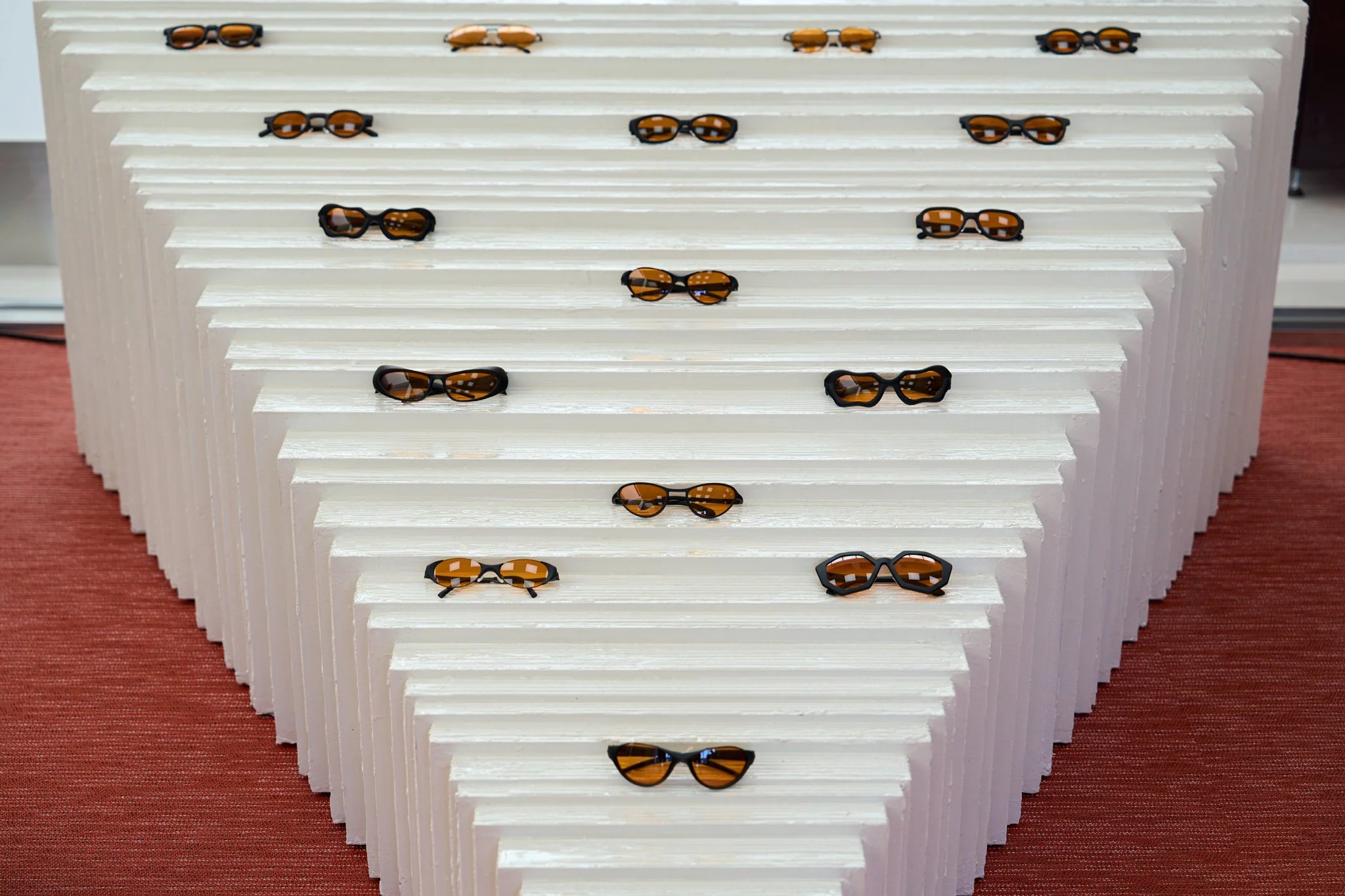


adidas’ SoHo flagship and SS26 Creative Class reposition retail as a living cultural platform, investing in New York’s creative communities to drive sustained relevance beyond product.