
The Unsung Hero of Home Comfort: What a Plumber Sees Behind the Walls
PAGE
By PAGE Editor
Most people think about plumbing only when something goes wrong. A clogged drain, a dripping faucet, or a sudden lack of hot water is usually the first time homeowners consider calling plumbers Orlando. But what lies behind the drywall and under the flooring is far more complex—and far more important—than most realize.
Behind every functioning kitchen, bathroom, and laundry room is an intricate network of pipes, valves, tanks, and connections. When these systems operate correctly, they go unnoticed. When they don’t, they can bring daily routines to a sudden halt. What many homeowners don’t understand is that much of a plumber’s job isn’t just repair—it’s prevention.
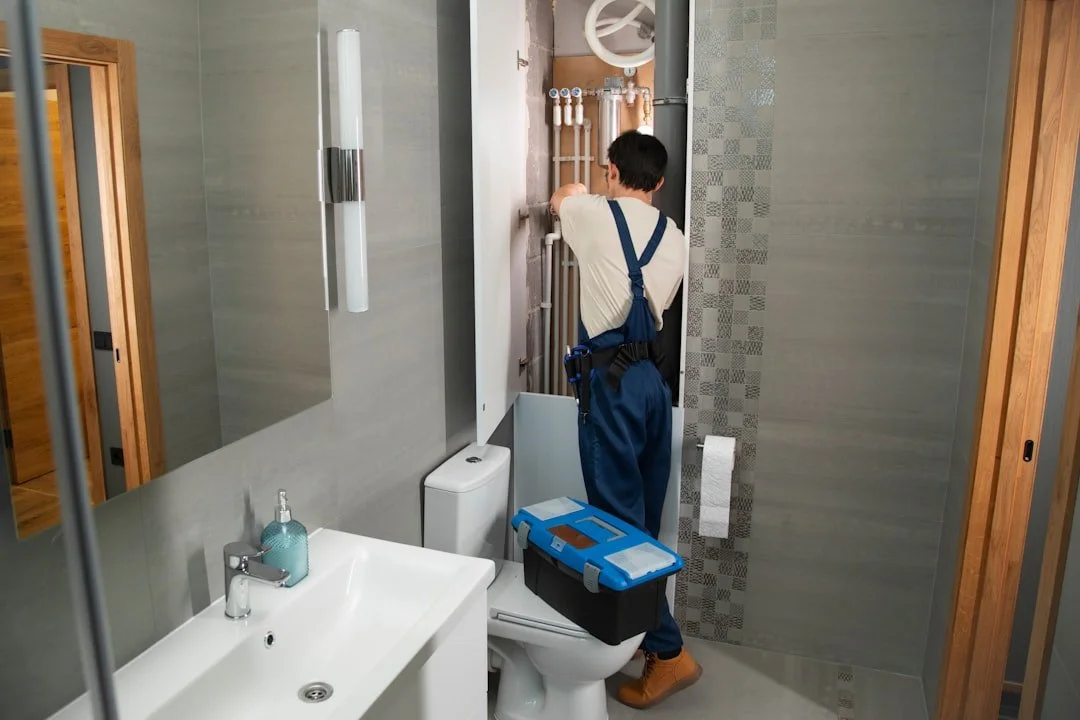
Let’s take a behind-the-scenes look at what a plumber actually sees—and the hidden signs that reveal more serious issues lurking out of sight.
The Subtle Signs of Bigger Problems
To the untrained eye, a small rust stain on a pipe might seem harmless. But to an experienced professional, it’s a flashing warning light. That small stain could mean water has been slowly leaking from a joint, encouraging corrosion or even mold behind the walls.
Discoloration on the ceiling below a bathroom, bubbling paint near a baseboard, or even unusually high water bills can all point to issues that haven't yet surfaced in obvious ways. It’s these subtle cues that prompt a plumber to investigate deeper—and often find early signs of failure.
For instance, a pipe joint hidden behind tile may be loosening due to poor installation or fluctuating water pressure. If caught early, this could be resolved easily. Left unchecked, it might eventually require emergency plumbing intervention to prevent flooding or structural damage.
More Than Just Pipes: Venting and Pressure Matters
Plumbing isn't only about moving water. It’s also about managing air and pressure within a closed system. Improper venting can lead to slow drains, sewer gas odors, and even backed-up toilets. Meanwhile, poor pressure regulation may damage appliances, shorten the life of fixtures, and lead to sudden pipe bursts.
Toilet installation is one area where this issue frequently arises. If not vented correctly or installed on level flooring, toilets may rock, leak at the base, or create suction that pulls water from other drains. A minor installation flaw might not show symptoms right away but can cause long-term wear on seals and connections.
This is why working with a skilled plumber is so important—especially for what seems like simple jobs. The experience to see how one small misalignment affects the whole system is what separates patchwork fixes from long-term solutions.
Hot Water, Cold Realities
Water heaters are another frequent point of concern. What many homeowners don’t realize is that these systems degrade silently. Over time, mineral sediment builds up in the bottom of the tank, reducing efficiency and creating uneven heating. This not only shortens the system’s life but also leads to higher energy costs.
When considering water heater installation or a full water heater replacement, one of the most overlooked factors is matching the unit to household usage. A plumber doesn’t just install a tank—they assess your household size, habits, and future needs. Choosing the wrong capacity or energy source can result in constant inconvenience or unnecessary spending.
In households where hot water use has grown—due to larger families or the addition of laundry or bathroom fixtures—upgrading becomes more than a luxury. It becomes a necessity. A water heater that struggles to meet demand can burn out faster or leave users without consistent supply.
Emergencies That Start Quietly
Most plumbing emergencies don’t begin as disasters. They build slowly, invisibly, and often without warning. A tiny drip under a cabinet may seem minor—until mold appears. A sluggish drain may seem like a clog—until raw sewage backs up into the shower. These are the moments when an emergency plumber becomes indispensable.
But many of these issues could be prevented with proactive inspections and system checks. A plumber who sees the whole picture can identify problem areas before they escalate. This includes checking outdated galvanized piping, inspecting shut-off valves, and ensuring backflow prevention devices are working.
The Importance of Plumbing Codes and Permits
Another aspect homeowners rarely think about is the legal side of plumbing work. Local codes govern everything from pipe materials to installation methods and vent spacing. Failing to follow these codes can lead to fines, delays, or failed home sales during inspection.
Even something that seems simple—like moving a toilet or adding a second sink—can trigger permit requirements. A plumber is not only trained to do the physical work, but also to navigate compliance. This protects the homeowner in both the short and long term.
Professionals like those at Benjamin Franklin Plumbing work within these codes and understand the implications of seemingly minor decisions. That level of detail matters—not just for peace of mind, but for the integrity of your home.
How Modern Homes Complicate Plumbing Systems
Newer homes often feature more complex plumbing networks than older ones. Multiple bathrooms, second-floor laundry rooms, tankless water heaters, and smart appliances all require thoughtful design. These systems are tightly integrated and must be balanced to work efficiently.
Even advanced technologies like leak detectors, pressure sensors, and programmable thermostats depend on proper installation to function correctly. A misconfigured system might offer the appearance of safety while silently degrading from within.
This is especially true for high-efficiency systems where water flow is tightly controlled. Without the right experience, DIY efforts or low-cost installations can create complications that are hard to detect but expensive to repair.
What to Do Before You Need an Emergency Plumber
No one wants to make a plumbing decision in a moment of crisis. But that’s exactly when most people do. To avoid this, it’s smart to establish a relationship with a reliable local plumber ahead of time.
Schedule a general inspection every few years, especially in older homes. Ask questions about your system’s pressure levels, venting, and hidden components. Knowing what’s in place now helps you make faster, better decisions when something goes wrong.
Final Thoughts
Plumbing is one of the least visible but most essential systems in your home. It moves clean water in and waste water out, supports comfort, sanitation, and energy efficiency. And when something breaks, the disruption is immediate.
Working with a licensed plumber isn’t just about fixing problems—it’s about gaining access to the kind of insight that prevents them. Whether it’s a water heater replacement, a new toilet installation, or identifying hidden leaks, a skilled professional sees what most homeowners can’t.
And that’s what makes all the difference.
HOW DO YOU FEEL ABOUT FASHION?
COMMENT OR TAKE OUR PAGE READER SURVEY
Featured





You spend two hundred, three hundred, sometimes five hundred dollars on a perfume from a famous luxury brand.