
Top Uses of Lateral Flow Cassettes in Medical Diagnostics
PAGE
By PAGE Editor
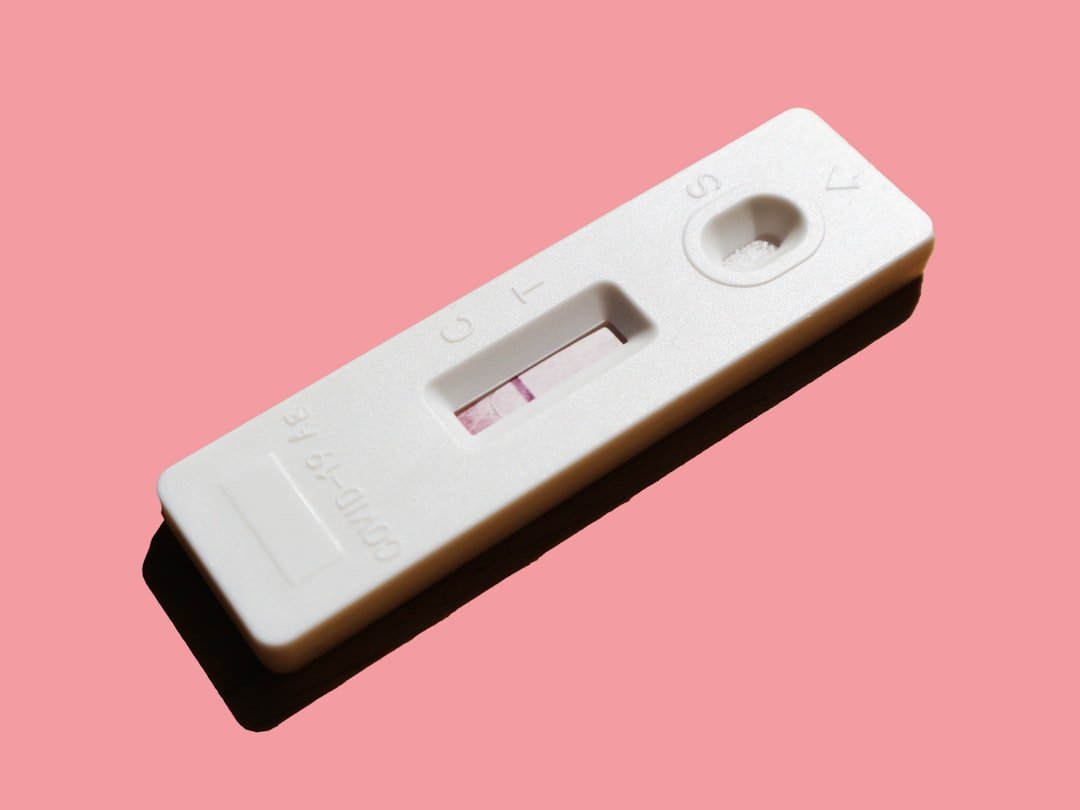
Lateral flow cassettes have emerged as essential tools for use in clinical diagnostics in recent years. Such portable, user-friendly devices allow for quick and accurate results without requiring bulky lab equipment. Lateral Flow Cassette technology has revolutionized the healthcare professional's ability to diagnose and treat their patient's needs, from the detection of infections to monitoring hormone levels.
In this blog, we’re going to take a look at the main uses of lateral flow cassettes in healthcare, how they work, the biggest sectors that they serve, and why they’re such an essential tool in the arsenal of modern medicine.
What Are Lateral Flow Cassettes?
Lateral Flow Immunoassay Cassettes (LFICs) are a type of point-of-care diagnostic device that provides rapid results by detecting whether a target analyte exists in a liquid body, such as blood, urine, saliva, or nasal secretion. They function via immunochromatography, where specific antibodies or antigens interact with the target analyte to create a visual response, typically a colored line on a strip.
Lateral flow cassettes are simple to use, inexpensive, and do not require electricity or laboratory facilities, making them widespread in settings with limited resources.
Uses of Lateral Flow Cassettes in Healthcare
Infectious Disease Testing
One of the most common uses for lateral flow cassettes is in the diagnosis of infectious diseases. Such tests can identify pathogens, including viruses, bacteria, and parasites, in minutes.
COVID-19
Lateral flow cassettes were widely used for rapid antigen testing during the COVID-19 pandemic. These tests allowed for mass screening at airports, schools, workplaces, and homes. They could be self-administered with results available in 15–30 minutes.
HIV and Hepatitis
Lateral flow cassettes are regularly used for screening the presence of HIV and hepatitis B and C. In isolated or low-resource settings, they provide an opportunity for healthcare staff to identify infections early and offer timely treatment.
Malaria
In parts of the world with endemic malaria, lateral flow cassettes are essential for rapid detection. They help differentiate between strains and allow for timely treatment, which is key to saving lives.
Pregnancy and Fertility Testing
A major application of lateral flow cassettes is reproductive health, particularly pregnancy tests. These tests detect the hormone hCG (human chorionic gonadotropin) in urine to determine if a woman is pregnant.
In addition to pregnancy testing, lateral flow cassettes are used to track ovulatory cycles by detecting LH (luteinizing hormone). These tests assist women in monitoring their fertility and planning pregnancies.
Drug and Alcohol Screening
Lateral flow cassettes are widely used for toxicology testing, such as drug and alcohol screening in the workplace, forensic specimens, and rehabilitation centers. These tests can detect substances like:
Cannabis (THC)
Cocaine
Amphetamines
Opiates
Benzodiazepines
Alcohol
Saliva, urine, or sweat can be tested, with results available in minutes. The speed and reliability of these tests make them useful for immediate decision-making in legal and work contexts.
Cardiac Biomarker Detection
Early detection of cardiovascular disease is critical to saving lives, and lateral flow cassettes are increasingly used to detect cardiac biomarkers, including:
Troponin I and T – Measures heart attacks. Troponin I is part of the “troponin complex” consisting of three proteins.
BNP (B-type natriuretic peptide) – A heart failure marker.
These tests allow clinicians to rapidly assess a patient’s risk and start treatment without waiting for lab results. They are especially useful in emergency rooms and ambulances.
Allergy Testing
Lateral flow cassettes are also used in allergy testing. They can detect IgE antibodies that individuals produce in response to allergens such as pollen, pet dander, latex, and certain foods. These tests help physicians identify allergens affecting the patient, manage allergies, and prevent severe allergic reactions.
Sexually Transmitted Infection (STI) Testing
Screening and diagnosing STIs is crucial for treatment and preventing transmission. Lateral flow cassettes are commonly used for testing infections like:
Syphilis
Chlamydia
Gonorrhea
Herpes Simplex Virus (HSV)
These tests are especially valuable in outreach or mobile settings, where traditional laboratory equipment may not be available.
Hormone Level Monitoring
Lateral flow cassettes are used to monitor hormone levels in both men and women. Some examples include:
Thyroid hormone (TSH) – Determines thyroid function.
Testosterone and estrogen – Helps assess imbalances related to fertility, aging, and hormonal health.
These tests are often quick and can be done in a clinic or even at home with a brief period of training.
Cancer Marker Detection
Lateral flow cassettes are now being used to detect cancer biomarkers, such as prostate-specific antigen (PSA) and CA-125, which are associated with prostate and ovarian cancer. While not a substitute for laboratory testing or imaging, these rapid tests can serve as initial screening tools or help monitor treatment progress.
Veterinary Diagnostics
Lateral flow cassettes are not limited to human medicine; they are also widely used in veterinary diagnostics. Veterinarians use them to diagnose diseases in animals like:
Parvovirus in dogs
Feline leukemia virus (FeLV)
Heartworm
Canine distemper
These tests are fast, cheap, and efficient, making them ideal for use in clinics, farms, and fieldwork.
Food Safety and Environmental Testing
Lateral flow cassettes are also employed in food safety and environmental monitoring. They can detect pathogens like E. coli or salmonella, as well as contaminants such as mycotoxins or pesticide residues in food and water supplies. Although not directly linked to public health, these tests help identify harmful substances in the food chain.
Advantages of Lateral Flow Cassettes
Several advantages make lateral flow cassettes a ubiquitous tool in medical diagnostics:
Speed: Results are available within minutes.
Ease of Use: No professional or specialized training is required.
Portability: Can be used in a variety of settings, from remote clinics to homes.
Affordability: Often cheaper than lab-based tests.
Accessibility: Makes diagnostic testing available to underserved populations.
Final Thoughts
Lateral flow cassettes have become a cornerstone in modern medical diagnostics. Their flexibility and reliability allow for rapid, point-of-care testing in diverse medical settings. From infectious disease detection to hormone monitoring, these small devices play a vital role in improving patient outcomes and extending the reach of modern healthcare globally.
As technology improves, we can expect the sensitivity and specificity of these tests to increase, further solidifying their importance in the clinical setting. Whether in a hospital, a clinic, or a remote village, lateral flow cassettes will remain a crucial tool in rapidly diagnosing diseases for years to come.
HOW DO YOU FEEL ABOUT FASHION?
COMMENT OR TAKE OUR PAGE READER SURVEY
Featured




When investing in quartz countertops, choosing the right warranty and care package is just as important as selecting the color and finish.