
Understanding Cremation and the Role of a Crematorium
PAGE
By PAGE Editor
Cremation has become one of the most widely chosen forms of disposition across North America, reflecting changing values around simplicity, cost awareness, environmental concerns, and personal choice. While the decision itself is deeply personal, many families realize only after a loss that they are unfamiliar with how cremation actually works and what role a crematorium plays in the process. Gaining clarity can help reduce stress, avoid confusion, and support more confident decisions during an already difficult time.
This article offers a clear, thoughtful overview of cremation, how crematoriums operate, and what families should know before making arrangements. The goal is not to persuade, but to inform, in a way that respects the emotional weight of the topic while answering practical questions many people quietly carry.
Cremation in Context: Why It Matters to Modern Families
Cremation is no longer viewed as an alternative to traditional burial, but as a standard choice in its own right. In recent years, more than half of all dispositions in Canada and the United States have involved cremation, a shift driven by cultural diversity, flexibility in memorialization, and a desire for fewer formalities.
Families often appreciate that cremation allows time. Time to gather relatives, time to reflect, and time to plan a memorial that feels authentic rather than rushed. It can also support a range of preferences, from quiet private remembrance to larger celebrations of life.
Early in the planning process, families may begin exploring simple and dignified cremation options that align with both their values and their practical needs, especially when clarity and transparency matter most. Providers are often consulted at this stage for information rather than immediate decisions, which is a healthy and thoughtful approach.
What Is a Crematorium and What Happens There
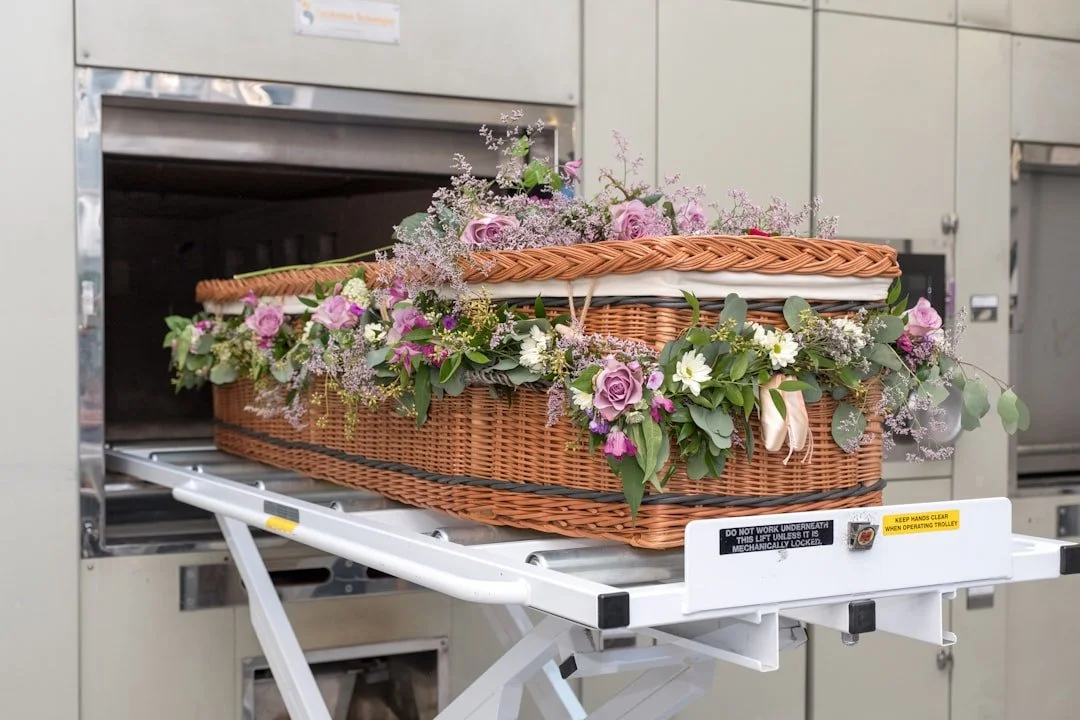
A crematorium is a licensed facility designed specifically for the cremation process. While funeral homes often coordinate arrangements, the crematorium is where the physical process of cremation occurs. In some cases, both services are offered under one roof. In others, the crematorium operates independently and works with multiple funeral providers.
The cremation itself takes place in a specially designed chamber that uses controlled heat and strict safety protocols. The process is regulated and documented at every step, from identification to the return of cremated remains to the family or their chosen representative.
Contrary to common misconceptions, cremation is not hurried or impersonal. Each individual is cremated separately, with careful identification measures in place. The time required varies depending on factors such as body composition and equipment, but the process is handled with professionalism and respect.
The Cremation Process Explained Step by Step
Understanding the sequence of events can help demystify cremation and ease anxiety for families who may be encountering it for the first time.
The process begins with legal authorization. This typically includes a cremation permit and signed consent from the legal next of kin. Once documentation is complete, the individual is transferred to the crematorium or prepared on site if the crematorium is part of a funeral home.
Before cremation, personal items are removed in accordance with safety regulations. Families can often specify whether certain items may remain, depending on material and policy. Identification accompanies the individual throughout the process.
After cremation is complete, the remains are carefully processed into a fine, sand like consistency and placed into a temporary container or urn selected by the family. The remains are then returned according to the family’s wishes, whether for memorialization, scattering, or placement in a niche.
Cremation and Memorialization Are Not the Same Thing
One of the most misunderstood aspects of cremation is the assumption that it replaces the need or opportunity for a memorial. In reality, cremation simply changes the timing and format.
Families may choose a traditional service before cremation, a gathering afterward, or a private remembrance held weeks or months later. Some opt for informal ceremonies at meaningful locations, while others prefer structured services that reflect cultural or spiritual traditions.
This flexibility is one of cremation’s greatest strengths. It allows families to separate logistical necessity from emotional expression, creating space to grieve and remember in ways that feel genuine.
Environmental Considerations and Cremation
Environmental impact is an increasingly common consideration, and cremation is often perceived as a more environmentally responsible choice. While cremation does require energy, it avoids land use and long term maintenance associated with traditional burial.
Many modern crematoriums invest in high efficiency equipment and filtration systems to reduce emissions. Some families also choose biodegradable urns or natural scattering practices as part of a broader commitment to sustainability.
For those weighing environmental factors, asking questions about a crematorium’s equipment and practices can provide reassurance and clarity.
Costs, Transparency, and Informed Choices
Cost is a practical reality that families must navigate, often with little preparation. Cremation is generally more affordable than burial, but prices can vary widely depending on services included.
A key factor is transparency. Families benefit from providers who clearly outline what is included, what is optional, and what may incur additional fees. Understanding the difference between direct cremation and cremation with services can help prevent misunderstandings later.
Recent consumer research shows that families who receive itemized pricing and clear explanations report higher satisfaction and less regret after arrangements are complete. This underscores the value of asking questions and taking time to review options carefully.
Choosing a Crematorium With Confidence
Selecting a crematorium or cremation provider is about more than logistics. It is about trust. Families should feel comfortable asking about licensing, procedures, and how remains are handled.
A reputable crematorium will welcome questions and provide clear answers without pressure. They will explain timelines, documentation requirements, and what families can expect at each stage.
For many people, the most reassuring providers are those who communicate simply, avoid jargon, and respect that not every family wants or needs the same level of service.
Planning Ahead and Reducing Emotional Burden
While no one likes to think far ahead, preplanning cremation arrangements can be a profound gift to loved ones. It reduces uncertainty, minimizes stress, and ensures personal wishes are respected.
Preplanning does not require final decisions about memorials or ceremonies. It can simply involve documenting preferences and understanding available options. Even a basic plan can make a meaningful difference when the time comes.
Cremation, when understood fully, is not about minimizing loss. It is about creating space for choice, reflection, and dignity. By understanding the role of the crematorium and the realities of the process, families are better equipped to navigate one of life’s most challenging moments with confidence and care.
HOW DO YOU FEEL ABOUT FASHION?
COMMENT OR TAKE OUR PAGE READER SURVEY
Featured





You spend two hundred, three hundred, sometimes five hundred dollars on a perfume from a famous luxury brand.