
Understanding Roofing Lifespans: What Every Homeowner Should Know Before Scheduling Repairs
PAGE
By PAGE Editor
A home’s roof is often overlooked until something goes wrong, yet it plays a crucial role in protecting the structure, maintaining indoor comfort, and preserving property value. According to 1907 Property Management experts, knowing the expected lifespan of your roofing system can help you plan ahead, avoid unexpected expenses, and ensure your home remains safe and efficient. From minor maintenance to major replacement decisions, timing is everything.
Many homeowners are uncertain about how long their roof should last. This confusion is understandable—roofing systems come in many materials, each with its own durability range and maintenance requirements. Environmental factors, installation quality, and ongoing care all play significant roles in determining when repairs or a full roof replacement might be necessary.
By understanding the typical longevity of different roof types and recognizing the factors that impact their lifespan, homeowners can make smarter, more cost-effective decisions. This article explores key lifespan indicators, how climate affects durability, and when to consider roof repair or replacement based on what your roof is telling you.
How Long Should a Roof Last?
Not all roofing systems are created equal. Some materials are designed for short-term affordability, while others are crafted for long-term durability. Understanding these expectations helps set realistic plans for maintenance and budgeting.
Asphalt shingles, one of the most common roofing materials in the U.S., generally last between 20 to 30 years. However, their performance can vary based on quality and installation technique. Architectural shingles, a premium variant, often provide longer coverage and better wind resistance.
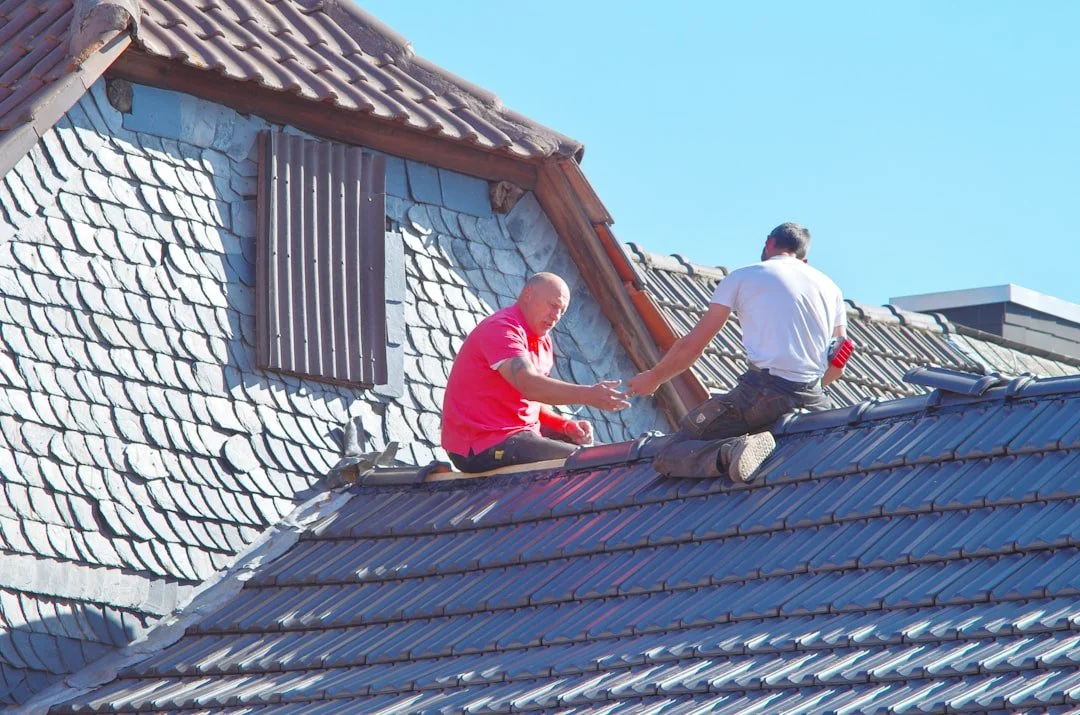
Metal roofing is known for its longevity, frequently lasting 40 to 70 years. Tile roofing—both clay and concrete—can exceed 50 years with proper maintenance. Slate is one of the most durable materials available, with lifespans often surpassing 75 to 100 years. However, such materials come with higher installation costs, which must be weighed against their long-term performance benefits.
Environmental Factors That Shorten Roof Lifespan
While material type sets a baseline, your local environment significantly influences how long a roof will actually last. Climate extremes can reduce expected lifespans, even for the most durable systems.
In hot, sun-heavy areas, ultraviolet radiation can dry out roofing materials, making them brittle and prone to cracking. Meanwhile, freeze-thaw cycles in colder climates can cause expansion and contraction that loosens roofing components over time. Frequent rainfall and high humidity create ideal conditions for moss, mold, and rot, especially if your roof lacks proper ventilation.
Hailstorms, high winds, and flying debris also accelerate wear and tear. In storm-prone regions, roofs often require more frequent inspections and minor repairs to prevent cumulative damage. Regardless of material, regular attention to weather-related deterioration can extend your roof’s life and prevent more significant problems later.
The Warning Signs of an Aging Roof
Recognizing the early signs of roof aging allows homeowners to address minor issues before they turn into costly repairs. Often, these indicators appear gradually but can become critical if ignored.
Look for curled, cracked, or missing shingles—these are common signs that the roof’s protective surface is breaking down. Water stains on ceilings or walls, especially after heavy rain, may indicate a leak. Excessive granules in gutters suggest your shingles are nearing the end of their life.
In more advanced cases, sagging areas, mold growth, or visible daylight through attic boards are signs of structural compromise. These symptoms should not be ignored and typically signal the need for professional evaluation to determine whether a roof repair is feasible or if a full roof replacement is the wiser option.
When Roof Repair Makes Sense
Not all roofing issues call for immediate replacement. In many cases, targeted repairs can resolve isolated problems and restore the roof's functionality.
If the damage is localized—like a few missing shingles or a small leak—roof repair is typically a fast and cost-effective solution. Flashing around chimneys or vents may come loose over time but can often be resealed or replaced without disturbing the entire structure.
However, repairs should be conducted promptly. The longer issues are left unaddressed, the more likely they are to spread, increasing both labor and material costs. Timely intervention from a trusted roofing company can help prevent simple repairs from escalating into complex and expensive projects.
When Roof Replacement Is the Smarter Choice
There comes a point when repairing a roof becomes less practical than replacing it altogether. Knowing when that point is reached can save homeowners money and frustration in the long run.
If your roof is approaching or has surpassed its expected lifespan and requires frequent repairs, it may be more cost-effective to invest in a full replacement. Additionally, widespread damage, extensive leaks, or sagging structural elements often indicate the need for a new roof.
Another reason to consider roof replacement is energy efficiency. Older roofs typically lack modern insulating materials and proper ventilation, which can lead to higher utility bills. A new roof built to current standards can reduce heating and cooling costs while enhancing indoor comfort.
Planning Ahead: Routine Inspections and Maintenance
One of the best ways to maximize your roof’s lifespan is to schedule regular inspections and maintenance. Ideally, roofs should be professionally inspected at least once per year and after severe weather events.
Routine upkeep—such as clearing gutters, trimming nearby branches, and checking for visible wear—helps identify small issues early. Keeping detailed records of repairs and inspections also makes it easier to work with contractors and insurance providers in the event of damage or claims.
Partnering with a reputable company like Homey Roofing and Restoration ensures that your roof is evaluated thoroughly and maintained according to best practices, reducing the likelihood of surprises and costly emergencies.
Final Thoughts
Understanding how long different roofing materials last, what environmental factors impact their performance, and when to pursue repairs versus full replacement can save homeowners thousands of dollars. Roofing is not a set-it-and-forget-it system—it requires periodic attention, proactive planning, and informed decision-making.
By learning to spot the signs of aging and addressing issues early, you can extend your roof’s lifespan, protect your investment, and avoid unexpected stress. Whether it's roof repair or roof replacement, timing and knowledge are your strongest tools for maintaining a durable and efficient home covering.
When the time comes to take action, working with experienced professionals like Homey Roofing and Restoration ensures your roofing decisions are supported by expert guidance and long-term reliability.
HOW DO YOU FEEL ABOUT FASHION?
COMMENT OR TAKE OUR PAGE READER SURVEY
Featured



When investing in quartz countertops, choosing the right warranty and care package is just as important as selecting the color and finish.