
What Is Kratom Used For?

PAGE
By PAGE Editor
This natural herb from Southeast Asia has been making waves in the wellness world. Traditionally, locals have used kratom leaves for centuries, chewing them or brewing them into teas to boost energy, ease discomfort, and improve focus. But today, kratom has gone global, with people everywhere exploring its potential benefits.
So, what makes kratom so special? Some say it’s a natural alternative for pain relief, relaxation, and even increased productivity. Others turn to it for stress management or as a way to combat fatigue. However, kratom isn’t without controversy. While many users swear by its effects, health experts and regulators continue to debate its safety and legality.
That raises an important question: Is kratom right for you? Understanding how it works, what it’s used for, and what the risks are can help in making an informed decision. Let’s dive into the many ways people use kratom and what to expect when trying it.
Understanding Kratom: What Is It?
Kratom, scientifically known as Mitragyna speciosa, is a tropical evergreen tree native to Southeast Asia, particularly in Thailand, Indonesia, Malaysia, and Myanmar. It belongs to the coffee family (Rubiaceae) and has been used for centuries by local farmers and laborers to boost energy, reduce fatigue, and manage pain.
The process starts with mature kratom leaves, which are carefully hand-picked at peak potency. After harvesting, the leaves undergo drying and curing, which influences their final alkaloid profile. Depending on the drying method and fermentation process, different kratom strains emerge, such as White, Green, and Red vein varieties, each offering unique effects.
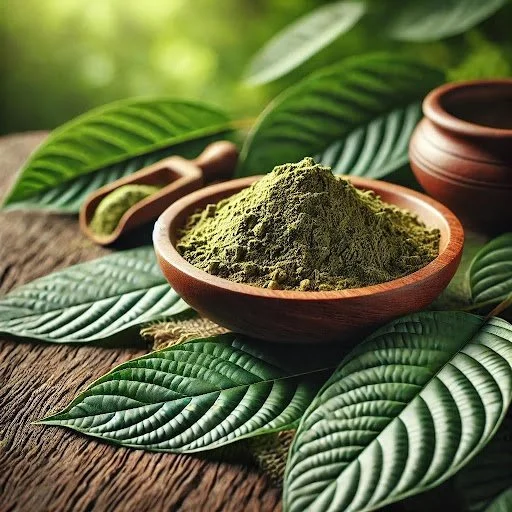
Once dried, kratom leaves can be crushed into a fine powder, which is the most common form. Some users prefer capsules for easy dosing, while others opt for liquid extracts or tinctures, which provide highly concentrated, fast-acting effects. Kratom can also be brewed into tea, a traditional method that enhances absorption while mellowing the bitter taste.
What makes kratom effective are its two primary active compounds: mitragynine and 7-hydroxymitragynine. Mitragynine, the most abundant alkaloid, provides stimulating and pain-relieving properties at lower doses. Meanwhile, 7-hydroxymitragynine is more potent and contributes to sedative and analgesic effects at higher doses.
These alkaloids interact with receptors in the brain, but unlike traditional opioids, kratom does not typically cause severe respiratory depression. This makes it a unique, natural alternative that people use for energy, pain relief, relaxation, and overall well-being.
Now that the basics are covered, let’s explore the various ways people use kratom and what benefits it may offer.
Common Uses of Kratom
Below, we discuss some common uses of kratom.
Kratom for Energy and Focus
Many people turn to kratom shots and pills as a natural way to boost energy and improve focus, particularly when looking for an alternative to caffeine or other stimulants. The effects largely depend on the strain and dosage, with White and Green vein kratom being the most effective for increased alertness, motivation, and stamina.
At low to moderate doses, kratom acts as a stimulant, much like coffee but with a smoother onset. Users report feeling more awake, mentally clear, and ready to take on the day without the jittery feeling that sometimes comes with caffeine. This is due to mitragynine, the primary alkaloid in kratom, which interacts with the brain’s receptors to promote a sense of wakefulness and motivation.
In Southeast Asia, where kratom has been used for centuries, laborers and farmers have traditionally chewed kratom leaves or brewed them into tea to sustain energy during long hours of physical work. Unlike sugar-laden energy drinks or synthetic stimulants, kratom provides a more natural, sustained boost without a harsh crash later.
While kratom can be incredibly effective for enhancing energy and focus, it’s important to use it in moderation. Higher doses, especially above 4 to 5 grams, can shift from stimulating to sedative, leading to drowsiness rather than alertness.
Some users also experience mild side effects such as jitters, restlessness, or irritability, particularly if they are sensitive to stimulants. Staying within the recommended dosage range and choosing the right strain can help maximize kratom’s energizing benefits without unwanted side effects.
For those seeking enhanced productivity, mental clarity, or a natural alternative to coffee, kratom—especially White Maeng Da kratom or Green Malay—offers a compelling and effective solution. However, finding the right strain and dose is key to achieving the best results.
Kratom for Pain Relief
One of the most common reasons people use kratom is for pain management, as it offers a natural alternative to prescription medications. Kratom’s effectiveness comes from its interaction with the body’s opioid receptors, though it is not classified as an opioid itself. The alkaloids mitragynine and 7-hydroxymitragynine bind to these receptors, reducing the perception of pain while also promoting relaxation and well-being.
Among the different strains, Red vein kratom is considered the most effective for chronic pain relief. Strains such as Red Maeng Da, Red Bali kratom, and Red Borneo are particularly known for their strong analgesic effects. Many users turn to these strains to help manage conditions like arthritis, fibromyalgia, nerve pain, and back pain. By providing relief without the harsh side effects of traditional painkillers, kratom has gained a loyal following among those looking for natural pain solutions.
When comparing kratom to prescription opioids, there are some key differences. Opioids, while highly effective for pain relief, come with significant risks, including addiction, respiratory depression, and overdose potential. Kratom, on the other hand, does not cause severe respiratory suppression, making it a safer alternative in some cases. However, kratom can still lead to dependence if misused, so responsible use is crucial.
Kratom for Anxiety and Stress Relief
For those struggling with stress, anxiety, or mood disorders, kratom extracts can offer a natural way to promote relaxation and emotional balance. Many users find that certain kratom strains help reduce feelings of stress and anxiety, providing a sense of calm without impairing focus.
Green and Red vein kratom are particularly well-suited for anxiety relief. Green strains, such as Green Malay or Green Bali, provide mild relaxation while keeping the mind alert, making them ideal for social anxiety or workplace stress. Red strains, like Red Borneo or Red Thai, are more sedating and can be helpful for evening relaxation, deep stress relief, and sleep support.
Kratom’s alkaloids influence neurotransmitters like serotonin and dopamine, which are essential for mood regulation and stress management. By modulating these brain chemicals, kratom can help ease symptoms of generalized anxiety disorder (GAD), PTSD, and social anxiety. Many users report feeling a sense of well-being and emotional stability after taking the right strain at the correct dose.
However, proper dosage is key to avoiding unwanted effects. Lower doses typically offer calmness and mild euphoria, while higher doses may cause drowsiness or excessive sedation. Those using kratom for anxiety should start with a moderate dose to find the right balance between relaxation and maintaining energy levels.
Kratom for Sleep and Relaxation
For those struggling with insomnia, restless nights, or muscle tension, Red vein kratom has become a go-to natural sleep aid. Unlike traditional sleep medications, which can leave users feeling groggy the next morning, kratom provides a gentle, sedative effect that promotes deeper and more restful sleep without the same level of hangover-like drowsiness.
Red vein strains, such as Red Bali, Red Borneo, and Red Maeng Da, contain higher levels of 7-hydroxymitragynine, an alkaloid known for its calming and pain-relieving properties. These strains help relax both the mind and body, making it easier to unwind after a long day. Many users report that kratom not only helps them fall asleep faster but also improves sleep quality by reducing nighttime restlessness and muscle tension.
The dosage plays a crucial role in achieving the desired effects. Lower doses of kratom tend to be more stimulating, while higher doses (4-6 grams or more) shift into sedation mode, making them ideal for night-time use. Taking kratom 30 to 60 minutes before bed allows the relaxation effects to set in, helping the body naturally transition into sleep.
Because kratom does not function like traditional sedatives, it can be a useful alternative for those who prefer a natural approach to managing sleep issues. However, regular use should be approached with caution to avoid potential tolerance or dependence. When used responsibly, Red vein kratom can be a powerful tool for promoting relaxation and improving overall sleep health.
Potential Risks and Side Effects of Kratom
While kratom offers a range of potential benefits, it’s important to understand the possible side effects and risks that come with its use. Like any supplement or herbal remedy, kratom can cause unwanted reactions, especially if taken in high doses or used frequently.
Some of the most common side effects include nausea, dizziness, constipation, headaches, and dry mouth. These effects are usually mild and temporary but can be more pronounced if kratom is taken on an empty stomach or in excessive amounts. Certain users may also experience jitters, irritability, or an upset stomach, particularly with stimulant-like strains such as White vein kratom.
One of the biggest concerns surrounding kratom is its potential for dependency and withdrawal. Because kratom interacts with opioid receptors, regular use over an extended period may lead to tolerance and mild withdrawal symptoms when stopping.
Symptoms such as fatigue, mood swings, irritability, muscle aches, and cravings can occur in those who use kratom daily and at high doses. However, these withdrawal symptoms are generally milder than those of traditional opioids and can often be managed by gradually reducing intake.
Legal Status and Regulations of Kratom
Kratom’s legal status varies widely across different countries and even within the United States. While it remains legal at the federal level in the U.S., some states and cities have banned its sale and use. Currently, kratom is illegal in states such as Alabama, Arkansas, Indiana, Rhode Island, Vermont, and Wisconsin, as well as some local jurisdictions. Outside the U.S., kratom is banned in countries like Thailand, Australia, Denmark, and Malaysia, while it remains unregulated in many other parts of the world.
Despite the legal uncertainties, efforts are being made to establish clear regulations and quality standards. The American Kratom Association (AKA) is one of the leading organizations advocating for consumer protection laws and ensuring that kratom remains legally accessible. The AKA has introduced the Kratom Consumer Protection Act (KCPA), which aims to regulate kratom products by enforcing lab testing, labeling, and age restrictions to prevent contamination and misuse.
How to Use Kratom Safely and Responsibly
Using kratom responsibly is key to maximizing its benefits while minimizing potential risks. Whether you’re new to kratom or an experienced user, following best practices can help ensure a safe and positive experience.
Starting with a low dose is the best approach, especially for beginners. A small amount, typically between 1 to 2 grams, allows the body to adjust and helps determine personal tolerance. If the desired effects aren’t felt after 30 to 45 minutes, a slight increase may be considered, but gradual adjustments are essential to avoid unwanted side effects like nausea or dizziness. Higher doses (4+ grams) tend to have more sedative effects, while lower doses (1-3 grams) are more stimulating.
Choosing the right kratom strain also plays a major role in achieving the desired outcome. White vein kratom is best for energy and focus, while Green vein kratom provides a balanced mix of energy and relaxation. Red vein kratom is ideal for pain relief and sleep support, making it a better choice for nighttime use. Understanding these differences helps in selecting the most effective strain for specific needs.
Since kratom is not regulated by the FDA, purchasing from trusted kratom vendors that provide third-party lab testing is essential. Lab testing ensures that kratom is free from contaminants, heavy metals, and adulterants, reducing the risk of exposure to unsafe products. Reputable brands will always provide transparent lab results and clear product labeling.
To minimize dependency risks, kratom should be used in moderation. Taking it on an as-needed basis rather than daily helps prevent tolerance buildup and withdrawal symptoms. Rotating strains and limiting use to a few times per week can also help maintain kratom’s effectiveness without leading to habitual use.
When used responsibly and with awareness, kratom can be a valuable natural supplement that supports energy, pain relief, and relaxation while minimizing potential drawbacks.
The Takeaway
Kratom has emerged as a versatile natural supplement, offering a range of potential benefits, from pain relief and relaxation to enhanced focus and energy. Its diverse effects have made it a popular choice among those seeking natural alternatives for managing discomfort, stress, and fatigue.
However, like any supplement, responsible use is essential. Understanding proper dosing, strain selection, and frequency of use can help minimize risks while maximizing the benefits. Because kratom interacts with the body’s receptors, moderation is key to avoiding dependency or unwanted side effects.
Before incorporating kratom into a wellness routine, it’s always a good idea to consult a healthcare professional, especially for those with pre-existing health conditions or who take medications.
References:
Eastlack SC, Cornett EM, Kaye AD. Kratom-Pharmacology, Clinical Implications, and Outlook: A Comprehensive Review. Pain Ther. 2020 Jun;9(1):55-69. doi: 10.1007/s40122-020-00151-x. Epub 2020 Jan 28. PMID: 31994019; PMCID: PMC7203303.
Hossain R, Sultana A, Nuinoon M, Noonong K, Tangpong J, Hossain KH, Rahman MA. A Critical Review of the Neuropharmacological Effects of Kratom: An Insight from the Functional Array of Identified Natural Compounds. Molecules. 2023 Oct 31;28(21):7372. doi: 10.3390/molecules28217372. PMID: 37959790; PMCID: PMC10648626.
HOW DO YOU FEEL ABOUT FASHION?
COMMENT OR TAKE OUR PAGE READER SURVEY
Featured





The environment your family member returns to can affect their recovery after leaving the hospital.