
What to Do When Your Pickup is Bogged Down After Rain
PAGE
By PAGE Editor
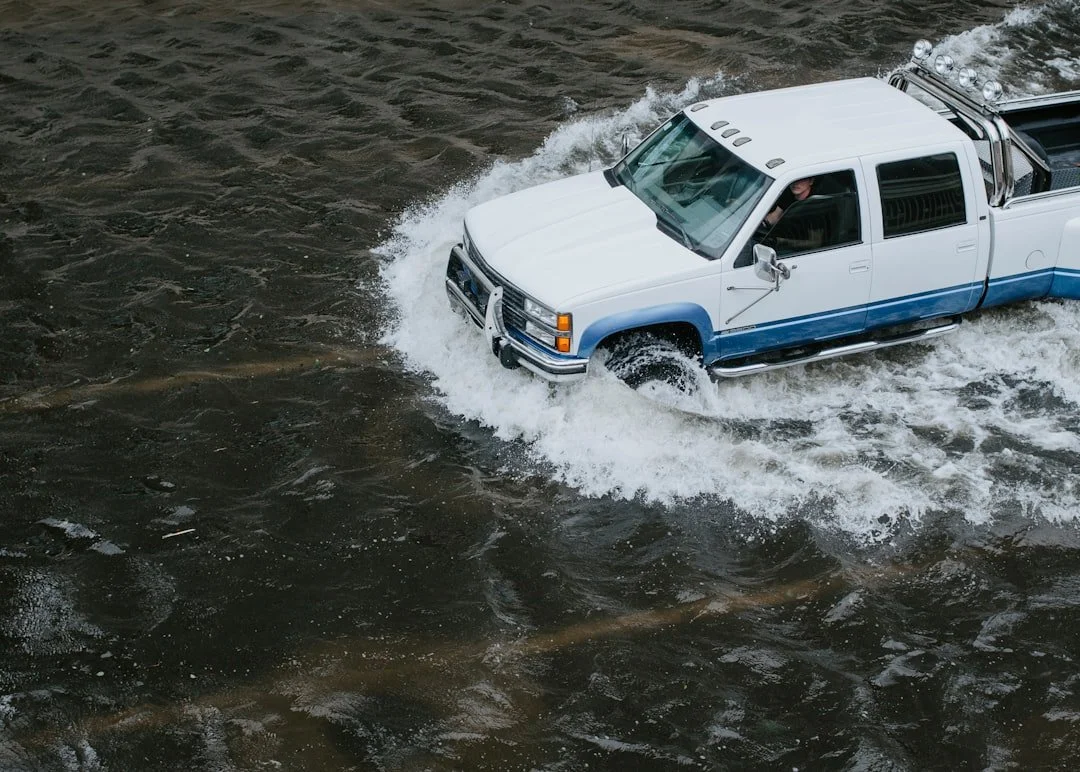
After a heavy rain, it’s common for pickup trucks to get stuck or bogged down in muddy places.
The wet and soft ground makes it hard for tires to grip, causing your truck to slip or get stuck. This can be frustrating and even dangerous if you don’t know what to do.
Knowing how to safely recover your pickup and avoid damage is very important. Rain can make the roads slippery and muddy, reducing your pickup truck traction and control.
Using the right tools and methods can help you get out without harming your vehicle or risking your safety.
In this guide, you will learn practical tips to free your truck when it’s stuck in mud after rain. We’ll also introduce useful recovery aids like TruckClaws, a trusted traction device that helps your tires get grip and get moving again.
Plus, we’ll cover important steps to care for your pickup after driving through wet and muddy conditions.
Understanding Why Your Pickup Gets Bogged Down After Rain
When rain falls, the ground becomes soft and slippery. Mud and wet soil cause your pickup truck to lose traction, which means the tires cannot grip the surface properly.
Without good grip, your wheels spin but don’t move the truck forward. This is the main reason pickups get stuck or bogged down after rain.
On wet roads, there’s also a risk of hydroplaning. This happens when a layer of water builds between your tires and the road, making it hard to control the truck.
Hydroplaning can cause sudden sliding or fishtailing, which is dangerous, especially for trucks with rear-wheel drive (2WD). These trucks are more likely to lose grip because power goes to the back wheels only.
Another factor is an empty truck bed. When the bed has no load, there is less weight pressing down on the rear tires, reducing traction even more.
This can make the truck slide or fishtail on wet surfaces, making it harder to keep control.
To avoid sliding and improve grip, it’s important to use smooth throttle control and manage your truck’s torque carefully.
Sudden acceleration or harsh braking can make wheels spin or lock up, causing you to lose control. Gentle and steady driving helps the tires hold on better and keeps your pickup stable in wet conditions.
Initial Steps to Take When Your Pickup is Stuck
Stay calm and avoid spinning your wheels aggressively. Spinning can dig your tires deeper into the mud, making it harder to get free.
First, assess the situation. Look at how deep the mud or water is and check how much traction you have. This helps you decide the best way to recover your pickup safely.
Next, check your tires. Make sure the tread pattern is good for muddy or wet conditions, and check the tire pressure.
Using a tire deflator kit can help lower tire pressure safely, increasing the tire’s surface area and improving grip on soft ground.
Try basic recovery techniques like rocking your truck gently back and forth. This can help build momentum to get out of the mud.
If it’s safe, reduce tire pressure slightly to gain better traction, but remember to reinflate your tires as soon as you are back on solid ground.
Essential Recovery Tools and Traction Aids
When your pickup is stuck after rain, having the right gear makes all the difference. TruckClaws stand out as a top traction aid compared to traditional mats or maxtrax.
These heavy-duty traction plates grip the tires firmly, helping your truck gain traction quickly on muddy or slippery surfaces.
How TruckClaws work: You place them under your tires, and their sharp edges bite into the mud or wet soil.
This prevents your wheels from spinning uselessly and helps you move forward with confidence.
They are easy to carry and set up, making them a must-have for any pickup driver facing wet conditions.
Besides TruckClaws, there are other essential tools for recovery:
Tow straps or recovery straps to pull your truck out with help from another vehicle.
A shovel or entrenching tool to dig around the tires and clear mud.
For more advanced recovery, a winch and snatch blocks can pull your truck from tough spots.
Also, if you drive a 2WD pickup, adding sandbags in the truck bed can improve rear tire traction. The extra weight helps your tires grip better and reduces fishtailing on wet roads.
Step-by-Step Guide to Using TruckClaws and Other Traction Aids
To get the best traction, place the TruckClaws right in front of or behind the tires that are spinning, depending on which way you want to move.
Make sure the teeth of the TruckClaws dig into the mud or wet ground. This gives your tires a solid grip to help your pickup get unstuck faster.
Here are some safety tips when using recovery gear:
Always turn off your truck’s engine before placing TruckClaws or other traction aids near the tires.
When using tow straps or winches, keep bystanders at a safe distance and never stand directly in line with the strap or cable—it can snap and cause injuries.
Attach recovery straps to proper tow points on your truck, not random parts that can break.
Wear gloves when handling winch cables or straps to protect your hands.
If you’ve tried these steps and your pickup still won’t move, or if the situation looks risky (deep mud, water, or damage), it’s best to call roadside assistance or a professional recovery service. Safety always comes first.
Post-Recovery Vehicle Inspection
After getting your pickup free, it’s important to check for any signs of water damage.
Start by inspecting the engine for water in the cylinders, which can cause hydrolock—a serious problem that can stop your engine from running.
Next, check the transmission fluid to see if it looks cloudy or dirty, which may mean water got inside and could harm the transmission.
Look at the spark plugs too. If they are wet or fouled, it means water has affected them and your engine might misfire.
Using fogging oil after driving through water helps protect the engine’s inside parts from rust and corrosion.
Lastly, examine your brakes and suspension for mud or debris. Mud can reduce brake performance and damage suspension parts, so clean and check them carefully to keep your pickup safe and reliable.
Preventive Tips to Avoid Getting Bogged Down in the Future
Choosing the right tires can make a big difference. Look for tires with deep, aggressive tread patterns designed for rain and mud to help your pickup grip better on slippery surfaces.
Adding weight in the truck bed can improve traction, especially for 2WD pickups. Use sandbags or heavy tools safely secured to keep the weight balanced without affecting driving control.
When driving in wet or muddy conditions, avoid sudden moves. Don’t slam the accelerator or brake hard. Instead, use smooth, gentle acceleration and braking to keep traction.
If your pickup has torque control systems, use them—they help prevent wheel spin and sliding.
After driving through rain or mud, do regular checks. Look at fluid levels, lubricate moving parts, and keep your tire pressure at the right level for safe handling.
These simple steps help keep your pickup ready for any weather ahead.
When to Seek Professional Help
Sometimes, trying to get your pickup out on your own can be risky or might not work. If the mud is very deep or your truck is stuck in water, avoid forcing the recovery. Spinning wheels too much can cause more damage.
If you notice signs like the engine won’t start, strange noises from the transmission, or rough shifting, these could mean serious water damage.
In such cases, it’s best to call a trusted mechanic to inspect your vehicle.
Also, if your area often floods, check your insurance policy to understand what flood-related damages are covered.
Getting professional help early can save you money and prevent long-term problems.
Conclusion: Smart Recovery Starts with the Right Gear
When your pickup gets stuck after rain, the most important thing is to stay calm and avoid making the situation worse.
Using the right tools like TruckClaws can make recovery much easier and safer. Always inspect your vehicle carefully after getting it out of mud or water to catch any damage early.
Being prepared with the right recovery gear and knowledge can save you a lot of trouble.
Equip your pickup with reliable traction aids like TruckClaws so you’re ready for any rain or muddy challenges ahead. Stay safe, stay ready!
FAQ Section
Q: Why does my truck fishtail in the rain?
A: Fishtailing happens when the tires lose grip on wet or slippery surfaces, often due to low traction or an empty truck bed.
Q: How do TruckClaws help in muddy conditions?
A: TruckClaws provide extra grip by digging into mud and dirt, giving your tires a solid surface to push against and preventing spinning.
Q: Can I drive my pickup after it’s been stuck in water?
A: Only if you’ve checked for water damage, especially in the engine and transmission. It’s best to have a mechanic inspect it before driving long distances.
Q: What tools should I always keep in my truck for recovery?
A: Essential tools include TruckClaws, tow straps, a shovel, and a tire deflator kit for off-road traction.
Q: How to prevent water damage to the engine?
A: Avoid driving through deep water, and if exposed, use fogging oil to protect engine parts. Always inspect for water in cylinders or spark plugs after recovery.
.
HOW DO YOU FEEL ABOUT FASHION?
COMMENT OR TAKE OUR PAGE READER SURVEY
Featured


Parents today face many challenges when supporting their child’s emotional and mental wellbeing.