
What to Understand About Lasik Eye Surgery in NYC?

PAGE
By PAGE Editor
Anyone sick of dealing with corrective lenses like glasses or contacts may find LASIK, or laser eye surgery, to be a game-changer. In New York, where life moves quickly, getting LASIK can make a big difference in how you live your daily life.
But before you decide to get LASIK, you should know everything there is to know about the process. This is especially important in a busy city like New York City. These pages tell you everything you need to know about LASIK surgery in New York City, such as how it works, where to find a good doctor, and how much it costs.
What is LASIK Eye Surgery?
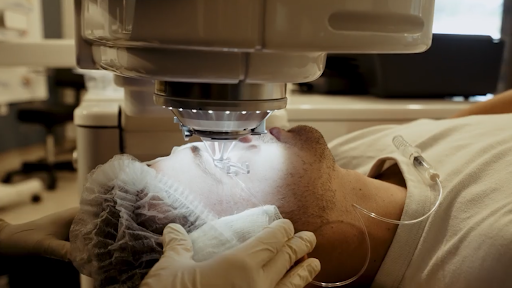
Procedures like LASIK (Laser Assisted in Situ Keratomileusis) are examples of refractive surgery that can fix common visual issues like nearsightedness, farsightedness, and astigmatism.
In its most basic form, the operation changes the shape of the cornea, the clear "window" in front of the eye, so light hits the retina in the right way and at the right place. Many millions of people have had LASIK, and it works very well for most of them.
The process rarely takes more than 10 to 15 minutes per eye, and most people can see better right away afterward. We hear a lot about how many people can lessen or even get rid of their need for glasses or contacts after LASIK. Learn more here https://www.verifiedmarketreports.com/product/lasik-eye-surgery-devices-market/.
Why Choose LASIK in New York City?
People who call New York City home face their fair share of advantages and disadvantages, and LASIK is one solution that many find useful. Cities like New York City move quickly, so it's important to have good eyesight to get around, commute, or just enjoy everything the city has to offer.
You won't have to worry about your glasses fogging up on the train or your winter contacts making your eyes dry. People who live in the city that never sleeps can live their lives to the fullest with LASIK.
New York City also has some of the best LASIK doctors and most modern eye centers in the country. This means that in the middle of the city, you can get the best care and the newest tech.
How Does LASIK Surgery Work?

In the time leading up to the operation, you will have your initial consultation with the surgeon. At this stage, the surgeon will evaluate the overall health of your eye, analyze the thickness of your cornea, and determine whether or not your prescription is stable. During this appointment, you will find out whether or not LASIK is a suitable option for you.
To alleviate any discomfort you may be experiencing, eye drops will be administered to you on the day of the operation. Even though you will not be able to fall asleep, some clinics may provide you with some moderate sedatives to assist you in relaxing.
Either a microkeratome, which is a surgical blade, or a femtosecond laser is used by the physician to surgically create a thin flap in the eye. The tissue that is contained within the lens can be observed once the flap has been gradually raised.
For the purpose of correcting the refractive error, a highly specialized excimer laser is utilized to alter the shape of the cornea. A computer directs the laser, and it adjusts itself according to the way your eyes look. In this way, it is guaranteed to function flawlessly at all times.
After being reshaped, the flap is carefully repositioned in its original position. This is done since the cornea does not require stitches in order to heal. Discover more here.
What to Expect During Recovery?
The quick recovery time is one of the main advantages of LASIK. Most people notice their vision getting better in 24 hours, but it can take a few days for things to settle down completely. Especially in the first few days, you should try not to rub your eyes while you're regaining your strength.
Follow-up visits are usually set up by surgeons to check on healing and make sure everything is going well. In the days after surgery, limiting your time in front of a screen can help ease eye strain, and using fake tears will keep your eyes moist since dry eyes are common after LASIK. Of course, if your job requires a lot of computer time, you might need a little more time. Most people can go back to work in two days.
Finding the Right Surgeon
Picking the right surgeon is very important for a good LASIK NYC procedure. Find a New York City surgeon who has done a lot of good work in the past. Surgeons with more knowledge are better able to deal with new and difficult situations.
Finding a medical facility that makes use of state-of-the-art equipment is equally crucial. An example of bladeless LASIK is when a laser is used to make the corneal flap instead of a blade. Wavefront technology also makes sure that the procedure fits each person's eye correctly. There are reviews and comments about the surgeon that can help you decide if they are right for you. He or she will also tell you the truth about any risks, costs, and what to expect while you heal.
The Cost
Most of the time, the surgery costs between $2,000 and $3,500 per eye. The exact price depends on technology, the level of experience of the doctor, and how difficult your prescription is. Wavefront-guided LASIK and bladeless LASIK are two more advanced methods that generally cost more but work better. Doctors who have a good name and a lot of experience may charge more, but the skill can be worth it.
You can get deals at some centers that include follow-up visits, surgeries to improve your looks if needed, and even promises that the results will last. Health Savings Accounts (HSAs) and Flexible Spending Accounts (FSAs) can be used to pay for LASIK, but most insurance plans do not cover it. Many locations offer payment plans. A LASIK account lets you use tax-free money to pay for the surgery, which can help with the cost.
HOW DO YOU FEEL ABOUT FASHION?
COMMENT OR TAKE OUR PAGE READER SURVEY
Featured




When investing in quartz countertops, choosing the right warranty and care package is just as important as selecting the color and finish.