
When Is the Right Time for a Heat Pump Replacement and What to Expect?
PAGE
By PAGE Editor
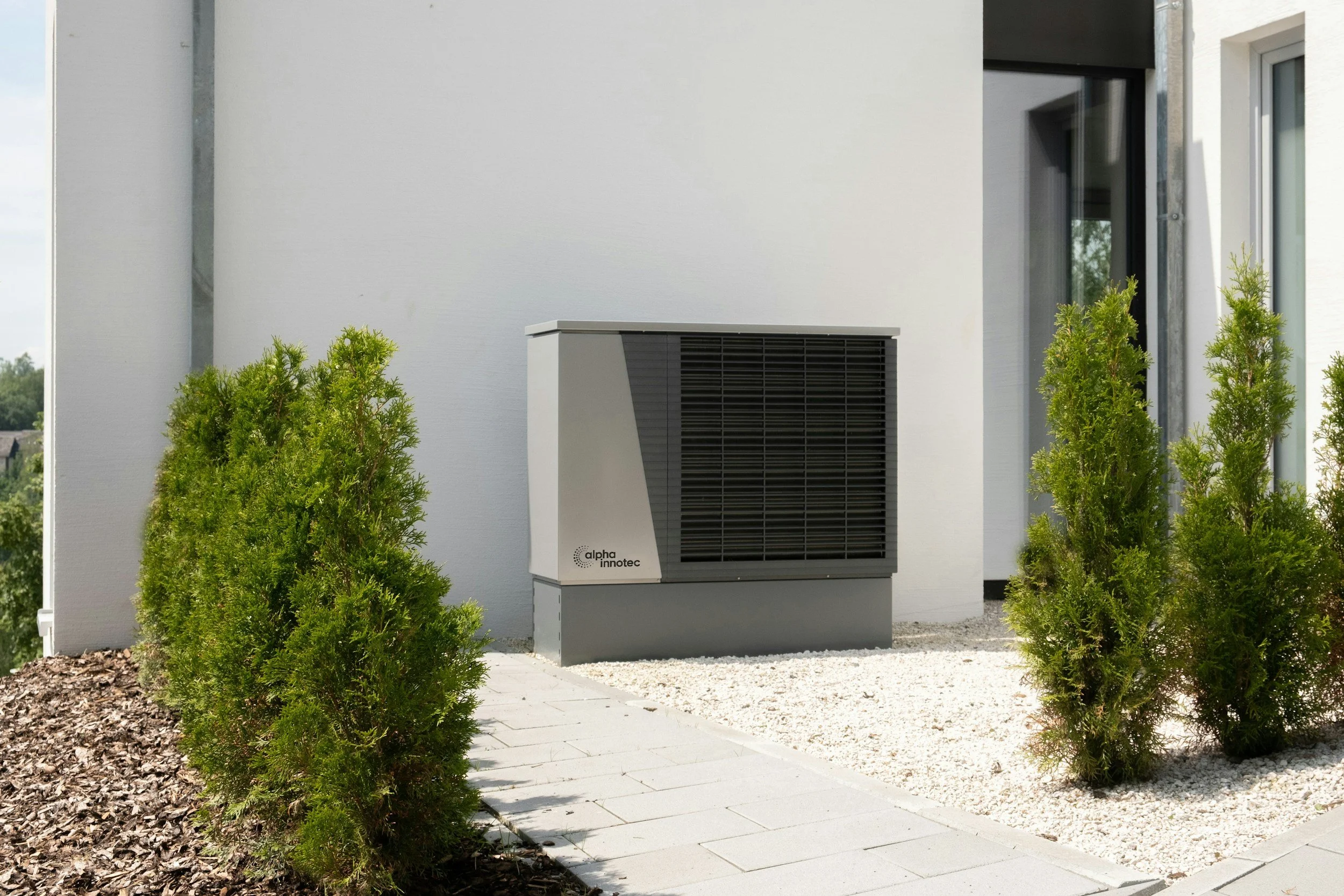
Heat pumps are among the most versatile and efficient systems used to maintain indoor comfort throughout the year. These systems provide both heating and cooling, making them valuable assets in homes that experience seasonal temperature changes. Over time, however, wear and age can begin to reduce performance, prompting homeowners to consider when replacement may be necessary. While some signs are subtle, others indicate that it may be time to evaluate the system’s long-term reliability. Understanding these indicators helps homeowners prepare and make informed decisions about future comfort needs.
Many households become aware of performance changes gradually. A system that once heated or cooled effectively may take longer to reach desired temperatures or may operate with more noticeable noise. Utility bills may rise without a clear explanation, and rooms may feel less evenly conditioned than before. These experiences often spark questions about whether repair or replacement is the best solution. With thoughtful evaluation and professional support, homeowners can determine whether Heat Pump Replacement offers the most efficient path forward.
This type of decision requires both practical understanding and clear expectations about the replacement process. Many families choose to work with experienced providers such as Pelican Heating & Air to ensure accurate assessments and smooth transitions. Knowing when replacement is needed and what steps to expect helps create a more comfortable and predictable experience.
Understanding the Lifespan of a Heat Pump
The lifespan of a heat pump varies depending on usage, maintenance habits, climate, and installation quality. On average, well-maintained systems last between ten and fifteen years. As the unit ages, its ability to maintain consistent performance begins to decline. Homeowners may notice that the system cycles more frequently, struggles in extreme temperatures, or becomes louder than usual. These signs often reflect the natural aging process of internal components.
Once a system approaches the end of its typical lifespan, replacement becomes a more practical solution than continued repairs. New systems offer improved performance and greater efficiency, making them cost-effective investments for long-term comfort. Evaluating the system’s age helps homeowners plan rather than react to unexpected failures.
Recognizing When Repairs Are No Longer Enough
Repairs can often resolve minor issues, but frequent service calls may indicate deeper problems. When homeowners find themselves addressing new issues each season, it can signal that the system is approaching the end of its functional life. Replacing major components on an aging unit may become more expensive than investing in a new system that offers improved technology and long-term reliability.
Consistent breakdowns also create discomfort during periods of extreme heat or cold. A system that cannot maintain dependable performance under seasonal pressure may no longer be a practical long-term solution. Replacement helps homeowners avoid repeated disruptions and ensures more reliable indoor comfort.
Rising Energy Bills as a Sign of Declining Efficiency
Energy efficiency is one of the most noticeable indicators of heat pump health. As systems age, they require more energy to produce the same level of comfort. Homeowners may notice gradual increases in utility costs even when usage habits remain the same. This trend often indicates that the system is no longer functioning at its intended efficiency.
Upgrading to newer technology helps improve energy performance throughout the year. Today’s heat pump models are designed to use less power while delivering stronger, more consistent heating and cooling. An assessment from a qualified technician can help determine whether replacing the system will provide better efficiency in the long run.
Uneven Heating and Cooling Throughout the Home
One of the primary advantages of a heat pump is its ability to distribute temperature evenly across the home. When this balance disappears, it may signal airflow restrictions, aging components, or failing internal parts. Rooms that feel too warm in one season and too cool in another often reflect declining system capability.
While minor airflow issues can sometimes be resolved with maintenance, persistent uneven conditioning may indicate that replacement is the more effective solution. A new system restores balance and ensures consistent comfort throughout every room in the home.
Strange Noises or Unusual Operation Patterns
Heat pumps generally operate quietly when functioning properly. Loud grinding, rattling, or humming sounds often indicate worn components or structural issues within the system. These noises may reflect mechanical failure or declining internal stability. While minor noises can be addressed with repairs, frequent or worsening sounds often indicate that replacement provides a more dependable long-term option.
Unusual operation patterns—such as rapid cycling, delayed starts, or failure to switch modes—also suggest deeper mechanical decline. The longer these issues persist, the more likely they are to affect the system’s efficiency and reliability.
Preparing for the Replacement Process
When homeowners decide to move forward with heat pump replacement in Bellevue, understanding the process helps create a smoother experience. The first step typically involves evaluating the home’s layout, insulation, duct condition, and overall comfort needs. Technicians determine the appropriate size and model to ensure efficient performance after installation.
Once a selection is made, homeowners prepare by ensuring clear access to indoor and outdoor units. Installers remove the old system, inspect connections, and set up the new equipment. Proper configuration and testing follow to ensure the system performs as intended. This process helps confirm that the new unit is functioning efficiently and safely before daily use begins.
Benefits of Upgrading to a Modern System
Modern heat pumps offer advanced features that significantly enhance comfort and efficiency. Variable-speed motors, improved refrigerants, and smarter temperature control systems make new units more effective than older models. These improvements support better airflow, reduced noise, and more accurate response to temperature changes.
Upgraded systems also help create long-term financial savings. Improved efficiency leads to lower utility bills, while modern technology reduces the likelihood of frequent repairs. Many homeowners notice immediate improvements in indoor comfort and system performance after upgrading.
Ensuring Long-Term Performance Through Professional Support
Professional guidance ensures that the new heat pump continues operating effectively after installation. Routine evaluations, filter changes, and system checks help maintain stable performance throughout the year. Homeowners also receive valuable insight into best practices for improving airflow, maximizing efficiency, and recognizing early signs of wear.
Working with knowledgeable teams such as Pelican Heating & Air ensures that both installation and long-term care remain consistent. Professional support allows homeowners to protect their investment and maintain year-round comfort.
Conclusion
Determining the right time for an upgrade becomes easier when homeowners understand the key indicators of system decline. Rising energy costs, uneven temperatures, unusual noises, and frequent repairs often signal the need for replacement. By planning ahead and working with experienced professionals, families can transition smoothly to a more efficient, dependable, and comfortable heating and cooling system.
ChatGPT can make mistakes. OpenAI doesn't use Stryker Digital workspace data to train its models.
HOW DO YOU FEEL ABOUT FASHION?
COMMENT OR TAKE OUR PAGE READER SURVEY
Featured





The difference between a good result and a breathtaking one lies in the details