
Who Buys the Most Dogecoin? The Age Group That Turned a Meme into a Movement
PAGE
By PAGE Editor
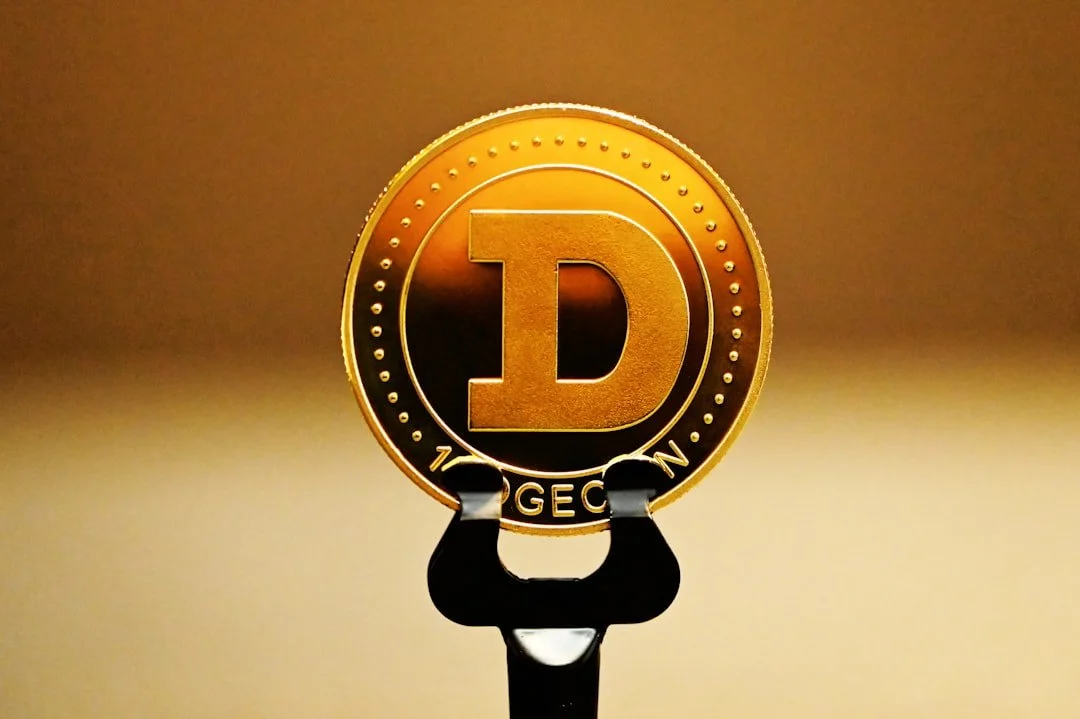
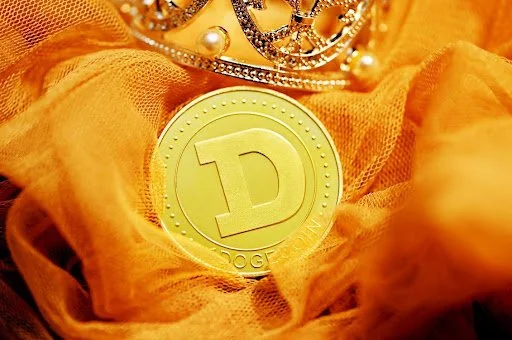
Dogecoin was never supposed to be serious. It started as a joke, a goofy internet coin plastered with the face of a Shiba Inu, born out of irony and Reddit humor. But somewhere along the way, the joke stopped being funny and started being profitable. And when that happened, one generation stepped in harder than the rest. Not the boomers clutching their gold, not the cautious Gen Xers who still think in terms of index funds, and not even Gen Z, who trade from their phones like they were born with candlestick charts in their DNA. No, the real Dogecoin army came from the Millennials who put great interest into learning how to buy Dogecoin from day one. The meme kids turned adults. Those who grew up with internet chaos and never lost their taste for it. Dogecoin became their rebellion, part nostalgia, part investment, part inside joke that got way too big. And that mix? It made them the loudest, proudest buyers of the most unserious coin in crypto history.
The Millennial Hustle: From Jokes to Gains
You’ve got to understand something about Millennials: they’ve been burned by every system that promised them stability. They graduated into a recession, watched wages flatline while rent went up, and saw traditional investments build walls higher than their paychecks could climb. So when crypto came along, open, wild, and unapologetic, it wasn’t just another market. It was a chance. And Dogecoin? It didn’t come with the arrogance of Wall Street. It came with laughter. It didn’t ask for credentials. It just said: “Hey, wanna join the ride?” Millennials understood that language because they grew up in internet forums where sarcasm was a love language. They knew the power of a meme before corporations tried to monetize it. So when Elon Musk started tweeting Doge memes and Reddit lit up with rocket emojis, Millennials didn’t need convincing.
Gen Z: The Chaos Traders
Now, don’t get us wrong, Gen Z’s in the mix too. They’ve got their fingers on trading apps, flipping coins faster than most people can refresh their feed. They love Dogecoin for what it represents: chaos, humor, rebellion. They meme it harder than anyone. But here’s the difference: for them, Dogecoin is entertainment first, investment second. They’ll buy it on Friday, sell it on Monday, and tweet about it in between. They love the thrill, the volatility, the instant highs, the FOMO-driven spikes. But Millennials? They hold and treat Dogecoin like that friend who always messes up but somehow makes it home at the end of the night. There’s loyalty there even when it doesn’t make sense. And that’s why when you look at trading data, the average Dogecoin holder isn’t 18 or 20. They’re closer to 30-40 years old. They’ve got jobs, they’ve got disposable income, and they’ve got this deep-seated desire to be part of something that doesn’t belong to banks or governments.
Gen X: Watching, Not Betting
Then there’s Gen X, the quiet observers. They’re the ones watching this circus unfold from a safe distance. They already have portfolios, including stocks, bonds, ETFs, and perhaps a slice of Bitcoin. They see Dogecoin’s volatility and shake their heads, much like parents who know their kids are learning the hard way. But here’s the thing: even Gen X couldn’t resist entirely. Some of them dipped their toes in when Dogecoin was at its peak hype, partly out of curiosity, partly out of envy. They like the idea of an asset class built by chaos, but they prefer things with structure. They’ll buy a bit of Doge then hide it behind the serious stuff in their wallets, like a guilty pleasure.
Boomers: Still Not Buying the Joke
And then, of course, there are the Boomers. They’re not laughing. To them, Dogecoin looks like digital confetti. They prefer what they can touch: property, gold, and dividends. They’ll listen to their kids explain crypto over dinner, nod politely, and then go back to reading about bond yields. Boomers didn’t grow up in meme culture. They grew up in bank culture. They trust structure, not chaos, and Dogecoin is pure chaos. But here’s the irony: some of the biggest Dogecoin millionaires out there? Early Boomers who took a gamble just to prove a point that even the “joke” coins can pay off. They bought a few thousand Doge for fun back in 2014, forgot about it, and now they’ve got a reason to smile every time CNBC mentions Elon Musk. Still, statistically, they’re the smallest group in the Dogecoin demographic.
The Culture Behind the Coin
What makes Dogecoin different isn’t just who buys it, it’s why they buy it. Millennials didn’t invest in Dogecoin to get rich quickly, not at first, anyway. They bought it because it felt like a digital middle finger to everything traditional finance represented. Dogecoin was born out of community, not greed. It wasn’t built in a corporate boardroom; it was built in meme threads and subreddits, where people connected over jokes and somehow turned those jokes into billions. That’s why Dogecoin feels different. It’s not cold or institutional. It’s human. It’s messy. It’s imperfect, and that’s exactly why Millennials relate to it. They don’t see themselves in Bitcoin’s perfection or Ethereum’s ambition. They see themselves in Dogecoin’s chaos.
The New Type of Investor
Dogecoin’s buyers don’t fit Wall Street’s idea of an “investor.” They buy with memes, not market analysis. They talk in emojis, not earnings reports. But beneath that surface-level absurdity, there’s something revolutionary: accessibility. For the first time, people who never felt welcome in finance are participating. Millennials turned Dogecoin into an entry point, a bridge from humor to investment. They learned about wallets, exchanges, and blockchain mechanics, all through a coin that was supposed to be a punchline. And now, years later, those same “meme investors” are trading XRP, staking ETH, and studying tokenomics like pros. Dogecoin was their first taste of power, and they haven’t let go.
The Bottom Line
Dogecoin might’ve started as a joke, but its buyers, especially the Millennial ones, turned it into a statement. They bought it not because it was polished or prestigious, but because it wasn’t.
HOW DO YOU FEEL ABOUT FASHION?
COMMENT OR TAKE OUR PAGE READER SURVEY
Featured



When investing in quartz countertops, choosing the right warranty and care package is just as important as selecting the color and finish.