
Why Cloth Packaging Is Becoming Popular in Premium Brands
PAGE
By PAGE Editor
In today’s competitive market, packaging has become more than just a protective layer for products—it’s a crucial element of brand identity. For premium brands, in particular, every detail matters, from the texture of the packaging to its sustainability and overall aesthetic appeal. One trend that has been gaining significant traction is cloth packaging. Whether it’s for luxury apparel, accessories, or even gift items, cloth packaging is redefining how premium brands engage with their customers.
In this blog, we’ll explore why cloth packaging is becoming a popular choice for high-end brands and how it enhances the overall consumer experience. We'll also share practical packaging ideas for clothes and apparel packaging ideas that can elevate your brand.
The Rise of Cloth Packaging in Premium Branding
Traditionally, packaging for apparel relied heavily on cardboard boxes, plastic wraps, and paper bags. While these materials are practical, they often fall short in conveying a sense of luxury. Cloth packaging, on the other hand, adds a tactile and visual dimension that resonates with customers seeking exclusivity and sophistication.
Several factors contribute to the growing popularity of cloth packaging in premium brands:
Sustainability Matters
Consumers today are increasingly conscious about the environmental impact of their purchases. Cloth packaging is reusable, biodegradable (depending on the material), and offers a sustainable alternative to single-use plastics or heavily processed paper. Premium brands using cloth packaging demonstrate a commitment to sustainability, which aligns with the values of modern, eco-conscious consumers.Enhanced Perceived Value
The feel and appearance of cloth instantly elevate the product’s perceived value. A garment wrapped in a finely crafted cloth bag or tied with a silk ribbon communicates attention to detail, making the customer feel that they are receiving something truly special.Versatility and Customization
Cloth packaging offers endless possibilities for customization. Brands can choose different fabrics, colors, prints, embroidery, and even add personalized touches such as monograms or logo tags. This flexibility allows companies to create a packaging experience that is unique to their brand.Durability and Reusability
Unlike paper or cardboard, cloth packaging is sturdy and can be reused multiple times. Customers may use the cloth bag for storage, travel, or gifting, extending the life of your brand’s presence in their daily lives.
Practical Packaging Ideas for Clothes
When thinking about packaging ideas for clothes, it’s essential to balance aesthetics, functionality, and brand messaging. Here are some effective ways to use cloth packaging:
1. Drawstring Bags
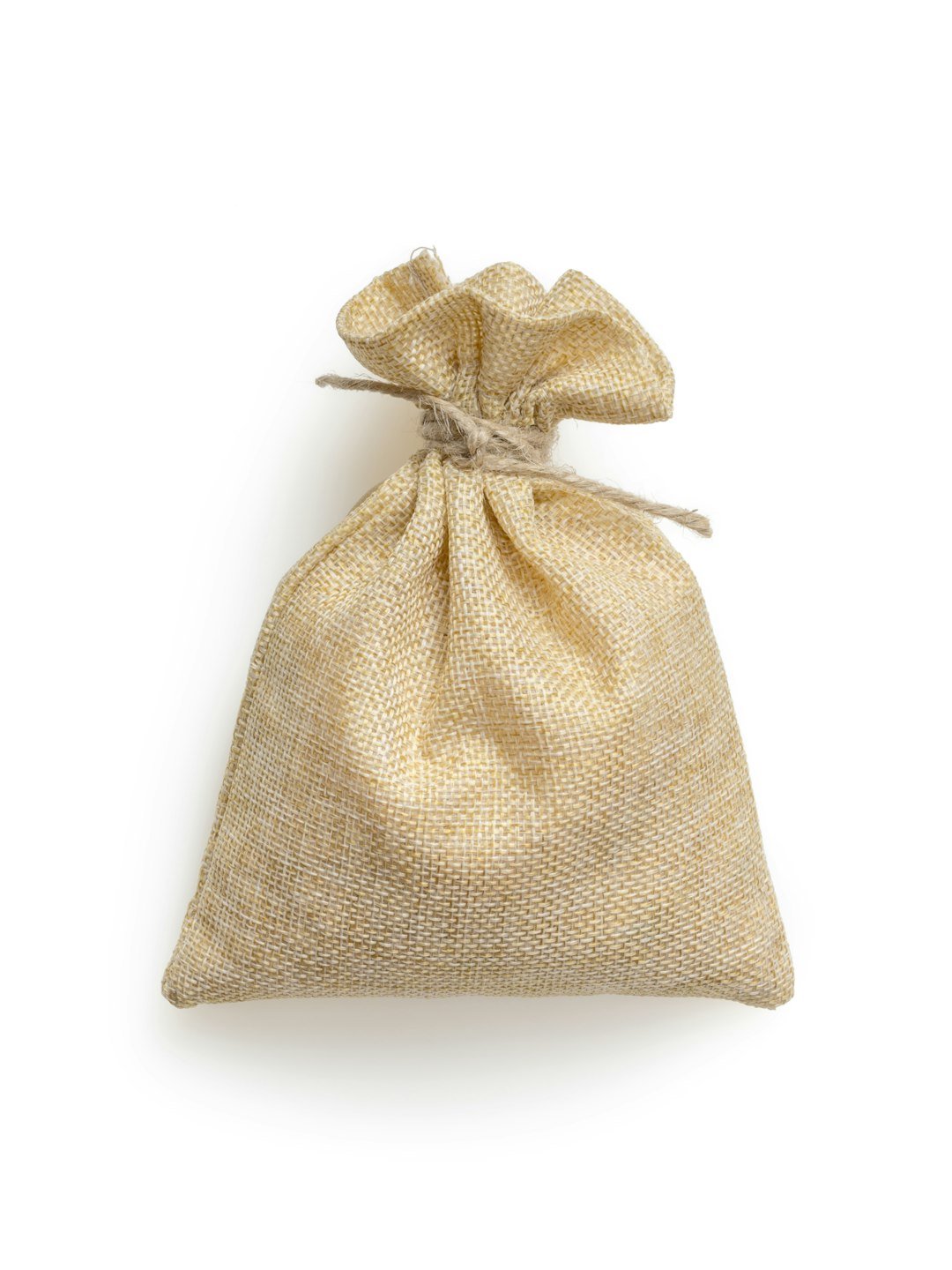
Drawstring cloth bags are versatile and practical. They can be made from soft cotton, linen, or velvet for a luxurious feel. These bags are perfect for items like scarves, lingerie, or delicate apparel that need gentle handling. Customizing the drawstring bag with your brand logo or a subtle pattern can make a memorable impression.
2. Cloth Gift Wrap
Inspired by the Japanese art of Furoshiki, cloth gift wrapping is gaining popularity in premium retail. This method involves wrapping apparel in a square piece of fabric and securing it with knots or ribbons. It creates an elegant presentation and eliminates the need for disposable wrapping materials.
3. Fabric Boxes and Pouches
Fabric-covered boxes or pouches combine the structural benefits of traditional packaging with the tactile appeal of cloth. Velvet or satin boxes, for instance, can be used for high-end shirts or accessories, adding a touch of sophistication while ensuring product safety during transit.
4. Branded Tote Bags
For larger apparel items like jackets or coats, cloth tote bags are a practical and stylish solution. Premium brands often use organic cotton or canvas totes with their branding subtly printed or embroidered. Customers appreciate the reusable aspect of tote bags, making it a functional and environmentally friendly packaging choice.
Apparel Packaging Ideas for Different Product Lines
Cloth packaging can be tailored to suit various types of apparel, from casual wear to luxury fashion lines. Here’s how you can implement apparel packaging ideas effectively:
1. Luxury Fashion
High-end fashion brands can use velvet or satin bags to package evening gowns, suits, or designer accessories. Embroidered logos, satin ribbons, and metallic accents can enhance the sense of exclusivity and attention to detail.
2. Everyday Apparel
For everyday clothing items like T-shirts, jeans, or casual dresses, soft cotton or linen bags work perfectly. Minimalistic prints, eco-friendly tags, and simple drawstring closures can create a clean, modern look while keeping the packaging sustainable.
3. Accessories and Small Apparel Items
For smaller items like scarves, ties, or belts, smaller cloth pouches can add elegance and convenience. Consider using contrasting colors or textures to make the packaging visually appealing and memorable.
4. Seasonal Collections and Gifts
Limited edition collections or gift sets can benefit from special cloth packaging designs. Seasonal patterns, festive prints, or even scented sachets inside the packaging can make the unboxing experience memorable and shareable on social media.
Benefits Beyond Aesthetics
While the aesthetic appeal of cloth packaging is undeniable, it also brings additional benefits that contribute to a brand’s long-term success:
Brand Loyalty: Customers are more likely to remember and return to brands that provide a thoughtful and premium packaging experience. Cloth packaging often becomes a keepsake, keeping your brand top-of-mind.
Social Media Appeal: In today’s digital age, packaging that looks good on camera can enhance your brand’s social media presence. Beautifully wrapped cloth packages encourage customers to share their purchases online.
Reduced Waste: By providing reusable packaging, brands can reduce waste and align with global sustainability goals, creating a positive brand image and appealing to eco-conscious shoppers.
Tips for Implementing Cloth Packaging Successfully
Choose the Right Fabric: The material should match your brand’s identity and product type. Soft fabrics like velvet or silk convey luxury, while cotton or linen suits a casual or eco-friendly image.
Consistency in Branding: Use consistent colors, logos, and design elements to ensure your packaging reinforces brand recognition.
Consider Practicality: Ensure that the packaging is functional and protects the product effectively. Reinforce seams, choose durable fabrics, and design closures that are easy to use.
Incorporate Personalization: Small touches like personalized tags, embroidery, or handwritten notes can create a connection between your brand and the customer.
Test for Customer Experience: Always test your packaging for usability. It should be easy to open, pleasant to touch, and make the customer feel valued.
Conclusion
Cloth packaging is more than just a trend—it’s a strategic choice for premium brands aiming to enhance their image, provide a memorable unboxing experience, and align with sustainable practices. By investing in high-quality cloth packaging, brands can differentiate themselves in a crowded market, foster customer loyalty, and make a lasting impression.
Whether you’re looking for packaging ideas for clothes or exploring creative apparel packaging ideas, cloth packaging offers a perfect blend of elegance, functionality, and environmental responsibility. In the world of premium branding, the way your products are presented is just as important as the products themselves, and cloth packaging is proving to be a winning choice.
HOW DO YOU FEEL ABOUT FASHION?
COMMENT OR TAKE OUR PAGE READER SURVEY
Featured




Modern wardrobes demand flexibility, and a designer maxi dress delivers exactly that.