
Why Jawbone Health Is the Key to Long-Term Implant Success
PAGE
By PAGE Editor
Introduction
Dental implants are widely recognized as one of the most effective solutions for replacing missing teeth. They look natural, function like real teeth, and offer a durable alternative to bridges or dentures. But while the crown may be the visible part of the implant, the real foundation lies deeper—within the jawbone itself.
The long-term success of a dental implant doesn’t rest solely on the implant material or the skill of the dentist. It depends significantly on the health and integrity of the jawbone that holds it. Without strong, healthy bone tissue, even the most advanced implant can fail.
Understanding the connection between jawbone quality and implant stability is essential for anyone considering this treatment. Here’s why your jaw matters more than you think.
The Role of the Jawbone in Dental Implant Stability
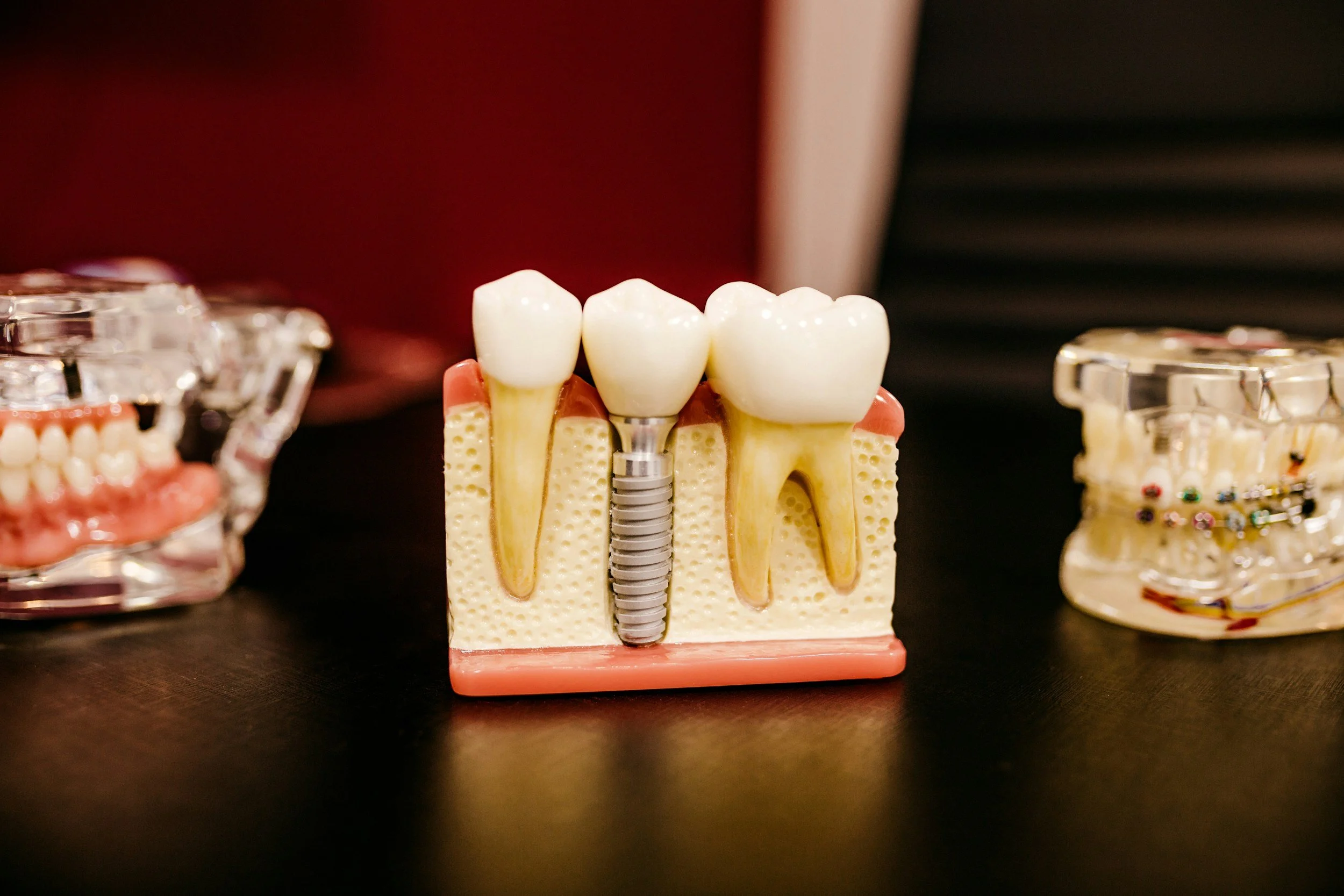
Dental implants are anchored directly into the jawbone through a small titanium post that acts as an artificial tooth root. Once inserted, the bone must integrate with the post in a process called osseointegration. This natural fusion ensures the implant remains stable during chewing, speaking, and daily activity.
For osseointegration to succeed, the jawbone must be:
Sufficient in volume to fully encase the implant
Dense and healthy enough to support load-bearing function
Free from infection or disease such as periodontal issues or untreated bone loss
Without these conditions, the implant may shift, fail to integrate, or become loose over time.
Why Bone Loss Happens After Tooth Loss
One of the most common causes of bone deterioration is the very problem dental implants aim to solve: missing teeth.
When a natural tooth is lost, the jawbone beneath it begins to shrink. This occurs because the root of a tooth stimulates bone growth through everyday pressure. Without that stimulation, the body begins reabsorbing the bone—a process known as resorption.
This loss can start within months of tooth extraction and continues over time. Eventually, the bone becomes too thin or weak to support a dental implant without surgical intervention.
Signs You May Need a Bone Graft Before Implants
Before an implant is placed, a comprehensive evaluation of jawbone health is standard practice. If bone loss is present, your provider may recommend a bone graft.
Common indicators include:
Tooth loss that occurred a year or more ago
Use of dentures that sit loosely due to bone shrinkage
An X-ray showing thin or uneven bone in the implant site
Loss of facial volume or sunken appearance near the jaw
Bone grafting restores lost tissue using natural or synthetic materials. It’s not always necessary—but when it is, it lays the groundwork for a secure, long-lasting result.
How Bone Density Affects Implant Longevity
It’s not just the volume of bone that matters—it’s the density too. A jawbone with low density may not provide enough support, especially for implants placed in high-stress zones like the back molars.
Low-density bone can lead to:
Longer healing times after surgery
Difficulty achieving full osseointegration
Micro-movement of the implant, leading to instability
In these cases, alternative implant techniques—like wider or longer implants, angled placement, or zygomatic implants—may be considered. A reputable dental implant center will assess these factors before recommending a plan.
Maintaining Jawbone Health After Implants
Once the implant is successfully placed and integrated, preserving jawbone health becomes part of your long-term care. Fortunately, implants actually help prevent future bone loss by restoring the stimulation that natural roots once provided.
To keep the jawbone—and the implant—healthy, patients should:
Maintain excellent oral hygiene to avoid gum disease
Avoid smoking, which impairs healing and bone health
Attend regular dental checkups for monitoring
Eat a balanced diet rich in calcium and vitamin D
Even after the surgical phase is complete, long-term success relies on consistent maintenance.
The Importance of Advanced Imaging and Evaluation
Modern dental implant planning involves more than just a clinical exam. Technology such as 3D cone beam imaging provides detailed visuals of bone volume, nerve pathways, and sinus cavities—all critical when planning the ideal implant position.
Using advanced tools allows your provider to:
Evaluate whether your bone can support an implant without grafting
Choose the right implant length and diameter
Minimize surgical risks by avoiding sensitive structures
Maximize aesthetic and functional outcomes
Clinics like Center For Implant Dentistry use this data-driven approach to design customized treatment plans based on real bone measurements—not guesswork.
When Jawbone Limitations Require Alternative Solutions
In some cases, severe bone loss may rule out conventional implants without extensive grafting. Fortunately, several alternatives can make implants possible even in complex situations:
All-on-4® implant systems: These use four implants per arch, often angled to maximize existing bone.
Zygomatic implants: Anchored in the cheekbone for patients with extreme upper jawbone loss.
Mini implants: Smaller diameter posts used in areas with limited bone volume (though not suitable for all cases).
A full-service dental implant center can guide patients through these options with both surgical expertise and restorative insight.
Final Thoughts
When people think about dental implants, they often imagine the visible crown or the act of chewing again with confidence. But beneath every successful implant lies a stable, healthy jawbone—doing the hard work of holding it all together.
Neglecting jawbone health can jeopardize outcomes, extend healing, or require more invasive procedures. Paying attention to bone structure early—through scans, assessments, and bone preservation strategies—lays the foundation for a lasting solution.
Whether you're exploring implants for the first time or seeking advice after previous treatment, understanding the bone beneath the tooth is essential. It’s not just about filling a gap—it’s about rebuilding a foundation for a lifetime of oral health.
HOW DO YOU FEEL ABOUT FASHION?
COMMENT OR TAKE OUR PAGE READER SURVEY
Featured





At LVMH Watch Week in Milan, Hublot sets the tone for 2026 by unveiling a bold lineup that fuses technical mastery, innovative materials, and high-profile collaborations—from the Novak Djokovic GOAT Tourbillon and 20th-anniversary Big Bang Original Unico to Samuel Ross designs, new chromatic explorations, and football-inspired limited editions.