
Why More Fleets Are Turning To On-Site Diesel Delivery

PAGE
By PAGE Editor
With gas prices increasing and the environment in the spotlight, fleet operators are rethinking how to power their operations. No longer is it a question of filling tanks up—it's a question of filling them up affordably, economically, and sustainably.
More and more, the question isn't "Should we fuel the pump?" but "Why aren't we capitalizing on on-site diesel delivery?" What used to be convenient—driving up to a fueling station—may be costing fleets much more in labor hours, idling time, and wasted fuel than they realize.
Smarter, more efficient choices are the new standard in a rush.
1. The Hidden Costs of Traditional Fueling
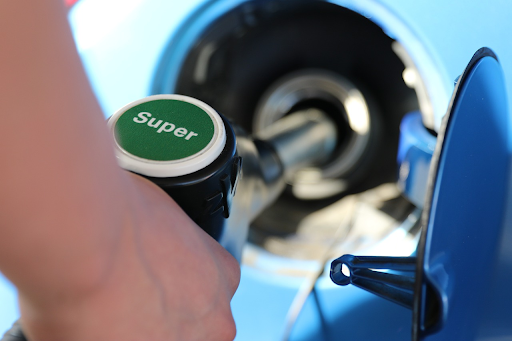
When drivers detour via gas stations, it's more than the cost per gallon that impacts the bottom line. Waiting in line, traffic jams, and detours all take their toll. Relatively small inefficiencies—such as idle time—magnify rapidly. To illustrate, long-duration idling accumulates around $1.13 per truck daily due to wear and fuel consumption. Consequently, every surprise fill-up can be cut into margins.
Furthermore, traditional fueling incurs wear and tear: another study concluded that skip-tipping by on-site fueling saved maintenance expenses and lengthened vehicle lifespan. So, pump downtime quietly erodes vehicle condition and fleet performance, not in one fill-up receipt but reflected in each service record and productivity chart.
2. Speed and Convenience with On‑Site Fuel Services
Modern fleets are turning to on site fuel services to reclaim those lost hours. Instead of having drivers go out to fuel, providers go to them. This action bypasses the need for any detour, allowing personnel to spend their time servicing routes or customers rather than idling.
Most fleets see tens of millions of gallons delivered on-site directly, with twice the benefit of saved time and the ability of drivers to begin routes completely. The streamlined process also permits better scheduling: delivery schedules can be customized for early morning, shift change, or weekend schedules.
3. Financial Benefits That Add Up
Bulk purchasing is economically advantageous. Fleets can save the retail pump markup and fluctuating pump prices by purchasing diesel in advance in quantity. For fleets consuming thousands of gallons monthly, tiny savings per gallon translate into tens of thousands of dollars annually.
Besides, the removal of fuel card charges and varying station prices reduces the administrative burden. Fuel consumption can be seen directly by fleet managers, who can budget and forecast more intelligently. Such fiscal honesty facilitates wiser resource distribution, from hiring to purchasing equipment.
4. Better Safety and Compliance
Petrol stations come with their risks: fuel spillage, blocked forecourts, and accidents. Having on-site fleets reduces exposure to road risk and the refueling being carried out in confined conditions. Included in that, crews specially trained in these deliveries follow environmental practices and safety procedures—there is no chance of mishaps.
This also improves inventory control. Barcode systems or fuel management software help track transactions and identify discrepancies in a timely manner. Thus, theft and loss are more easily identified and corrected, facilitating compliance and financial integrity.
5. Operational Flexibility and Scalability
Fixed timetables determine classic stations, but fleet operations don't always have to be bound by them. Overnight hours, weekend shifts, and job site mobilizations—whenever on-site, diesel delivery is in sync with your schedule, not the stations. Less time spent on coordinating fill-ups; more time spent on purposeful routes.
Moreover, mobile services make it possible to scale fleets. Seasonal growth, sudden spikes in demand, or deployment to distant locations no longer cause fuel logistics issues. With refueling included in the operation plan, managers gain predictability and continuity, without fuel as a chokepoint.

6. Sustainability Gains Through Idle Reduction
Besides cost savings and convenience, on-site fuel delivery also reduces emissions. Avoidance of unnecessary trips and idling results in overall fewer greenhouse gases being emitted. That aligns with many fleets' sustainability goals, especially in those industries under regulatory pressure or corporate ESG requirements.
Idle reduction isn't only an environmental win—it's also a cost-win situation. As the engine and idle technology advance, fleets recognize that off-route fueling can eliminate much of that benefit. On-site delivery complements engine upgrades and idle reduction initiatives, enabling fleets to tackle their carbon footprint comprehensively.
7. Overcoming Implementation Challenges
Strong advantages notwithstanding, delivery on-site must be planned very carefully. Infrastructure, licensing, and safety regulations—particularly those related to underground storage—may be deterrents. Additionally, initial investment in coordination systems and contract planning requires consideration.
Yet, such initial investments serve as longer-term dividends. Time saved, cost avoided, and risk reduced through data-driven analysis typically secure internal sign-off. Installed on-site diesel delivery usually pays for itself in a year, through fuel budget control and operational efficiency.
Cross-functional collaboration occurs when organizations gain operations, procurement, safety, and finance to align plans to reduce rapid and compliant take-up.

8. Planning for the Future
With on-site delivery, there is a foundation for innovative fuel management: monitoring inventory, emissions information, and use information. That makes introducing new fuels like renewable diesel or biofuels easy when they become available.
In addition, the exact delivery model can be used for off-road equipment, generator refuelling, or emergency response fleets. It gives an operating advantage across various industries, from construction to municipal services. With ongoing electrification, these systems can include battery swapping or electric charging blends.
Conclusion
Embracing on-site delivery of diesel isn't about flashy technology or tricks—It's about actual, steady gains. By reducing downtime, improving safety, and gaining financial control, the tactic allows fleets to operate more reliably and capably.
Managers should think of fuel in the future as not just a resource but as an asset. To manage it wisely—through delivery, tracking, and analysis—makes a tougher, more productive, and mission-ready fleet.
HOW DO YOU FEEL ABOUT FASHION?
COMMENT OR TAKE OUR PAGE READER SURVEY
Featured





When investing in quartz countertops, choosing the right warranty and care package is just as important as selecting the color and finish.