
Why Your HVAC System Might Be Costing You More Than You Think
PAGE
By PAGE Editor
Your monthly energy bill arrives, and you do a double-take at the number. Sound familiar? While many homeowners blame rising utility costs or inefficient appliances, the real culprit might be lurking in plain sight: your HVAC system, notes Specialized Property Management Phoenix experts team.
Heating, ventilation, and air conditioning systems account for nearly half of the average home's energy consumption. When these systems operate inefficiently or develop problems, the financial impact extends far beyond higher utility bills. Understanding the hidden costs of a malfunctioning HVAC system can help you make informed decisions about maintenance, repairs, and when to call professionals.
The True Cost of Ignoring HVAC Problems
Most homeowners notice obvious signs like complete system failure or rooms that won't reach the desired temperature. However, subtle inefficiencies can drain your wallet for months before becoming apparent.
A struggling HVAC system works harder to maintain comfortable temperatures, consuming significantly more energy in the process. This increased workload doesn't just impact your monthly bills—it accelerates wear and tear on expensive components. What might have been a simple fix becomes a major repair when left unaddressed.
Energy Waste: The Silent Budget Killer
When HVAC systems develop issues, they often compensate by running longer cycles or operating at maximum capacity. A system that once cycled on and off efficiently might start running continuously, desperately trying to reach thermostat settings.
Common problems that spike energy consumption include:
Dirty Air Filters: Clogged filters force your system to work harder to pull air through, increasing energy use by up to 15%. Many homeowners forget this simple maintenance task, unknowingly paying hundreds extra each year.
Refrigerant Leaks: Low refrigerant levels prevent proper heat transfer, causing air conditioning units to run longer without effectively cooling your home. This problem compounds over time as the system struggles more intensely with each passing day.
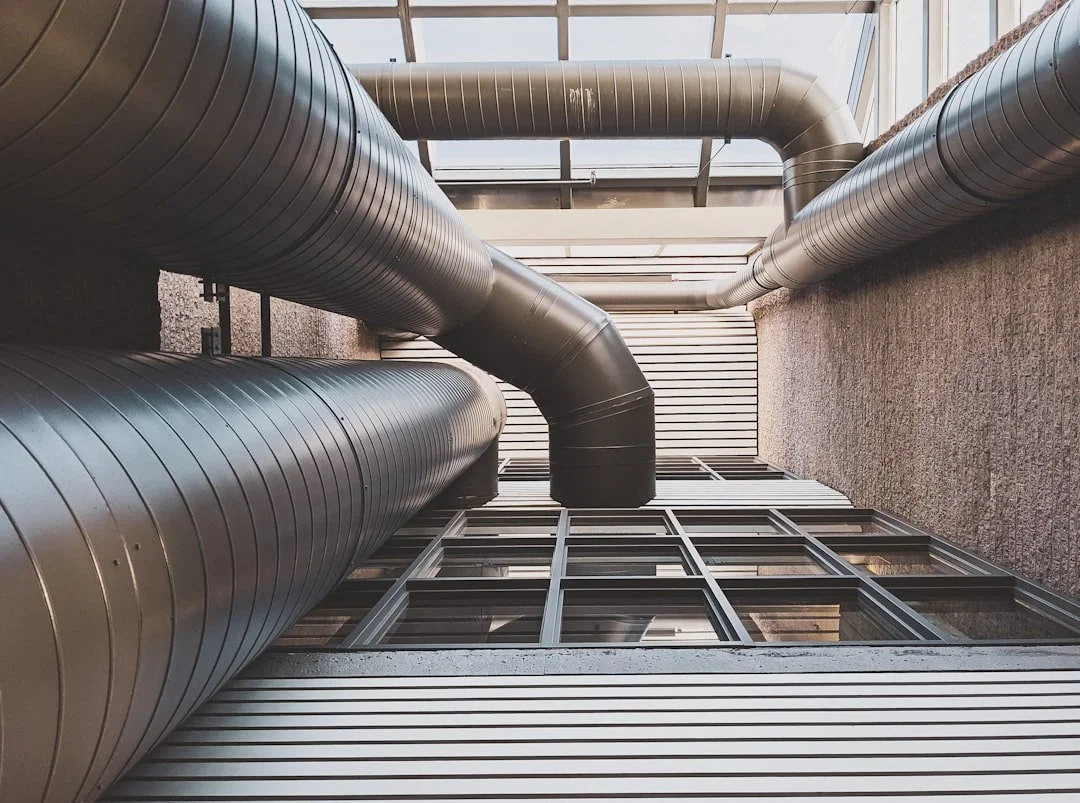
Ductwork Issues: Leaky or poorly insulated ducts allow conditioned air to escape before reaching its destination. The Department of Energy estimates that typical duct systems lose 20-30% of conditioned air through leaks and poor connections.
Aging Equipment: Older systems naturally become less efficient, but sudden drops in performance often signal specific problems that professional HVAC repair can address.
Beyond Energy Bills: Hidden Financial Impacts
The financial consequences of HVAC problems extend beyond monthly utility costs. Deferred maintenance and ignored warning signs create a cascade of expensive issues.
Premature Equipment Replacement: Systems that work harder due to unresolved problems wear out faster. A well-maintained HVAC system can last 15-20 years, while neglected equipment might require replacement after just 10-12 years. The difference represents thousands of dollars in premature capital expenditure.
Water Damage: Clogged condensate drains, frozen evaporator coils, and other HVAC malfunctions can cause water leaks that damage flooring, walls, and personal belongings. Insurance doesn't always cover damage from maintenance-related issues.
Indoor Air Quality Problems: Malfunctioning ventilation systems can create humidity problems, leading to mold growth and air quality issues that affect both health and property values. Professional remediation becomes necessary when prevention would have been simple and affordable.
Recognizing the Warning Signs
Your HVAC system communicates problems through various signals. Learning to recognize these early warnings can save significant money and prevent major breakdowns.
Temperature inconsistencies between rooms often indicate airflow problems, ductwork issues, or failing components. Strange noises—grinding, squealing, or banging—suggest mechanical problems that worsen without attention. Unusual odors, especially musty or burning smells, require immediate investigation.
Higher humidity levels despite air conditioning operation might signal refrigerant problems or inadequate ventilation. Frequent cycling, where the system turns on and off more often than usual, indicates efficiency problems that increase energy consumption.
The Economics of Professional HVAC Repair
Many homeowners hesitate to call professionals due to service costs, but this perspective overlooks the economics of preventive care versus emergency repairs. Professional HVAC repair typically costs a fraction of major component replacement or system failure.
Qualified technicians identify multiple issues during service calls, addressing problems before they cascade into expensive failures. They also optimize system performance, often improving efficiency enough to offset service costs through reduced energy consumption.
Companies like NexAir Home Services provide comprehensive diagnostics that reveal the true condition of your system. Their technicians understand how different components interact and can predict potential failures before they occur.
Smart Maintenance Strategies
Proactive maintenance represents the most cost-effective approach to HVAC ownership. Regular professional service combined with basic homeowner maintenance prevents the most expensive problems.
Change air filters regularly based on manufacturer recommendations and household conditions. Homes with pets, smokers, or family members with allergies may require more frequent filter changes. Keep outdoor units clear of debris, vegetation, and obstructions that restrict airflow.
Schedule professional maintenance annually, ideally before heavy-use seasons. Spring tune-ups prepare air conditioning systems for summer demands, while fall service ensures heating systems operate efficiently through winter.
When DIY Isn't Enough
While homeowners can handle basic maintenance tasks, complex HVAC systems require professional expertise for repairs and optimization. Refrigerant handling requires special licensing and equipment. Electrical components pose safety hazards for untrained individuals.
Modern HVAC systems incorporate sophisticated controls and sensors that require diagnostic equipment for proper troubleshooting. Attempting repairs without proper knowledge often causes additional damage that increases repair costs.
Technology and Efficiency Improvements
Advancing HVAC technology offers opportunities to reduce operating costs while improving comfort. Smart thermostats optimize system operation based on occupancy patterns and weather conditions. Variable-speed components adjust output to match actual demand rather than running at full capacity.
Professional technicians stay current with these technologies and can recommend upgrades that provide favorable returns on investment. They understand local climate conditions and can suggest modifications that work best in your specific environment.
Making Smart Investment Decisions
Not every HVAC problem requires major expenditure. Experienced professionals help homeowners understand which repairs provide good value versus when replacement makes more financial sense.
Age, efficiency ratings, repair history, and expected remaining lifespan all factor into these decisions. Sometimes a moderate investment in repairs extends system life significantly, while other situations warrant immediate replacement to avoid throwing money at failing equipment.
Protecting Your Investment
HVAC repair plays a vital role in extending the life of your system, maintaining energy efficiency, and protecting your home’s comfort while avoiding costly breakdowns that come from neglected issues.
Your HVAC system represents a significant investment that affects daily comfort and ongoing expenses. Protecting this investment through proper maintenance and timely repairs prevents the hidden costs that drain budgets over time.
Don't let a struggling HVAC system drain your finances through inefficiency and deferred maintenance. Address problems promptly, maintain your system properly, and work with experienced professionals who understand the economics of HVAC ownership. Your comfort and your wallet will benefit from this proactive approach.
HOW DO YOU FEEL ABOUT FASHION?
COMMENT OR TAKE OUR PAGE READER SURVEY
Featured




At LVMH Watch Week in Milan, Hublot sets the tone for 2026 by unveiling a bold lineup that fuses technical mastery, innovative materials, and high-profile collaborations—from the Novak Djokovic GOAT Tourbillon and 20th-anniversary Big Bang Original Unico to Samuel Ross designs, new chromatic explorations, and football-inspired limited editions.