
Your Complete Guide to Residential Roofing: Materials, Costs, and Maintenance
PAGE
By PAGE Editor
Your roof does more than just complete your home's appearance. It's your first line of defense against rain, snow, wind, and extreme temperatures. The Real Property Management Services team emphasizes that understanding residential roofing options, maintenance requirements, and replacement timelines can save you thousands of dollars and protect your most valuable investment.
This comprehensive guide covers everything homeowners need to know about residential roofing systems. You'll learn about different roofing materials, typical costs, warning signs that indicate repairs or replacement, and essential maintenance tips to extend your roof's lifespan.
Whether you're building a new home, dealing with storm damage, or planning for future roof replacement, this information will help you make informed decisions about your residential roofing needs.
Understanding Different Residential Roofing Materials
Asphalt Shingles
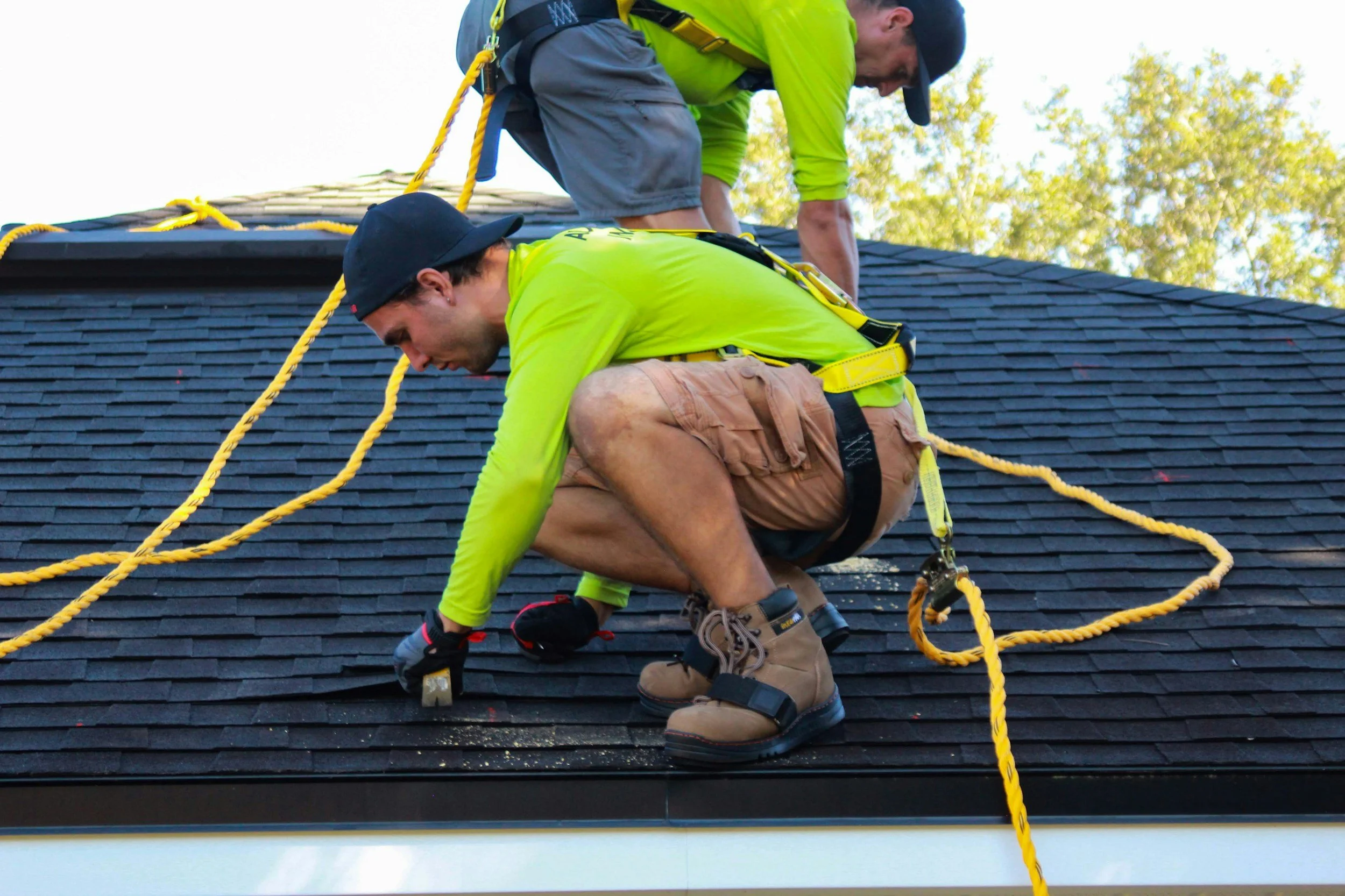
Asphalt shingles remain the most popular choice for residential roofing across America. They offer an excellent balance of affordability, durability, and ease of installation. Three-tab shingles provide basic protection at the lowest cost, while architectural shingles offer enhanced durability and visual appeal with their dimensional appearance.
Most asphalt shingles last 20-30 years with proper maintenance. They perform well in various climates and come in numerous colors to complement your home's exterior design. The lightweight nature of asphalt shingles means they work with most existing roof structures without requiring additional reinforcement.
Metal Roofing Systems
Metal roofing has gained popularity among homeowners seeking long-term value and energy efficiency. Steel, aluminum, and copper options each offer unique benefits. Steel provides excellent strength and wind resistance, while aluminum resists corrosion in coastal environments. Copper develops an attractive patina over time and can last over 100 years.
Modern metal roofing systems feature advanced coatings that reflect heat, potentially reducing cooling costs by 10-25%. Many metal roofs qualify for energy-efficient tax credits and insurance discounts due to their superior weather resistance and fire protection.
Clay and Concrete Tiles
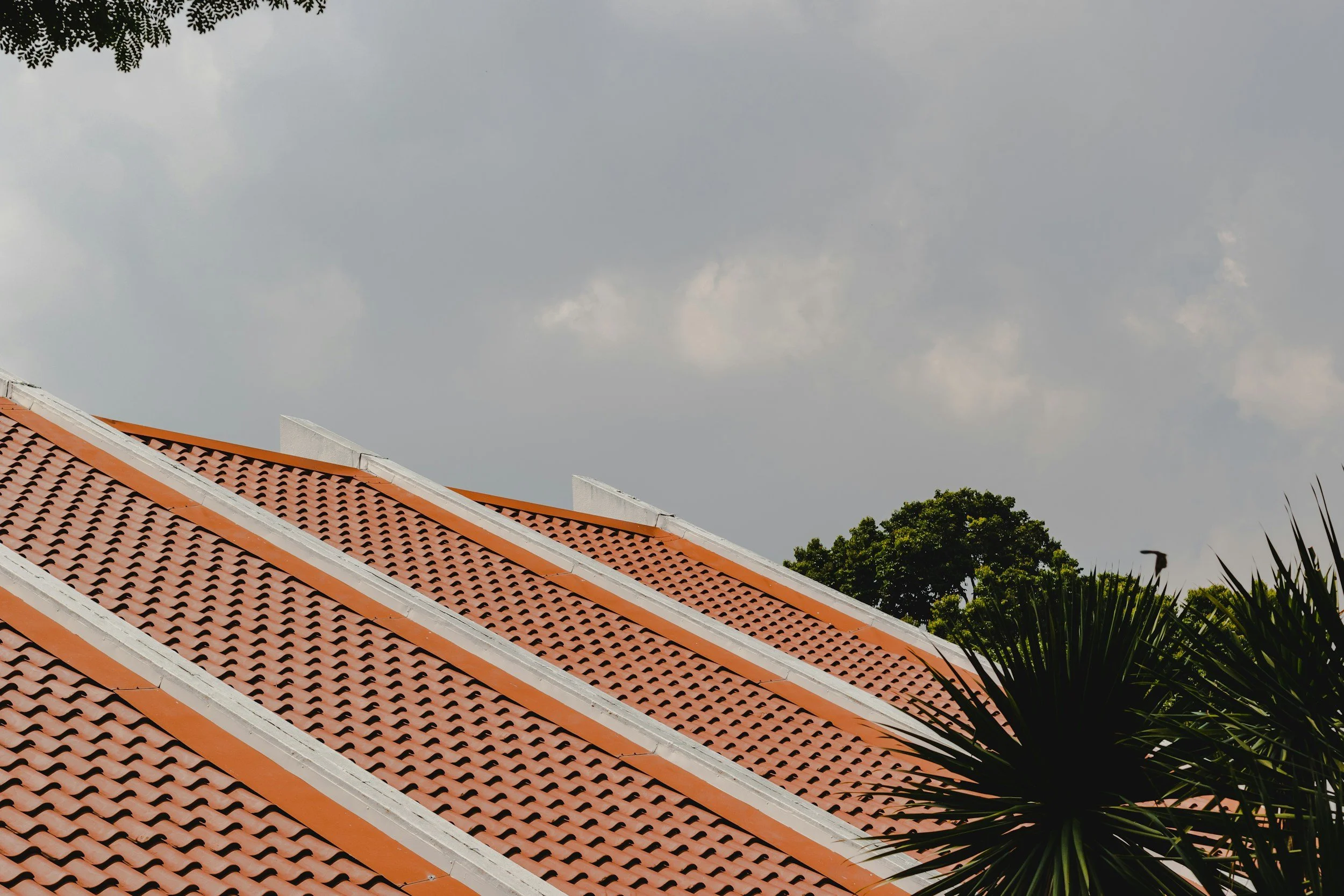
Tile roofing excels in hot, dry climates and areas with intense sun exposure. Clay tiles offer traditional Mediterranean or Spanish-style aesthetics, while concrete tiles can mimic various materials, including wood shake and slate. Both options provide excellent insulation properties and fire resistance.
The main considerations with tile roofing include weight and cost. Most homes require structural reinforcement to support tile roofing systems. However, the 50-100 year lifespan often justifies the higher upfront investment for homeowners planning to stay long-term.
Slate Roofing
Natural slate represents the premium end of residential roofing materials. Each slate tile is unique, creating distinctive patterns and textures. Properly installed slate roofing can last 75-150 years, making it a lifetime investment for many homeowners.
Slate requires experienced installers due to the material's weight and specialized installation techniques. The high upfront cost reflects both material expenses and skilled labor requirements. However, slate roofing adds significant value to historic homes and luxury properties.
Residential Roofing Costs and Budgeting
Factors Affecting Roofing Costs
Several variables influence the total cost of residential roofing projects. Roof size measured in squares (100 square feet each) forms the baseline calculation. Roof pitch, complexity, and accessibility affect labor requirements and safety considerations.
Material choice creates the largest cost variation. Basic asphalt shingles might cost $3-5 per square foot installed, while premium materials like slate or copper can range from $15-25 per square foot. Geographic location also impacts costs due to local labor rates and material availability.
Hidden Costs to Consider
Roofing projects often reveal additional work needs once the old roof comes off. Damaged decking, inadequate ventilation, or outdated flashing systems require attention for proper installation. Budget an additional 10-20% beyond initial estimates to handle unexpected discoveries.
Permit fees, dumpster rental, and temporary protective measures add to project costs. Some neighborhoods require architectural review for roofing changes, potentially delaying projects and increasing expenses.
Financing Options
Many roofing contractors offer financing programs to help homeowners manage large expenses. Home equity loans or lines of credit typically provide lower interest rates than contractor financing. Some utility companies offer rebates or financing for energy-efficient roofing materials.
Insurance coverage may apply if storm damage necessitates roof replacement. Document any damage thoroughly and work with your insurance adjuster to understand coverage limits and deductible requirements.
Signs Your Roof Needs Attention
Interior Warning Signs
Water stains on ceilings or walls indicate potential roof leaks that require immediate investigation. Dark spots, peeling paint, or musty odors often signal moisture intrusion. Check your attic regularly for signs of daylight coming through the roof structure.
Increased energy bills might indicate compromised roof insulation or ventilation. Ice dams forming along roof edges during winter suggest inadequate attic insulation and ventilation systems.
Exterior Inspection Points
Walk around your home regularly to spot potential roofing issues early. Missing, cracked, or curling shingles need prompt replacement to prevent water damage. Granule loss from asphalt shingles accelerates as roofs age, leaving dark patches visible from ground level.
Check gutters for excessive granules or roofing material debris after storms. Damaged flashing around chimneys, vents, and roof penetrations creates common leak points. Sagging roof lines indicate structural problems requiring professional evaluation.
Age-Related Considerations
Most residential roofing systems show significant wear after 20-25 years, depending on materials and climate exposure. Even without obvious damage, aging roofs become less weather-resistant and energy-efficient. Plan replacement projects during favorable weather conditions rather than waiting for emergency situations.
Consider roof replacement when major home renovations provide opportunities to coordinate work. Replacing roofing before siding or window projects prevents potential damage to new exterior improvements.
Essential Roof Maintenance Tips
Seasonal Maintenance Tasks
Spring inspections help identify winter damage and prepare for storm season. Clean gutters and downspouts to ensure proper drainage. Trim overhanging tree branches that could damage roofing during storms.
Fall preparation includes another thorough gutter cleaning and inspection for loose or damaged materials. Remove debris from roof surfaces and check that all penetration seals remain intact.
Professional vs. DIY Maintenance
Homeowners can safely perform ground-level inspections and basic gutter maintenance. However, walking on roofs creates safety risks and potential damage to roofing materials. Professional roofers have the proper equipment and experience to identify problems safely.
Annual professional inspections cost much less than emergency repairs. Many roofing contractors offer maintenance programs that include regular inspections and minor repairs.
Ventilation and Insulation
Proper attic ventilation prevents moisture buildup and reduces energy costs. Ridge vents, soffit vents, and attic fans work together to maintain airflow. Blocked or inadequate ventilation leads to ice dams, shortened shingle life, and higher cooling costs.
Insulation levels affect both energy efficiency and roof performance. Insufficient insulation allows heat transfer that can damage roofing materials and create ice-dam conditions.
Choosing the Right Roofing Contractor
Research and Credentials
Licensed, bonded, and insured contractors protect homeowners from liability and ensure quality work. Check local licensing requirements and verify credentials through appropriate state agencies. Better Business Bureau ratings and online reviews provide insights into contractor reliability.
Request multiple detailed quotes that break down material and labor costs. Compare warranty terms and project timelines. Reputable contractors provide written estimates and contracts that clearly outline all work specifications.
Red Flags to Avoid
Door-to-door contractors following storms often use high-pressure tactics and may lack proper licensing. Avoid contractors who demand full payment upfront or significantly underbid compared to other estimates. Cash-only deals and missing written contracts indicate potential problems.
Be suspicious of contractors who claim they can get insurance companies to waive deductibles or guarantee claim approvals. Legitimate contractors work within insurance guidelines and help document damage appropriately.
Making Smart Roofing Decisions for Your Home
Residential Roofing represents a significant investment that affects your home's protection, value, and energy efficiency for decades. Understanding your options, maintaining your current roof properly, and choosing qualified contractors when replacement becomes necessary helps ensure you get maximum value from your roofing investment.
Start by assessing your current roof's condition and remaining lifespan. Budget for eventual replacement even if your roof currently performs well. Research material options that suit your climate, home style, and long-term plans.
Remember that the lowest bid isn't always the best value. Quality materials and skilled installation prevent costly problems and extend your roof's lifespan. Invest in proper maintenance and address minor issues promptly to protect your investment and maintain your home's comfort and safety.
HOW DO YOU FEEL ABOUT FASHION?
COMMENT OR TAKE OUR PAGE READER SURVEY
Featured



The road culture of Calgary is impacted by a variety of factors. Industrial hauling, daily commuting, long stretches of highway, and winter driving can often leave a mechanical imprint on the trucks.