
Your House Isn’t Dirty—It’s Layered: The Truth About Hidden Grime and Why It Matters
PAGE
By PAGE Editor
Most people look around their homes and think, “It looks clean, so it must be clean.”
And in many ways, it is. Counters get wiped, floors get vacuumed, dishes get done. But ask anyone who’s ever moved a couch or wiped behind a fridge—cleanliness has layers.
What you see is only part of the story.
In fact, the most persistent grime in your home doesn’t live in plain sight. It collects in corners, clings to fibers, builds in crevices, and coats places that rarely (if ever) get a second look. This is where a true understanding of house cleaning and deep cleaning makes a difference—not just for appearance, but for air quality, wellness, and the long-term health of your space.
The Myth of “Clean Enough”
Let’s start with a tough truth: most homes that look clean are still carrying layers of build-up that surface cleaning doesn’t address.
Think about these areas:
Ceiling fans that collect invisible dust until blades are turned off.
Baseboards gathering scuff marks, hair, and lint in silence.
Kitchen cabinet fronts coated in microscopic grease from months of cooking.
Bathroom grout slowly tinting a darker shade without anyone noticing.
Air vents pushing dust through the home with each cycle.
These don’t appear dirty at first glance. But over time, these layers become a quiet collection of allergens, bacteria, and grime that aren’t removed by typical cleaning routines.
This is where deep cleaning earns its name—not as an optional luxury, but as a necessary reset for your living environment.
Surface Clean vs. Deep Clean: What’s the Real Difference?
Regular house cleaning focuses on the visible: wiping, sweeping, organizing, refreshing. It’s what keeps a home livable and presentable.
Deep cleaning, however, targets what’s beneath the surface:
Scrubbing baseboards and trim.
Dusting vents, blinds, and high ledges.
Descaling faucets and removing buildup from showerheads.
Cleaning behind appliances—not just around them.
Lifting rugs to vacuum or clean the flooring underneath.
These tasks aren’t glamorous, but they’re what truly resets a space. Without them, homes gradually decline—becoming more difficult to clean over time and less comfortable to live in.
Why Dirt Builds Without You Noticing
Life is busy. No one is expected to deep clean every week. But one of the reasons grime builds unnoticed is because it does so incrementally.
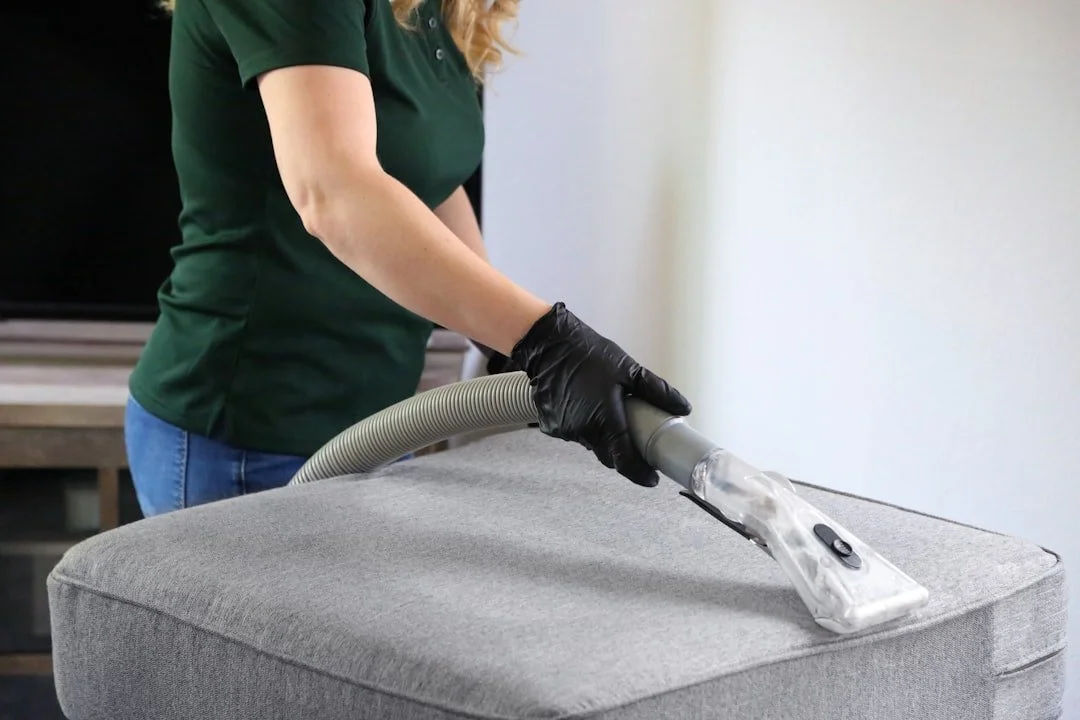
You don’t see the grout change color all at once—it darkens slowly. You don’t notice the layer of dust behind the TV console until you move it. That “not quite fresh” smell in a room? It’s often the result of unseen buildup in soft surfaces like curtains or upholstered furniture.
And when cleaning is only done to the level of visual satisfaction, these problems are allowed to grow quietly.
It’s not about being messy—it’s about awareness.
Seasonal Cleaning Doesn’t Cover It All
Many homeowners reserve deep cleaning for “spring cleaning” or when guests are expected. But even seasonal efforts tend to focus on reorganization rather than sanitation.
Decluttering closets and rearranging furniture helps reset energy, yes. But it doesn’t touch the layers of dirt in your air vents, under furniture, or within the fibers of rugs and curtains.
These layers only disappear when specifically targeted—something professional cleaners know how to identify and resolve.
Summit Maids approaches house cleaning with this mindset. It’s not just about today’s appearance—it’s about reducing what your home holds onto between cleanings.
The Impact on Wellness
If deep cleaning sounds excessive, consider how much of your time is spent indoors. The Environmental Protection Agency estimates that people spend 90% of their time inside. And indoor air can be up to five times more polluted than outdoor air.
Much of that pollution comes from:
Dust and dander.
Mold spores from damp areas.
Volatile organic compounds (VOCs) from cleaners, paints, or materials.
Pollen brought in on shoes and clothing.
Smoke particles from candles or cooking.
Regular deep cleaning improves indoor air quality, which has direct benefits for allergy sufferers, asthmatics, children, and pets.
It’s not about spotless perfection—it’s about breathable space.
How to Tell When It’s Time for a Deep Clean
Here are subtle signs that your home may need more than a surface refresh:
Rooms feel stuffy despite open windows.
You notice a musty or stale smell.
Dust returns quickly after wiping.
Allergies flare up indoors more than outdoors.
You’ve lived in the space for a year or more without a full reset.
You don’t need to wait for an obvious mess. Deep cleaning works best as a preemptive measure—done before issues build into problems.
The Psychology of Truly Clean Spaces
Clean spaces are more than hygienic—they’re calming. Studies consistently show that cleaner environments reduce anxiety, improve focus, and increase productivity.
But here’s the thing: the brain is good at adapting. If you’ve lived with low-level mess or clutter for long enough, it begins to feel normal.
That’s why a deep clean often feels like a refresh of the home itself. You don’t just see the difference—you feel it. Breathing feels easier. Surfaces feel lighter. Movement feels easier. The space begins to support you again, not distract you.
Hidden Cleaning Areas You’re Probably Missing
Even conscientious cleaners often overlook these spots:
Tops of picture frames and mirrors.
Behind toilets near the floor.
Under kitchen sink plumbing.
Window tracks.
Inside cabinet corners.
Under rugs and mats.
Light switch plates and doorknobs.
When deep cleaning becomes part of your overall home care rhythm, these spots no longer accumulate grime—they stay manageable.
Make Deep Cleaning a Habit, Not a Hassle
You don’t need to deep clean weekly. You just need a schedule that keeps buildup from becoming burden.
Every three to six months is a great rule of thumb for full deep cleaning. In between, your regular cleaning can focus on maintenance—knowing that the layers beneath are being handled.
Partnering with a service like Summit Maids helps ensure that your deep cleaning is truly thorough, without adding stress to your routine.
Conclusion: Clean Is a Feeling—Not Just a Look
It’s easy to feel like cleaning is a checklist. But real cleanliness isn’t about keeping up appearances—it’s about reclaiming your space from what builds over time.
When you begin to think of your home as layered, not just lived-in, you start to see the value of going deeper. Deep cleaning isn’t extra—it’s essential. It clears out the quiet messes. The forgotten corners. The air you breathe and the surfaces you trust.
So the next time your house looks clean, ask yourself: how does it feel?
HOW DO YOU FEEL ABOUT FASHION?
COMMENT OR TAKE OUR PAGE READER SURVEY
Featured



When investing in quartz countertops, choosing the right warranty and care package is just as important as selecting the color and finish.