
5 Critical Mistakes That Can Turn Traffic Stop Into a DUI Conviction

PAGE
By PAGE Editor
Every year, thousands of Maryland drivers transform routine traffic stops into life-altering DUI arrests through seemingly innocent mistakes. These errors don't just happen to reckless drivers—they affect professionals, parents, and everyday citizens who never imagined they'd face criminal charges. Understanding these critical mistakes before you encounter law enforcement could mean the difference between driving home with a warning and spending the night in jail with charges that follow you for years.
The High Stakes of Maryland DUI Charges
Maryland takes drunk driving seriously—very seriously.
The numbers tell a sobering story.
According to the Maryland Department of Transportation, there were 15,866 impaired driving crashes in 2023 alone. These crashes resulted in 120 fatalities and thousands of injuries.
But here's what many drivers don't realize:
A DUI conviction in Maryland carries consequences that extend far beyond fines and jail time. You're looking at license suspension, skyrocketing insurance rates, employment difficulties, and a permanent criminal record.
The financial impact? Often exceeds $10,000 when you factor in legal fees, fines, increased insurance premiums, and lost wages.
That's why understanding your rights and avoiding critical mistakes during a traffic stop is essential. If you're facing charges, consulting with a Scheuerman Law dui lawyer immediately can make the difference between a conviction and a dismissal.
Mistake #1: Volunteering Too Much Information
The moment those red and blue lights flash in your rearview mirror, your adrenaline spikes.
It's natural to feel nervous. Even completely sober drivers experience anxiety during traffic stops.
But here's where many drivers seal their fate:
They talk too much.
Common verbal mistakes include:
Admitting to drinking "just two beers" (officers hear this constantly)
Explaining where you've been in unnecessary detail
Trying to justify your driving behavior
Apologizing repeatedly for things you haven't been accused of
Remember: You have the right to remain silent beyond providing license, registration, and insurance.
Officers are trained to listen for admissions. They document everything you say. Even innocent comments can be twisted into evidence of impairment.
The smart approach? Be polite but brief. Answer required questions with simple yes or no responses. Don't elaborate unless legally required.
Mistake #2: Failing Field Sobriety Tests You Never Had to Take
Here's something that shocks most Maryland drivers:
Field sobriety tests are voluntary.
You read that correctly. Those roadside gymnastics—walking heel-to-toe, standing on one leg, following a pen with your eyes—are optional.
Yet officers rarely mention this fact.
Instead, they present these tests as mandatory, using language like "I need you to step out and perform some tests."
Why field sobriety tests stack the deck against you:
They're subjective—the officer decides if you "pass"
Medical conditions, injuries, and even shoes affect performance
Nervousness alone can cause failure
Video evidence often looks worse than reality
Even sober people fail these tests regularly
According to the National Highway Traffic Safety Administration's own data, the horizontal gaze nystagmus test is only 77% accurate under ideal conditions. The walk-and-turn test? Just 68% accurate.
That means roughly one in three completely sober people fail these "scientific" tests.
Mistake #3: Misunderstanding Maryland's Implied Consent Law
Maryland's implied consent law creates massive confusion.
Here's what drivers get wrong:
They think implied consent means they must submit to everything. It doesn't.
Implied consent specifically applies to chemical testing (breath or blood) AFTER arrest. Not before. Not to field sobriety tests. Not to preliminary breath tests at the roadside.
The critical distinction:
Preliminary breath test at the scene: Voluntary (though refusal can be used as evidence)
Chemical test after arrest: Refusal triggers automatic license suspension
Even then, the penalties for refusal might be less severe than a DUI conviction, depending on your circumstances.
This is complex territory where split-second decisions have long-term consequences. Understanding your specific situation requires legal expertise.
Mistake #4: Believing the "Cooperation Will Help" Myth
Officers often suggest that cooperation will result in leniency.
"If you're honest with me, I'll work with you."
"Help me help you."
"We can make this easy or hard."
These statements create false hope.
The reality? Once an officer suspects DUI, they're building a case. Your cooperation simply provides more evidence.
Maryland law enforcement agencies have strict DUI enforcement policies. Individual officers rarely have discretion to "let someone off" once the investigation begins.
What cooperation actually gets you:
More documented evidence against you
Statements that can't be retracted
Test results that become permanent record
Reduced leverage for your defense attorney
This doesn't mean be rude or combative. Polite assertion of your rights is perfectly legal and often the smartest strategy.
Mistake #5: Waiting Too Long to Hire Legal Representation
The biggest mistake happens after the arrest:
Waiting to hire an attorney.
Many drivers think they'll save money by waiting. They assume they can handle the initial stages alone.
This delay costs them critical opportunities.
Why immediate legal action matters:
Evidence disappears (surveillance video, witness memories)
Administrative deadlines pass (license suspension hearings)
Prosecutor's offers become less favorable
Defense strategies become limited
Maryland gives you just 10 days to request an MVA hearing to challenge license suspension. Miss this deadline? Your license is automatically suspended regardless of your criminal case outcome.
Understanding Your Rights During a Maryland Traffic Stop
Knowledge is power, especially during police encounters.
Every Maryland driver should know these fundamental rights:
You have the right to:
Remain silent beyond basic identification
Refuse field sobriety tests
Refuse preliminary breath tests (with potential consequences)
Request an attorney before answering questions
Record the encounter (Maryland is a two-party consent state for audio)
Refuse vehicle searches without probable cause
Exercising these rights isn't admission of guilt. It's smart self-protection.
The Real Cost of a Maryland DUI Conviction
Let's talk numbers that matter.
A first-offense DUI in Maryland can result in:
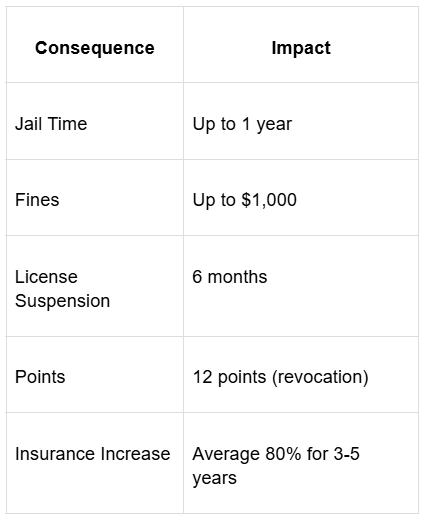
But the hidden costs hurt even more:
Employment consequences. Many employers terminate workers with DUI convictions. Professional licenses face suspension. Background checks reveal convictions for years.
Educational impacts. Scholarships disappear. Graduate school applications suffer. Student loan eligibility changes.
Personal relationships strain under the pressure of legal proceedings, financial stress, and transportation challenges.
How Maryland DUI Laws Differ from Neighboring States
Maryland's DUI laws contain unique provisions that catch out-of-state drivers off guard.
Unlike Virginia, Maryland has two separate impaired driving charges: DUI (driving under the influence) and DWI (driving while impaired).
The distinction matters:
DWI: BAC of 0.07% or impairment by alcohol
DUI: BAC of 0.08% or higher, or substantial impairment
Pennsylvania drivers might expect ARD (Accelerated Rehabilitative Disposition) programs. Maryland's probation before judgment (PBJ) works differently, with stricter eligibility requirements.
Delaware's administrative license revocation happens immediately. Maryland provides that 10-day window to challenge suspension.
These differences make local legal knowledge crucial for effective defense.
Building Your Defense Strategy
Every DUI case contains potential defenses.
Skilled attorneys examine:
The initial stop: Did officers have reasonable suspicion? Was the traffic violation legitimate? Were checkpoint procedures followed?
Testing procedures: Were breathalyzers calibrated? Did officers follow the 20-minute observation period? Were blood samples properly handled?
Constitutional violations: Were Miranda rights provided? Did illegal searches occur? Was evidence properly preserved?
Medical factors: Do you have conditions affecting test results? Were medications considered? Did injuries impact field sobriety performance?
Each issue creates opportunities for case dismissal or charge reduction.
Taking Action: Your Next Steps
If you're reading this after a DUI arrest, time is critical.
Your immediate priorities:
Document everything while memories remain fresh. Write down the entire encounter. Note officer names, badge numbers, and specific statements made.
Gather evidence before it disappears. Request dash cam and body cam footage. Identify potential witnesses. Preserve receipts and timeline evidence.
Meet administrative deadlines. Request your MVA hearing within 10 days. Calendar all court dates immediately.
Most importantly, get qualified legal representation. DUI law is complex and constantly evolving. What worked last year might fail today.
The mistakes we've discussed are completely avoidable with proper knowledge and preparation. Understanding your rights before you need them provides invaluable protection. While no one plans to face DUI charges, being prepared for police encounters ensures you won't make decisions you'll regret for years. Whether you're fighting current charges or simply want to protect yourself in the future, remember that knowledge, preparation, and qualified legal representation form your best defense against the life-altering consequences of a DUI conviction.
HOW DO YOU FEEL ABOUT FASHION?
COMMENT OR TAKE OUR PAGE READER SURVEY
Featured





The environment your family member returns to can affect their recovery after leaving the hospital.