
The Environmental Cost of Daily Makeup vs. Semi-Permanent Beauty Solutions
PAGE
By PAGE Editor
Your morning makeup routine might be costing the planet more than you think. Every swipe of mascara, dab of foundation, and stroke of lipstick leaves an invisible environmental footprint that's becoming impossible to ignore. The beauty industry produces at least 120 billion pieces of packaging each year. And here's the kicker: 95% of cosmetic packaging is thrown away, with most ending up in landfills or oceans. But what if there was a way to look polished without the daily environmental toll? Enter semi-permanent beauty solutions—a growing trend that's reshaping how we think about cosmetics. From microblading to lip blushing, these innovative techniques promise weeks or even years of effortless beauty without the constant cycle of apply, remove, repeat. Let's dive into the real environmental cost of your beauty routine and discover how making one simple switch could dramatically reduce your carbon footprint.
The Hidden Environmental Price Tag of Daily Makeup
Think your makeup bag is harmless? Think again.
The numbers are staggering. Just in the U.S, 7.9 billion units of rigid plastic were created for the cosmetic industry.
But packaging is just the tip of the iceberg.
Last year, Plastic Soup researchers analyzed the ingredients of over 7,000 beauty products and found that only 13% were free from microplastics. These tiny plastic particles wash down our drains daily, contaminating water systems and marine life.
The production process adds another layer of environmental damage. The carbon emissions of the entire beauty supply chain are hard to monitor, as so many people are involved. From raw material extraction to transportation, every step leaves its mark.
And here's what most people don't realize: 59% of emissions come from consumers washing products with hot water heated with fossil fuels.
Your daily cleansing routine? It's literally heating up the planet.
The Rise of Health-Conscious Beauty Alternatives
Smart consumers are seeking sustainable solutions that align with their wellness goals.
The shift isn't just about environmental consciousness. It's about holistic health.
Many are exploring innovative approaches to beauty that work from within. For instance, Green Relief MD peptide therapy offers a science-backed method to enhance skin health naturally, reducing the need for heavy makeup coverage.
But the real game-changer? Semi-permanent beauty solutions.
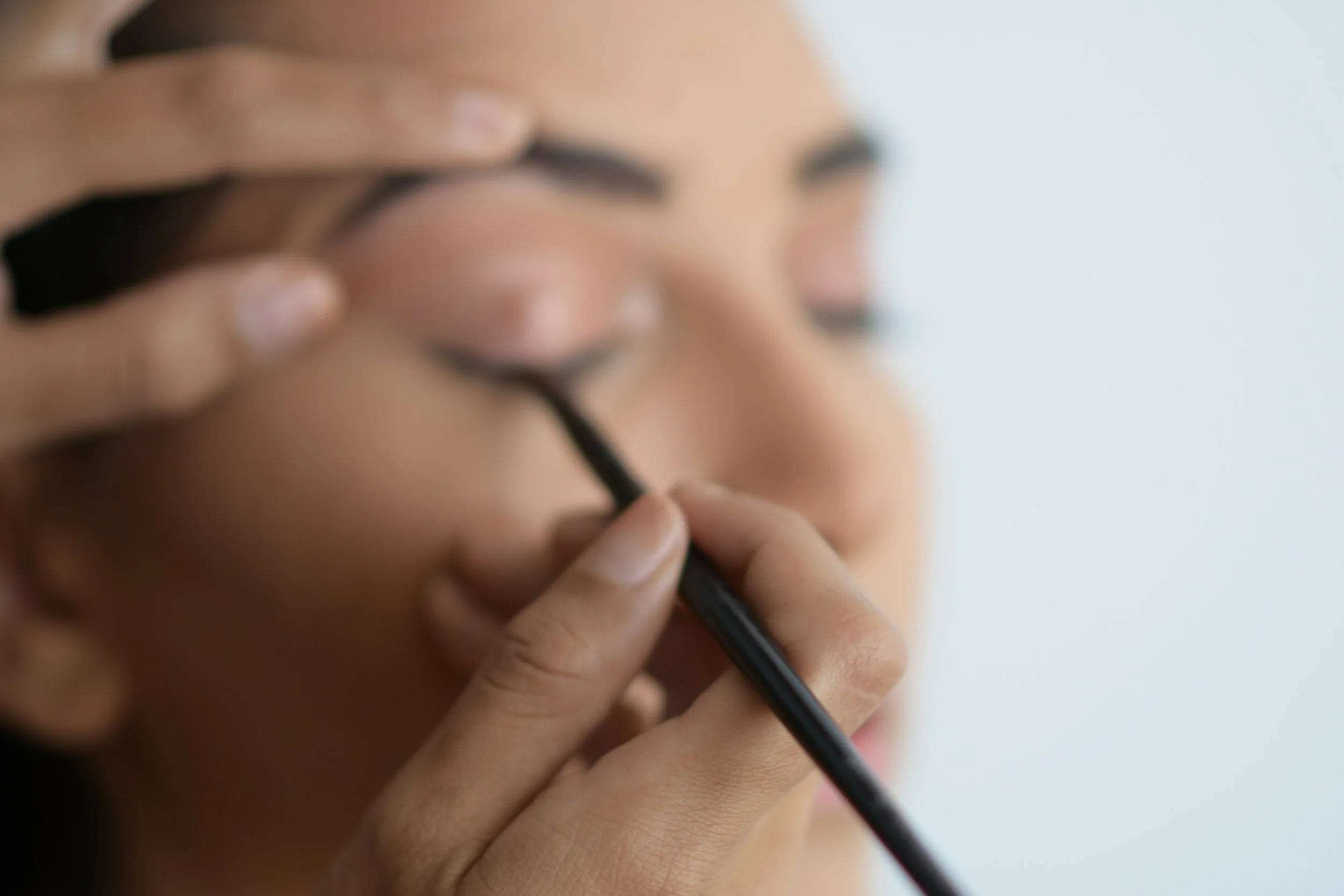
From microblading to lip blushing and eyeliner tattoos, these innovative techniques provide long-lasting, natural-looking enhancements that save time and effort.
These procedures eliminate the need for daily product application. No more mascara. No more lipstick. No more constant reapplication.
The environmental benefits are immediate and measurable.
Breaking Down the Carbon Footprint: Daily vs. Semi-Permanent
Let's crunch the numbers.
The average woman uses 12 personal care products daily. That's 4,380 applications per year.
Each product comes in its own container. Each requires water for removal. Each leaves residue in our water systems.
Compare that to semi-permanent solutions:
Microblading: Lasts 1-3 years. Zero daily products needed.
Lip Blushing: Maintains color for 2-5 years. Eliminates lipstick waste entirely.
Eyelash Tinting: Reduces mascara use for 3-4 weeks per treatment.
The math is simple. Fewer products mean less waste, lower emissions, and reduced water contamination.
Product ingredients like palm oil have devastating environmental impacts due to deforestation. Semi-permanent solutions bypass these ingredients completely.
The Microplastic Menace in Your Makeup Bag
According to the Environmental Investigations Agency, at least 633 marine species are affected by microplastics in the water.
Every time you wash off your makeup, these plastics enter our waterways.
Traditional makeup contains more than just visible plastic packaging. The products themselves are loaded with synthetic polymers that never fully break down.
Common culprits include:
Acrylates copolymer in mascaras
Polyethylene in lipsticks
Nylon-12 in foundations
Silicones in primers
These ingredients create smooth textures and long-lasting wear. But at what cost?
The Great Pacific Garbage Patch is one of the most startling examples of this buildup -- the Patch measures 1.6 million km2 and contains 1.8 trillion pieces of plastic.
Semi-permanent procedures use pigments that stay in your skin, not in our oceans.
Resource Depletion: The Beauty Industry's Dirty Secret
Palm oil tells a devastating story.
Experts have found that around 70% of beauty products contain some element of palm oil.
Some experts estimate that an area the size of 300 football fields is cleared each hour to make way for palm oil farms.
The destruction doesn't stop there.
Water consumption in cosmetic production is astronomical. From ingredient cultivation to product formulation, the industry drains precious resources.
Mining for mineral pigments devastates landscapes. Mica extraction, essential for that shimmer in your eyeshadow, often involves child labor and environmental destruction.
Semi-permanent beauty sidesteps these issues entirely. One procedure replaces years of product purchases.
The True Cost of "Convenience" Products
Makeup wipes seem convenient. They're actually environmental disasters.
The makeup removal wipes, designed for a single time use are made of polypropylene. These are non-recyclable and can even clog drains.
Daily cleansing routines compound the problem. Hot water, cleansers, toners—each step multiplies your carbon footprint.
Semi-permanent solutions eliminate this entire process. No removal needed. No wipes. No excess water usage.
The time savings alone are remarkable. But the environmental benefits? Priceless.
Making the Switch: What to Expect
Transitioning to semi-permanent beauty isn't just an environmental choice. It's a lifestyle upgrade.
People love permanent makeup for the convenience in waking up with makeup already in place, time savings in daily beauty routines, and as a solution for those with allergies to traditional cosmetics.
The procedures have evolved significantly. Modern techniques create natural-looking results that enhance your features without the "tattooed" appearance of older methods.
Initial investment varies:
Microblading: $400-800
Lip blushing: $500-1500
Eyeliner: $300-600
Compare this to annual makeup spending. The average woman spends $300+ yearly on cosmetics. Factor in the environmental cost, and semi-permanent solutions become even more attractive.
Beyond Beauty: The Ripple Effect of Sustainable Choices
Your beauty choices extend far beyond personal appearance.
The personal care industry, worth over $500 billion, relies heavily on harmful packaging and ingredients that often find their way into delicate environments such as our seas and oceans.
Every sustainable switch creates momentum. When consumers demand better, industries respond.
Some brands are already adapting. Refillable packaging, waterless formulas, and biodegradable ingredients are emerging. But individual action remains crucial.
Semi-permanent beauty represents more than convenience. It's a statement about values, priorities, and our collective future.
The Science Behind Semi-Permanent Solutions
How do these procedures actually work?
Permanent makeup, also known as micropigmentation or cosmetic tattooing, is a procedure that involves depositing pigments into the upper layers of the skin to enhance and shape features such as eyebrows, eyeliner, and lips.
The pigments used differ from traditional tattoo inks. They're specifically formulated to fade gradually over time, allowing for adjustments as styles and preferences change.
Modern techniques prioritize safety and natural results:
Microblading uses ultra-fine strokes mimicking natural hair
Powder brows create soft, filled-in effects
Lip blushing enhances natural color without harsh lines
The environmental advantage? These pigments require no daily application, removal, or disposal.
Calculating Your Personal Beauty Footprint
Want to know your impact? Let's calculate.
Count your daily products. Multiply by 365. Add packaging waste, water usage, and energy consumption.
The numbers add up fast.
A typical makeup routine generates:
50+ plastic containers annually
730 cotton pads or wipes
Hundreds of gallons of heated water
Countless microplastic particles
Semi-permanent alternatives slash these numbers to near zero.
The choice becomes clear when you see the full picture.
Industry Innovation: The Future of Sustainable Beauty
In 2025, minimalism extends beyond makeup looks and into product packaging. Sleek, refined packaging has become the norm, with a focus on high-quality, sustainable materials.
The beauty industry is at a crossroads. Consumer demand for sustainability is reshaping product development.
Emerging trends include:
Solid beauty bars replacing liquid products
Refillable luxury packaging
Lab-grown ingredients reducing agricultural impact
Biodegradable glitter alternatives
But semi-permanent solutions remain the most impactful choice for reducing beauty-related waste.
Wrapping Up: Your Beauty, Your Choice, Our Planet
The environmental cost of daily makeup is no longer hidden. Beauty packaging alone amounts to 120 billion units each year. Every product choice ripples through ecosystems, affecting wildlife, water quality, and climate.
Semi-permanent beauty solutions offer a powerful alternative. They deliver the polished appearance we desire without the environmental destruction we can no longer afford.
The shift requires initial investment and adjustment. But the benefits—both personal and planetary—far outweigh temporary inconvenience.
Your morning routine shapes more than your appearance. It shapes our collective future. By choosing semi-permanent beauty solutions, you're not just simplifying your life. You're actively protecting the planet for generations to come.
The question isn't whether to make the switch. It's how quickly you'll join the sustainable beauty revolution. Because when it comes to our environment, every choice counts—and yours could be the one that tips the balance toward a cleaner, greener future.
HOW DO YOU FEEL ABOUT FASHION?
COMMENT OR TAKE OUR PAGE READER SURVEY
Featured





Bigger earrings of carats have a distinguishing power of changing the looks of an individual at once.