
6 Things You Check Before Buying Trading Cards
PAGE
By PAGE Editor
Collecting trading cards can be quite thrilling, but it takes more than love for the artwork to buy them wisely. If you are new to the activity or just want to expand a current set, each buy influences your collection’s worth and excitement.
It is crucial to take your time and pay close attention to a few important factors before making a payment. You can start with the first six things to look at.
1. Card Condition and Grading
Both the value and the long-term appeal of the card are impacted by its condition. Before agreeing to the purchase, it would be in your best interest to look at the following: the corners, the edges, the surface quality, and the centrality.
Even relatively minor damage can result in a significant decrease in the resale value of a map, particularly when it comes to maps that are either very recent or extremely popular. Should you be concerned about the grading, you might want to think about one of its professional evaluations or delicate storage.
2. Authenticity and Seller Trust
It is more likely than you might think that you have encountered fake or altered cards. At all times, make purchases from sellers who have a good reputation and provide honest products.
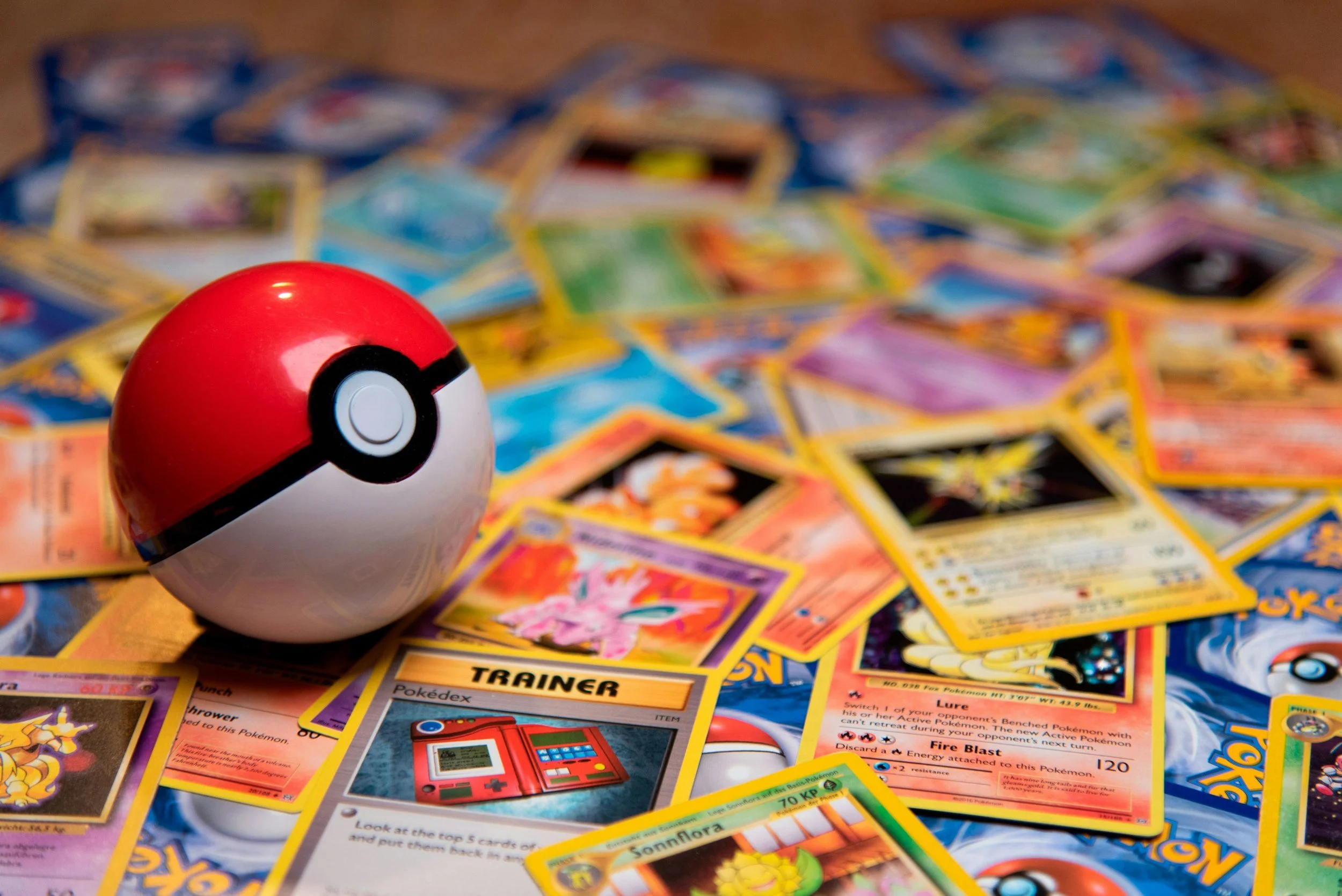
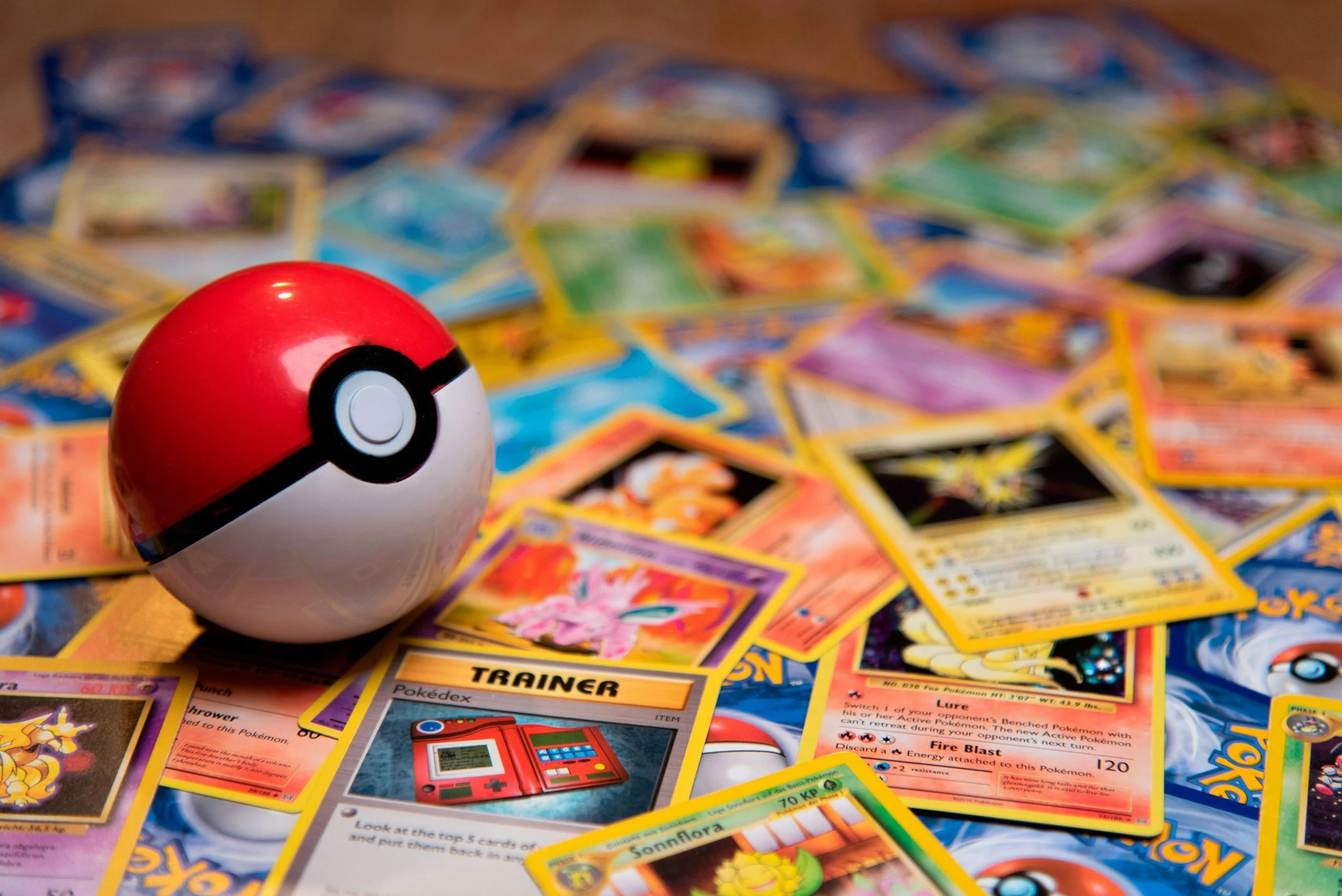
Include detailed pictures and open policies, particularly when you expect to buy pokemon cards for your collection. They mitigate the risk, thus providing considerable certainty about what you are buying.
3. Set, Series, and Release Details
All of the cards, even though they are manufactured by the same company, do not have the same value or interest. Check to see whether the card is a limited copy or a standard release, as well as the set or series in which it was published. Also, make sure to check with the publisher.
Using this method, you can ensure that you do not overpay for cards that give the impression of being rare but are actually not rare at all. By doing so, you are forced to select only those sets that are suitable for your requirements.
4. Market Value and Price Trends
Otherwise, prices can quickly fluctuate thanks to the demand, player performance, or collector mood. That’s why you should always check the current listings and sales before the acquisition to determine the appropriate price.
This way, you avoid making spontaneous purchases at the inflated cost. In the long run, a price-conscious approach helps you create a more valuable and thorough collection.
5. Card Rarity and Print Numbers
Rarity has a substantial effect on a card’s collectability. Figure out if the card is common, uncommon, rare, or comes from a unique print run. As a rule, low print numbers mean high demand; however, collectors should be interested in the card. Understanding this simple rule lets you purchase cards that will be valuable in the future.
6. Storage and Long-Term Care Needs
Purchasing a card is just the first step of the investment. You also need to consider how you will keep and safeguard it once it has been delivered.
Sleeves, top loaders, and the right storage environment all aid in maintaining a card’s look for the long term. You save money by budgeting ahead of time and maintaining the worth of the card.
Why Smart Cheques Lead to Better Collection
Collecting trading cards is an incredibly rewarding hobby from which collectors take pride when making the right purchase every time. By making a buying decision based on the card’s condition, authenticity status, your money’s worth, and caring needs, novices can avoid the costly mistakes they make.
HOW DO YOU FEEL ABOUT FASHION?
COMMENT OR TAKE OUR PAGE READER SURVEY
Featured



A February 2026 study by Arka ranks Papatui by Dwayne Johnson as the most sustainable celebrity business, revealing that seven of the ten cleanest brands are cruelty-free certified and that operational efficiency — not just scale — now defines responsible growth.