
Are Premium Wheels Worth It for Daily Driven Performance Cars?
PAGE
By PAGE Editor
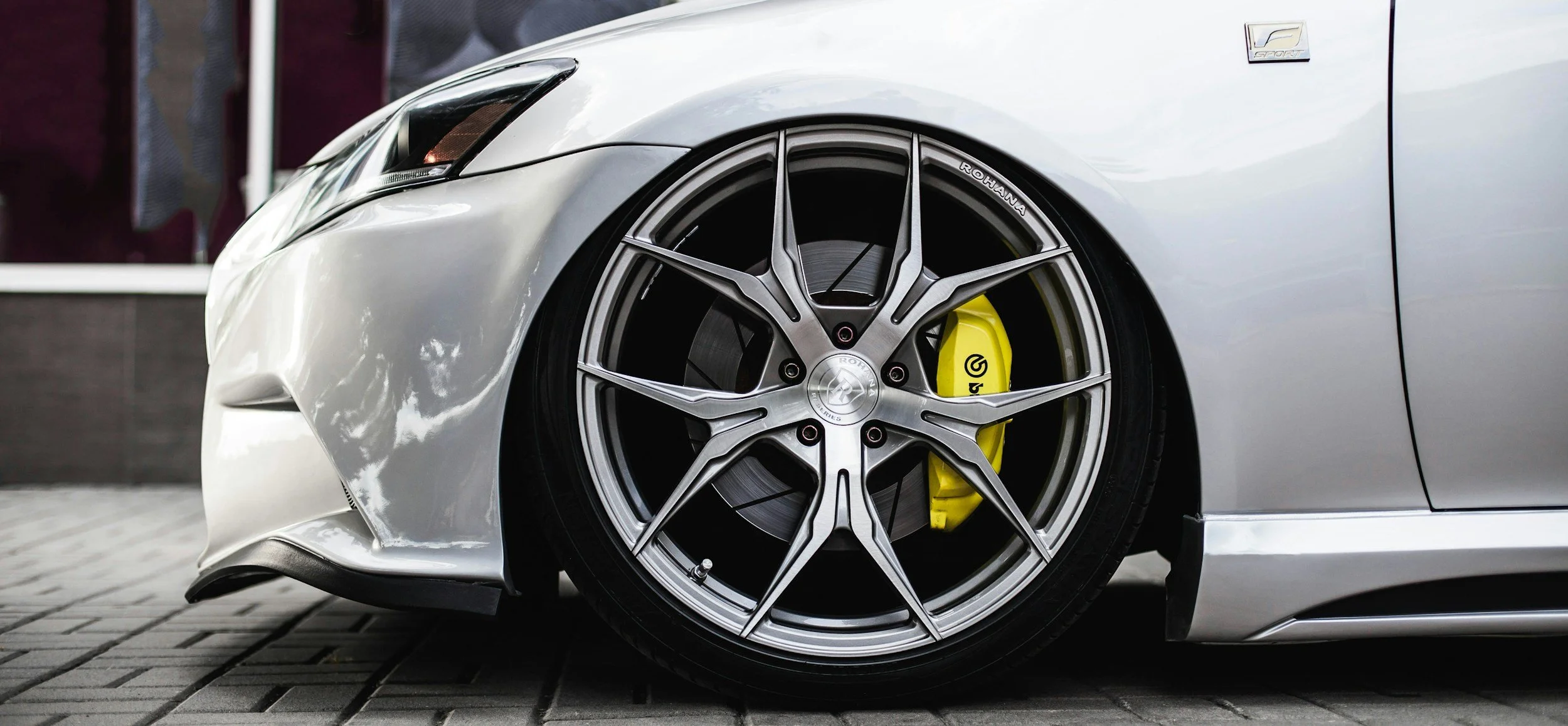
Aftermarket wheels are often viewed as a styling upgrade, but on a daily driven performance car, they can influence far more than looks. The right set can affect steering response, ride comfort, durability, and even resale value. When your car handles potholes, highway miles, curb risks, and changing road conditions every day, wheel quality becomes a practical consideration—not just an aesthetic one.
Drivers who use performance models as daily transportation need wheels that balance strength, weight, and precise fitment. Lower unsprung mass can improve responsiveness, while proper load ratings and offsets protect suspension geometry and tire wear. Construction methods, machining accuracy, and finish durability all contribute to how the wheels perform over time and what ownership will realistically cost.
Measurable Performance Improvements
Forged wheel construction cuts unsprung weight by several pounds per corner on many performance sedans and coupes. That lighter rotating mass allows springs and dampers to react faster to road imperfections, sharpening steering response and improving brake load transfer for more controlled stopping in daily traffic.
High-quality forged designs from Vossen Wheels are engineered with tight CNC tolerances and precise hub-centric fitment to maintain proper scrub radius and steering feedback. Carefully calculated offsets and optimized rim widths support tire sidewalls under cornering load, helping preserve contact patch stability. The result is more predictable handling and refined road feel without sacrificing everyday comfort.
Structural Strength for Daily Conditions
City streets are harder on wheels than most drivers realize. Potholes, sharp expansion joints, and uneven pavement create repeated impact loads that test barrel strength and rim integrity. Forged aluminum wheels are formed under extreme pressure, which aligns and compresses the metal grain structure. That process increases tensile strength compared to gravity-cast wheels and improves resistance to cracking or bending under sudden impact.
Equally important is selecting wheels with load ratings that meet or exceed your vehicle’s gross axle weight rating (GAWR). Heavier performance sedans and compact SUVs place higher stress on wheel barrels during braking and cornering. Matching verified load certifications to your car’s actual axle loads reduces fatigue risk over high mileage and adds long-term structural confidence.
Long-Term Cost Efficiency
Upfront price tells only part of the story. Manufacturing quality, warranty length, and brand reputation often determine how much a set of wheels truly costs over five or more years. Reputable manufacturers back forged wheels with structural warranties that cover material defects, while premium finishes like powder coat or ceramic clear resist corrosion from road salt and debris.
Resale strength also plays a measurable part in ownership cost. Recognized brands typically retain higher secondary-market demand among enthusiasts, especially when wheels remain straight and finish damage is minimal. Choosing wheels with durable coatings and documented quality control can preserve visual condition, helping protect trade-in value when it’s time to sell.
Vehicle-Specific Fitment Accuracy
Precise fitment directly shapes how a performance car drives and feels each day. Correct bolt patterns—such as 5x112 or 5x120—keep lug seating even and torque distribution consistent. Offset selection, like ET35 or ET45, determines how the wheel sits within the fender arch and influences scrub radius, steering weight, and overall front-end response.
Brake spacing is just as important. Multi-piston calipers on modern performance models often require spoke designs with enough inner barrel room to avoid contact. Many manufacturers provide printed templates to test compatibility before ordering. Verifying bolt pattern, offset range, center bore sizing, and brake spacing helps prevent rubbing or interference during full suspension compression or tight steering angles.
Everyday Usability and Design Integration
Choice between 19-inch and 20-inch rims shifts tire sidewall height and overall diameter, yielding a firmer ride but a cleaner stance. Finishes like gloss black, satin bronze, or brushed silver coordinate with factory paint and trim without overwhelming the car's design. When upsizing, retain adequate sidewall ratios to protect ride comfort and speedometer accuracy.
Durable finishes and maintenance expectations affect long-term usability and curb appearance. Verify overall tire diameter versus factory specs and select sidewall heights that keep ride compliance and speedometer accuracy. Check finish resistance to road salt and chips, coordinate calibration if diameter changes, and run a measured test drive to evaluate daily comfort.
Premium wheels make sense when they’re chosen for the right reasons. Structural durability, proper load ratings, accurate fitment, and disciplined sizing matter far more than appearance alone. For a daily driven performance car, that means real improvements in handling feel, reduced risk of damage, and better long-term reliability—not just a visual upgrade. Strong warranties, quality machining, and correct hub-centric fitment also help limit uneven tire wear and unexpected service costs. Before buying, confirm axle loads, brake clearance, and fitment specs with a trusted installer so the investment supports everyday driving needs.
HOW DO YOU FEEL ABOUT FASHION?
COMMENT OR TAKE OUR PAGE READER SURVEY
Featured




Starting tennis lessons can be an exciting step for players of all ages and skill levels.