
Cracked, Faded, or Peeling Leather? Why Restoration Beats Replacement Every Time
PAGE
By PAGE Editor
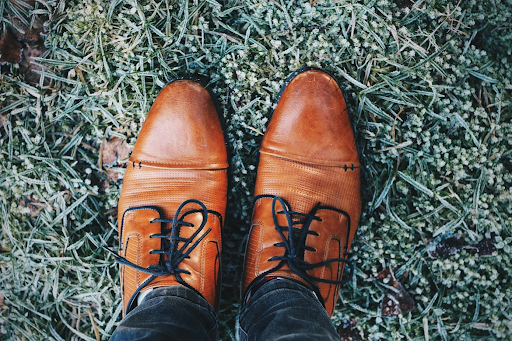
Leather is known for its durability, comfort, and timeless appeal, but even the highest-quality leather will show signs of wear over time. Cracking, fading, peeling, and dryness are common issues caused by sun exposure, daily use, temperature changes, and inadequate care. Many people assume these problems mean replacement is the only option. In reality, leather restoration is often the smarter, more practical solution. When the underlying hide is still intact, restoration can dramatically improve both appearance and performance without the high cost of replacement.
Why Leather Damage Is Usually Surface-Level
Most visible leather damage occurs on the surface, not deep within the hide. As leather ages, it loses natural oils and moisture, which causes stiffness, discoloration, and cracking. Protective topcoats may wear away, leading to peeling or uneven color. However, the leather's core structure is often still strong. Restoration addresses these issues directly by cleaning, rehydrating, repairing cracks, and restoring color, allowing the leather to regain flexibility and strength. This means your leather item isn’t failing; it simply needs professional care to reverse the effects of time and use.
Restoration Saves Money While Preserving Quality
Replacing leather furniture, vehicle interiors, or high-end leather goods can be extremely expensive. New leather products often cost thousands, and modern replacements may use thinner hides or synthetic materials that don’t age as well. Restoration typically costs a fraction of replacement while preserving the original craftsmanship and comfort. High-quality older leather is often superior to what’s available today, making restoration an even better investment. By restoring rather than replacing, you extend your leather's lifespan while maintaining the look and feel you originally paid for.
Sustainability and Long-Term Performance Benefits
Leather restoration isn’t just good for your wallet; it’s also better for the environment. Producing new leather requires significant resources, including water, chemicals, and energy. Restoring existing leather reduces waste and helps keep bulky items like furniture and automotive seating out of landfills. Beyond sustainability, restoration also improves long-term performance. After repair and recoloring, protective finishes are applied to guard against UV rays, spills, and everyday wear. This added protection helps restore leather's resistance to future damage, often making it more durable than before restoration.
Cracked, faded, or peeling leather doesn’t have to signal the end of its lifespan. In most cases, professional restoration delivers better value by preserving original quality, reducing waste, and restoring both comfort and appearance at a fraction of the cost of replacement. Restoration can prolong the life of your leather items and keep them looking great for years. Before replacing worn leather goods, consider restoring them first. For high-quality products that deliver excellent results, check out True Leather Care.
HOW DO YOU FEEL ABOUT FASHION?
COMMENT OR TAKE OUR PAGE READER SURVEY
Featured


AXE introduces Midnight Amber — a hazelnut, sandalwood, and vanilla-driven scent — alongside a redesigned spray technology that delivers lighter, more precise application, signaling a refined, quiet-luxury evolution for the brand.