
Beyond Boxes: How Moving Shapes Your Identity and Environment
PAGE
By PAGE Editor
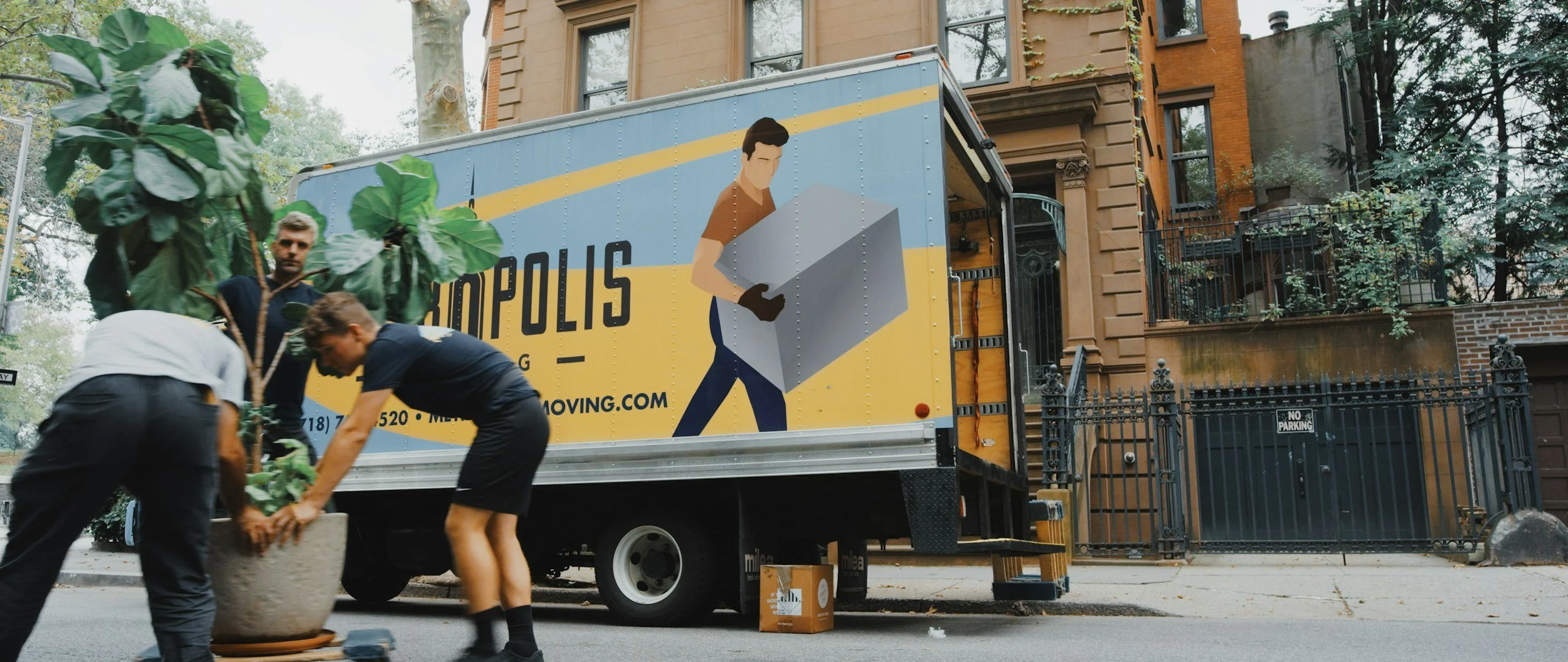
At first glance, moving appears purely logistical: boxes, trucks, and to-do lists. But beyond the cardboard and checklists, the experience of relocating can be deeply transformative. Moving isn’t just about transporting items—it’s about reshaping one’s environment, rediscovering personal priorities, and redefining identity in a new space.
Understanding how relocation affects not just your physical space but also your psychological landscape can turn an overwhelming process into a meaningful opportunity for growth and clarity.
The Emotional Terrain of Transition
Every move is a milestone. Whether prompted by career shifts, lifestyle changes, or personal evolution, moving presents a moment of reflection. It pushes individuals to evaluate what truly matters—what gets packed, what’s left behind, and what these decisions say about the person making them.
This selection process often highlights deeper values. Minimalists may pare down ruthlessly, while others find comfort in keeping sentimental items. Regardless of approach, each item carried forward contributes to the continuity of identity in a new place.
A moving company like Tera Moving Services often sees this process unfold firsthand—watching families sort, reminisce, and restructure their worlds one box at a time.
Home as an Extension of Self
Our homes are more than shelters; they are mirrors of our identities. Furniture placement, color schemes, and the organization of rooms offer insight into how we see ourselves and wish to be seen. When people move, they don't just bring their belongings—they bring a lifestyle, an aesthetic, and a sense of self.
Relocation invites homeowners and renters to re-curate their environments. A new home may prompt a shift in style or habits, reflecting changes in life stage, aspirations, or simply a desire for renewal. It’s a chance to break from routines and rebuild with intention.
This self-reinvention, although subtle, is powerful. As individuals step into new surroundings, they are encouraged to reconsider how space influences mood, productivity, and relationships.
Decluttering: A Mental and Physical Cleanse
Packing for a move inherently prompts a process of decluttering. Beyond reducing volume, this act provides a psychological cleanse. Removing items that no longer serve a purpose or resonate emotionally can be liberating.
Decluttering often results in:
Sharper decision-making skills
Lower anxiety around possessions
Greater appreciation for meaningful items
A more organized and manageable lifestyle
By parting with clutter, movers create room—not just in their homes, but in their minds. It allows for clearer thinking and more focused energy in their new environments.
The Geography of New Beginnings
Where we live profoundly shapes how we live. A move from a bustling city apartment to a suburban neighborhood doesn’t just change your commute—it reshapes your daily rhythms, access to nature, and even your social life.
Geographical shifts influence:
Types of friendships and community engagement
Transportation choices and lifestyle pace
Access to resources, parks, and services
Exposure to different cultural or economic environments
Moving creates opportunities to realign one’s life with preferred values, whether that means slowing down in a quieter town or embracing diversity in a vibrant city district.
Relationship Dynamics in a Move
Moving impacts relationships in subtle and overt ways. The relocation process can bring couples or families closer as they collaborate on shared goals, or it may highlight underlying tensions due to stress or diverging expectations.
For children, moving is often their first experience with loss and change. Preparing them emotionally and involving them in the process can reduce anxiety and foster adaptability.
Friendships are also tested. Some fade with distance, while others grow stronger with intentional effort. At the same time, new connections await in the next destination, offering fresh social possibilities.
Recognizing the emotional dimension of moving helps navigate its challenges with empathy and resilience.
The Role of Routine in Settling In
Routines provide comfort and stability, especially in the face of change. Establishing new habits quickly after a move can accelerate the process of feeling “at home.”
Some suggestions include:
Unpacking essentials first to recreate a sense of familiarity
Identifying local grocery stores, parks, and favorite cafés early on
Creating a functional space for work or rest to regain normalcy
Establishing walking or commuting routes to build new rhythms
Each small act of normalization reduces the cognitive load of newness and reinforces a sense of belonging in the new location.
Moving as a Creative Act
Rebuilding a home environment from scratch is, at its heart, an act of creativity. Layout decisions, storage solutions, and decorative choices offer a blank canvas. Even constraints—such as smaller spaces or unfamiliar layouts—become catalysts for innovation.
Creative expression during and after a move can take many forms:
Repurposing items for different functions in a new layout
Embracing new color palettes or furniture arrangements
Incorporating elements from the surrounding environment (natural light, views, etc.)
This reimagining process allows individuals to grow into their new space and infuse it with their evolving identity.
The Invisible Support of Professionals
Behind the scenes, a Houston moving company often plays a stabilizing role. While clients focus on emotional and strategic decisions, professional movers handle logistics, safety, and heavy lifting. This partnership reduces physical strain and frees mental space to focus on more personal transitions.
Companies like Tera Moving Services provide not just transportation but a sense of order during a potentially chaotic time. This sense of structure helps clients maintain momentum and focus.
Final Thoughts: Movement Sparks Transformation
A move may begin with boxes and a change of address, but its deeper impact lies in the space it creates—for clarity, reinvention, and growth. Moving can feel disruptive, but disruption often precedes progress.
By approaching relocation with intentionality, individuals can use it not only as a life change, but as a life upgrade. Whether it’s a fresh layout, a redefined social circle, or a renewed sense of identity, every move offers a chance to reshape both space and self for the better.
Let me know when you're ready to proceed with article number two, and I’ll continue the series with a new format and narrative tone.
HOW DO YOU FEEL ABOUT FASHION?
COMMENT OR TAKE OUR PAGE READER SURVEY
Featured

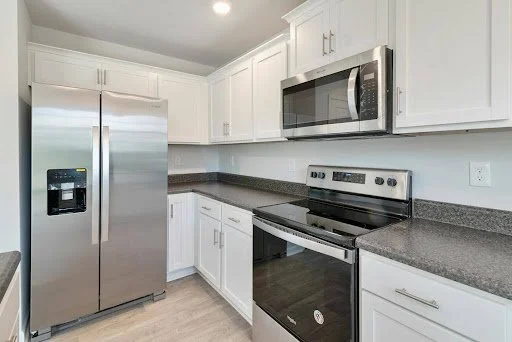


When investing in quartz countertops, choosing the right warranty and care package is just as important as selecting the color and finish.