
Riding Smart: How Night Cycling is Changing Urban Commuting
PAGE
By PAGE Editor
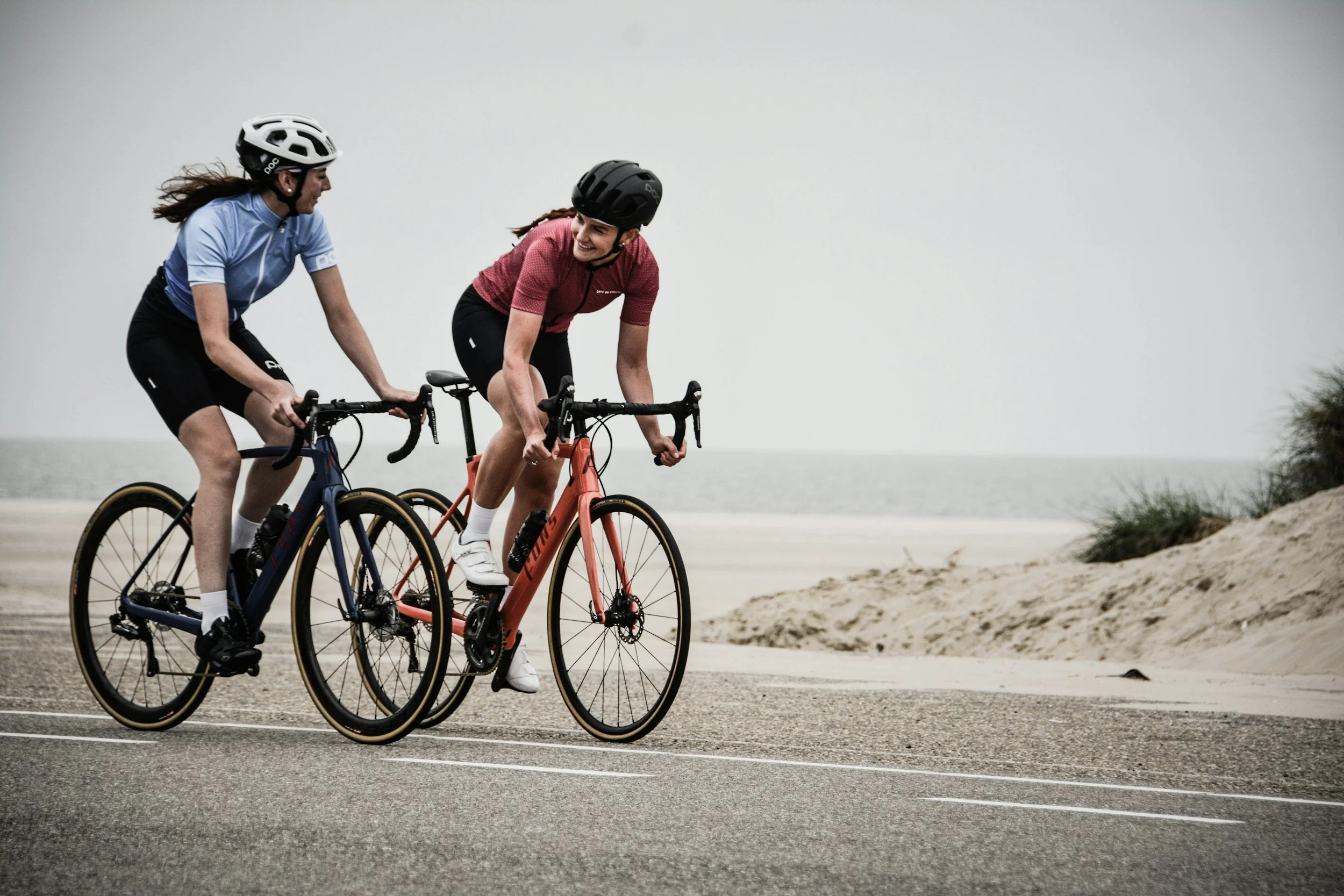
Cycling isn’t just for sunny afternoons or weekend leisure anymore. More people are embracing bikes as a daily mode of transportation, even when the sun goes down. As urban infrastructure improves, and environmental awareness rises, night cycling is becoming a mainstream part of city life. But the shift requires smart habits, proper equipment, and a shift in mindset to ensure safety and enjoyment after dark.
The New Age of the Commuter Cyclist
Across major cities, there’s been a surge in cyclists who ride year-round. These aren’t just fitness enthusiasts—they’re professionals, students, delivery riders, and everyday commuters who choose bikes for convenience and sustainability.
Safety First, Visibility Always
One of the biggest concerns for night riders is visibility. Drivers may not always expect a cyclist in the bike lane after dark, which is why outfitting your bike properly matters. Reflective clothing, high-visibility backpacks, and mounted gear are part of the new norm.
How Cities Are Adapting
Municipalities are catching up. Many are expanding protected bike lanes and incorporating solar-powered lighting along popular paths. Some areas even offer nighttime bike valet services at events, encouraging more people to ride instead of drive.
Night Riding Essentials: What Every Cyclist Needs After Sunset
Riding safely at night means more than just hopping on a bike with a hope and a prayer. A few basic items can significantly change your experience and safety level.
Reflective Gear Isn’t Optional
Whether it's a neon sash, ankle bands, or reflective tire tape, visibility starts with your body. The more reflective surfaces you have, the more you’ll stand out.
Lights That Do More Than Shine
Modern bicycle lights don’t just illuminate the road—they communicate your presence. Front lights cast a strong, steady beam while rear flashers send pulses that catch a driver’s eye.
Helmet Enhancements
Helmets today often come with mounts for lights or cameras, giving you more control over visibility and documentation. Some even include built-in turn signals.
Creating a Comfortable Night Riding Routine
Night riding doesn't have to feel like a challenge. With the right setup and mindset, it can be one of the most relaxing parts of your day.
Familiar Routes Matter
Try to stick to paths you already know well. You'll anticipate turns, know where intersections are poorly lit, and ride with more confidence.
Dress for the Drop in Temperature
Even in warmer months, temperatures drop significantly after sunset. Layering properly and using windproof materials can keep your rides comfortable.
Listen Differently
Leave the headphones at home. At night, audio cues—like an approaching car or a fellow cyclist’s bell—become even more important than usual.
Small Habits, Big Difference: How to Ride Safer Every Night
You don’t need a major lifestyle overhaul to become a consistent and safe night rider. A few small changes can have a significant impact over time.
Pre-Ride Checks Keep You Rolling
Before each night ride, take one minute to check your tire pressure, brakes, and light batteries. These small steps reduce the chance of unpleasant surprises mid-ride.
Plan for the Unexpected
Even the most experienced cyclists deal with the occasional flat tire or wrong turn. Carrying a small tool kit and a phone with a backup battery can make all the difference.
Build In a Buffer
Add an extra 5-10 minutes to your usual travel time. Riding slower at night is not only safer but allows you to stay calm in traffic or poorly lit areas.
Bonus Lists: Staying Smart Beyond the Ride
While the focus is on cycling, smart planning extends to what happens before and after each ride.
5 Things to Keep in Your Commuter Bag
Compact rain poncho
Multi-tool
Portable lock
Energy bar or snack
Extra batteries or a USB power bank
This list is particularly handy for anyone who ends their day later than most. Having essentials at the ready helps you adapt to changing weather or delays.
3 Easy Meals for Late-Night Cyclists
Rice bowl with grilled tofu and veggies
Pita wraps with hummus and greens
Smoothie with oats, banana, and peanut butter
After a long ride home, these meals can help refuel your body without requiring too much prep or cleanup—leaving you with more time to unwind.
Why the Right Lighting Setup Matters
There’s a reason experienced cyclists don’t skimp on visibility. When you’re out after dusk, your safety depends on how well others can see you and how clearly you can see your path.
A well-placed front and rear setup ensures you're visible from all angles. Strobe patterns, multiple mounting points, and angle adjustability can all play a role in making sure you stand out—whether you’re in traffic, on a trail, or cruising a quiet suburban street.
For riders upgrading or starting out, the selection of bicycle lights from Planet Bike offers thoughtfully designed solutions that balance brightness, battery life, and ease of use.
Final Thoughts: It’s Not Just About Getting Home
Night cycling isn’t just a means of transportation—it’s an experience. The quiet hum of the tires, cooler air, and empty streets offer a moment of peace that’s hard to find during the day. As long as you prepare properly, the road becomes not just safe but something to look forward to.
With habits that support safety, tools that enhance visibility, and a mindset that embraces the journey, riding after dark can be just as rewarding—if not more—than daytime cycling. Let your route light up, your head clear, and your night begin on two wheels.
HOW DO YOU FEEL ABOUT FASHION?
COMMENT OR TAKE OUR PAGE READER SURVEY
Featured




Flower by Edie Parker’s 2026 “Boobs on Drugs” campaign starring Amanda Batula reframes cannabis culture through a lens of female autonomy, blending fashion-forward storytelling with meaningful advocacy for criminal justice reform.