
Beyond the Backyard: How Urban Environments Shape Modern Pest Behavior
PAGE
By PAGE Editor
Urban living offers convenience, connectivity, and access—but it also creates unique conditions that pests are quick to exploit. As city populations grow and infrastructure continues to densify, understanding how urban ecosystems influence pest behavior is critical for homeowners and property managers alike. From rodents nesting in transit tunnels to bed bugs thriving in high-rises, the pest landscape of cities differs drastically from rural or suburban environments.
Agile Pest Control recognizes that pest control strategies must adapt to the nuances of urban living. With pests evolving alongside human development, it's more important than ever to examine how modern environments encourage infestations and what can be done to stop them.
The Built Environment: A New Frontier for Pests
Urban infrastructure is a haven for pests. Concrete, steel, and asphalt may seem impervious, but even the most well-built structures have flaws. Cracks, vents, utility chases, and sewer lines all serve as passageways for insects and rodents. Cities also offer a constant supply of food and water—both critical for pest survival.
Common pests like ants, cockroaches, and rats thrive in this environment. Unlike natural settings, cities provide minimal seasonal variation in indoor temperature, allowing pests to breed year-round. In buildings with shared walls or connected HVAC systems, an infestation in one unit can quickly spread to neighboring spaces. This makes coordinated pest control more challenging and increases the need for consistent monitoring and professional intervention.
Waste and Density: A Recipe for Infestation
Population density plays a major role in pest outbreaks. The closer people live to one another, the more opportunities there are for pests to find shelter, food, and breeding sites. High-rise apartment buildings, restaurants on every block, and overflowing waste bins are irresistible to pests like rodents and cockroaches.
Improper waste disposal or delayed sanitation services can accelerate infestations. Cockroaches, for example, can survive on nearly any organic material, and garbage left in communal areas becomes a buffet, hence cockroach pest treatment becomes mandatory. Likewise, rats can scale walls, squeeze through dime-sized holes, and take shelter behind HVAC systems and appliances.
Maintaining proper hygiene and ensuring timely waste removal are key components of effective pest control in Middletown Township, NJ. However, even the most diligent efforts may fall short without a broader, community-wide approach.
The Bed Bug Factor in High-Density Areas
Bed bugs are one of the most resilient pests in modern cities. Unlike other pests, they don’t require crumbs or moisture to thrive—just people. As a result, they are increasingly found in apartment complexes, office buildings, public transportation, and retail locations.
Urban residents frequently interact in shared environments such as laundromats, lobbies, buses, and movie theaters. Bed bugs use this mobility to spread between hosts, often without detection. Because they are experts at hiding in seams, cracks, and fabric folds, they can infest an entire building before anyone realizes there’s a problem.
Detecting bed bugs early is essential. Infestations often go unnoticed until they are well established, at which point they become harder and more expensive to eliminate. A reputable bed bugs exterminator can provide early assessment and intervention, reducing the chance of recurrence and minimizing disruption to daily life.
Urban Landscaping and Termite Activity
While cities are largely concrete jungles, pockets of greenery exist—and they’re often where termite problems begin. Urban landscaping, parks, and rooftop gardens offer ideal nesting grounds for termites. Once established in nearby soil or mulch beds, they can travel into buildings through cracks in foundations or expansion joints.
Moisture from irrigation systems, poor drainage, and shaded areas also contribute to ideal conditions for termite colonies. Subterranean termites in particular are drawn to water sources and can cause structural damage in silence for years.
Scheduling regular inspections and investing in preventive termite control are vital steps for property owners in urban environments. Even newer buildings are not immune to the hidden risks posed by these silent invaders.
Infrastructure and Pest Mobility
Subway systems, utility corridors, and underground sewer lines create interconnected passageways that allow pests to travel from one block to the next with ease. Rodents, especially, have adapted to life in the underground layers of a city, using them as highways for movement and nesting.
Once inside a building, rats and mice exploit utility lines and drop ceilings to move between floors. Their mobility and stealth make them difficult to eliminate without professional help. Pest control efforts in cities often require strategic baiting and sealing efforts coordinated across multiple units or even buildings.
This kind of integrated approach requires cooperation from building owners, tenants, and pest management professionals. Companies like Agile Pest Control and Bug Shockers understand the complexity of these environments and tailor their strategies to meet the specific challenges of each location.
The Role of Human Habits
Urban living often involves behaviors that inadvertently support pest survival. From leaving pet food out overnight to overwatering balcony plants, small daily habits can create major vulnerabilities. Food delivery services, cluttered porches, and improperly sealed storage bins are all commonly overlooked factors.
Urban dwellers should be especially mindful of moisture, clutter, and sanitation. Simple steps like sealing dry goods, cleaning behind appliances, and repairing plumbing leaks can make a big difference. Preventive measures may not be flashy, but they are among the most effective tools in keeping pest populations under control.
Adapting Pest Control to the Urban Age
As cities continue to grow, pest control must evolve alongside them. No two neighborhoods are alike—what works in a detached home may not work in a third-floor apartment. Urban pest control strategies require a balance of prevention, education, and targeted treatment.
Professionals must also remain agile in their response. Shifting pest trends, climate variability, and changing building designs demand flexible, customized solutions. Pest control in urban areas is no longer about spraying and hoping for the best—it’s about data-driven approaches that consider the behavior, biology, and habits of both pests and people.
Agile Pest Control applies this philosophy with every client, focusing on long-term solutions that address both visible problems and underlying causes.
Conclusion: Understanding the Urban Pest Equation
Urban life brings with it both opportunity and complexity. The same conveniences that attract people—accessibility, density, and shared resources—also attract pests. Understanding how cities shape pest behavior is the first step in developing effective control strategies that keep these unwanted intruders at bay.
Whether it’s preventing rodents from entering through utility chases or ensuring termite control in landscaped zones, staying proactive is key. Companies like Agile Pest Control are equipped with the tools and expertise to navigate the unique pest pressures of urban environments and help protect homes, businesses, and communities from the inside out.
HOW DO YOU FEEL ABOUT FASHION?
COMMENT OR TAKE OUR PAGE READER SURVEY
Featured

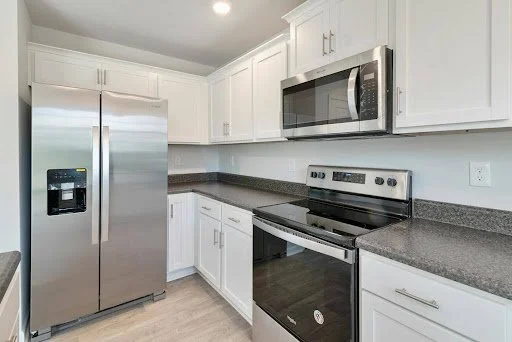



When investing in quartz countertops, choosing the right warranty and care package is just as important as selecting the color and finish.