
The Hidden Costs of Moving: How to Budget for the Unexpected
PAGE
By PAGE Editor
Moving is often seen as a straightforward task—hire a truck, pack your things, and head to your new place. But as anyone who has moved before can tell you, relocation can quickly become more expensive than anticipated. Beyond the quoted price for a moving company or rental vehicle, there are dozens of hidden costs that catch people off guard.
Clockwork Moving Company understands the importance of transparency and preparedness when it comes to planning a move. While hiring professional movers can ease the physical burden, it’s equally important to be financially ready for the entire process. Knowing what to expect financially can mean the difference between a smooth transition and a budget blowout.
Why Moving Expenses Add Up Quickly
It’s easy to underestimate the total cost of moving. Many individuals focus on the base fee for hiring movers or renting a truck, but a move includes a broad range of services, supplies, and potential delays that contribute to the final price. Even a local move can incur expenses well beyond the initial quote.
The issue isn’t just in the cost itself—it’s in the timing. Many hidden costs emerge last-minute, making it hard to adjust your budget once the process is already in motion. That’s why it’s important to take a proactive approach and account for these additional expenses from the beginning.
Common Hidden Moving Expenses to Watch For
1. Packing Materials and Supplies
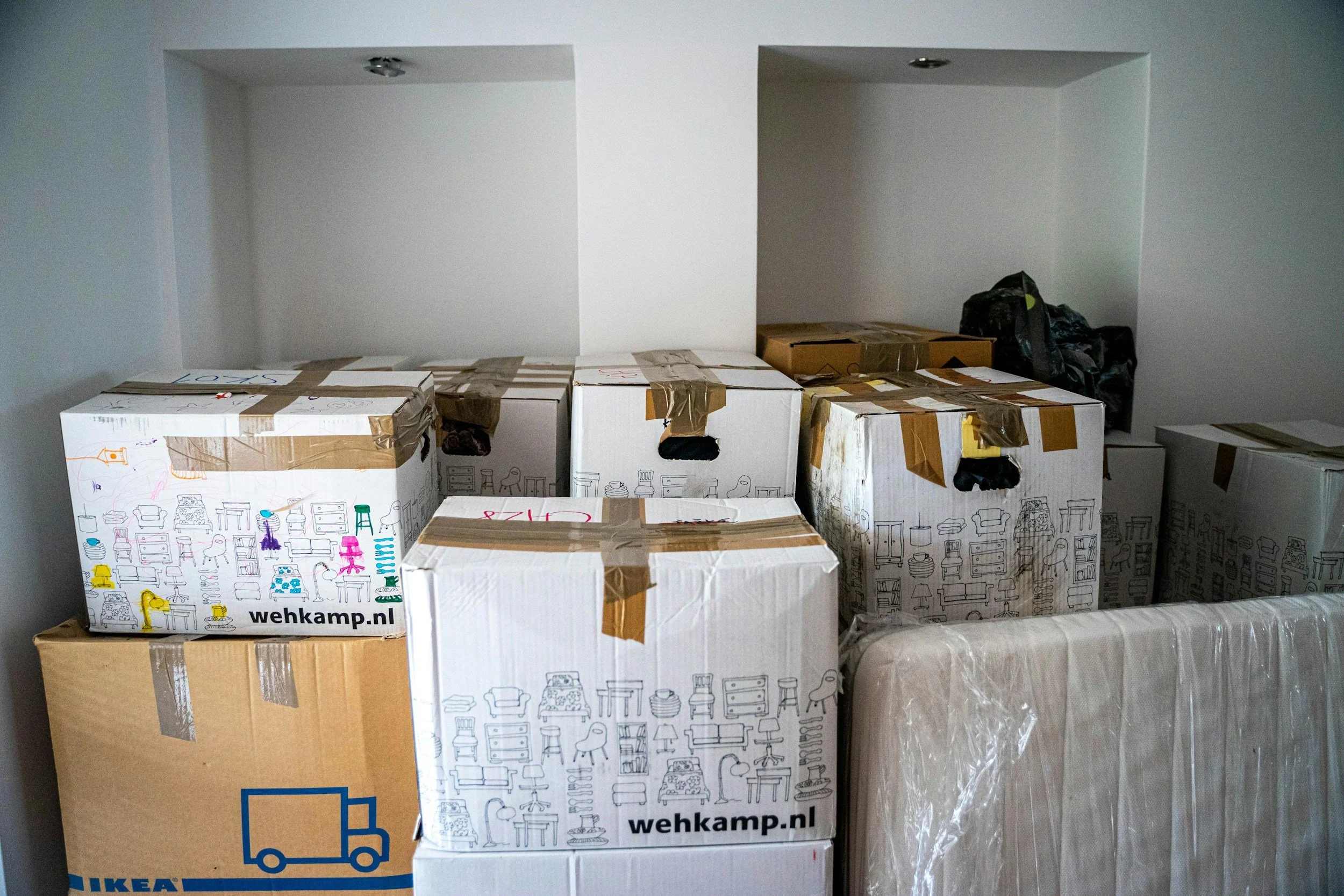
Boxes, bubble wrap, packing tape, labels, plastic bins, and padding materials may seem inexpensive individually, but they add up quickly when moving an entire household. Specialty boxes for TVs, wardrobe items, or dishware can be significantly more expensive than standard boxes.
To save, consider asking local stores for free boxes or using linens and towels to pad fragile items. Still, plan to invest in sturdy, purpose-made materials for your most delicate or valuable belongings.
2. Storage Fees
If your move-in and move-out dates don’t align perfectly, you may need to place your belongings in temporary storage. Even short-term storage solutions can cost a few hundred dollars depending on the size of your load and the facility’s security features.
Some local movers offer integrated storage services for added convenience. Ask about storage options when requesting a moving estimate, and get a clear breakdown of pricing structures.
3. Cleaning Costs
Whether you're vacating a rental property or prepping a home for sale, cleaning is essential. Professional cleaning services may be required to fulfill lease agreements or impress potential buyers.
Don’t forget to budget for cleaning products if you plan to do it yourself—or hire professionals who charge by the hour or square footage.
4. Utility Transfers and Deposits
Activating utilities at your new home often involves more than just a phone call. Some providers charge setup fees, deposits, or service connection costs—especially if you’re establishing service in a new city.
You might also face early termination fees on existing utility accounts. Be sure to call ahead and ask for a detailed list of charges related to shutting down and starting service.
5. Pet or Child Care
Moving day can be stressful for young children and pets. Hiring a babysitter, dog walker, or pet boarding service may be necessary to keep them safe and reduce distractions during the move.
These expenses are easy to forget but can make a significant difference in how smoothly moving day unfolds.
6. Meal Costs During Transition
Packing your kitchen ahead of the move means eating out more frequently. You may also rely on takeout or delivery services while unpacking at your new home. Multiple days of restaurant spending can quickly strain your budget.
Consider setting aside a cooler of snacks, water, and simple meals to help bridge the gap before your kitchen is fully functional again.
7. Time Off Work
If you need to take unpaid time off for packing, moving day, or settling in, that lost income should be factored into your moving budget. Even those with paid time off may feel financial pressure if their move involves multiple days away from work.
Planning ahead with your employer and coordinating key moving tasks on weekends can help reduce the impact on your paycheck.
Strategies to Avoid Surprise Expenses
Create a Comprehensive Budget Early
Start by listing every possible expense—from the moving company estimate to cleaning supplies. Include a contingency fund of at least 10% for unexpected costs. Reviewing recent bank statements from your last move (if applicable) can also help uncover overlooked items.
Compare Multiple Quotes
Don’t accept the first estimate you receive. Request quotes from at least three movers and make sure each includes a breakdown of services. Ask about possible surcharges for things like stairs, long carries, or last-minute changes. Choosing experienced local movers in Charlotte can also reduce risk, as they’re familiar with your city’s logistical quirks and policies.
Read the Fine Print
Carefully review contracts with your movers, storage providers, and utility companies. Ensure that all charges are clearly listed and ask questions about anything that seems vague. Hidden fees often hide in plain sight under generic terms like "service fee" or "administrative charge."
Pack Strategically
Packing your own belongings can save money, but doing it poorly can lead to costly damage. Research proper packing methods and prioritize strong, protective materials. Label boxes clearly and group items by weight and fragility to help your movers work efficiently.
Communicate With Your Movers
Professional teams like those at Clockwork Moving Company encourage open communication. Be upfront about any special needs, tight spaces, or last-minute schedule changes to avoid penalties or delays. Many issues arise simply from miscommunication—something that can be avoided with a proactive conversation before move day.
Final Thoughts: Expect the Unexpected
No matter how simple your move appears on paper, real-world logistics have a way of introducing surprise expenses. Understanding these hidden costs can help you prepare with confidence and avoid the financial stress that derails so many relocations.
Partnering with a reliable moving company gives you more than just labor—it provides guidance, structure, and insight into what to expect at every stage of your move. Clockwork Moving Company has helped countless customers navigate their local transitions with less stress and more clarity, thanks to transparent practices and experienced crews.
By budgeting for more than just the obvious, you give yourself room to manage the unknown. And when you do, your move won’t just be more affordable—it’ll be a whole lot smoother, too.
HOW DO YOU FEEL ABOUT FASHION?
COMMENT OR TAKE OUR PAGE READER SURVEY
Featured





Most people do not start looking for a Seedance 2.0 platform because they want one more AI tool.