
Can Micro Investing Fund Responsible Fashion

PAGE
By PAGE Editor
What comes to mind when you hear “sustainable fashion”? For many shoppers, that’s a higher price tag and a quiet return to fast fashion carts. Yet people around the world are becoming more intentional about what they wear and how it affects the planet.
So the real question is, could small but steady investments quietly fund better choices without blowing your monthly budget?
Yes. Let's see how.
Why Responsible Fashion Feels Expensive
With ethical production, traceable materials, and fair wages at play, the costs climb higher than for mass produced alternatives. Responsible brands also often operate at smaller scales, which limits the discounts that come with bulk manufacturing.
At the same time, demand is real.
According to a 2024 global survey by YouGov, 53 percent of consumers say they would pay more for sustainable clothing. That tells you the desire is there, even when the checkout total stings.
Tangible Asset Micro Purchases as a Fashion Fund
One way to approach the gap is to separate spending from saving. Instead of dipping into daily income for a higher quality jacket, some shoppers build small asset positions over time and convert them into purchases later.
Precious metals are one example.
As a guide from Pimbex explains, gram based bullion subscriptions allow you to accumulate small amounts consistently, then liquidate or hold them depending on your goals. Resources like these help you better decide where these investments might fit within a broader responsible spending plan.
The key factors to weigh are
Storage
Liquidity
And fees
A tangible asset may feel safer than cash in a checking account, but it still requires timing and discipline to turn it into a wardrobe upgrade.
Roundups and Green Savings Tools
Micro investing does not have to involve metals. Many apps round up spare change from everyday purchases and funnel it into diversified portfolios or themed funds.
Retail investing is also skewing younger. A 2025 update from the World Economic Forum notes that 30 percent of Gen Z investors begin in early adulthood.
That means the same generation driving demand for sustainable fashion brands is already experimenting with small scale investing.
Here are a few practical angles to consider before linking your wardrobe to your portfolio:
Compare monthly fees against expected returns
Check how quickly you can withdraw funds
Review the ethics screens behind any green labeled fund
Decide whether gains are meant for one purchase or ongoing upgrades
Each choice shapes how flexible your fashion budget will feel later.
Community Preorders and Direct Support
Micro investing can also look less like Wall Street and more like community backing. Some labels use preorder models, where customers pay in advance so brands can produce in limited runs without overstock.
Preorders and Risk Sharing
You tie up cash for a period of time, but you often secure a better price and reduce waste. The tradeoff is waiting and trusting the brand to deliver as promised.
Collective Impact
Crowd supported drops and local maker funds can help keep a circular wardrobe in motion, with garments designed for repair, resale, or recycling. The approach blends spending and investing into one intentional act.
Is Micro Investing the Missing Link?
Micro investing will not erase the price difference between fast fashion and responsible labels. It can, however, shift how you prepare for those purchases.
Small, automated contributions build psychological distance between daily spending and long term values. Over time, that distance can make a thoughtfully made coat feel planned rather than impulsive.
Dressing With a Plan in Place
Funding responsible fashion rarely happens by accident. It grows from systems that match your values and your cash flow.
Explore options and run the numbers. See which model fits your habits. When ready, subscribe to the page or share your thoughts in the comments. Let’s keep the conversation moving.
HOW DO YOU FEEL ABOUT FASHION?
COMMENT OR TAKE OUR PAGE READER SURVEY
Featured
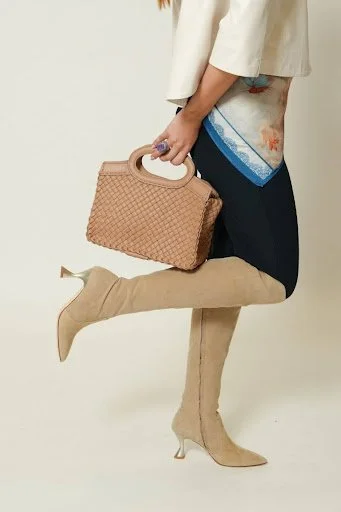



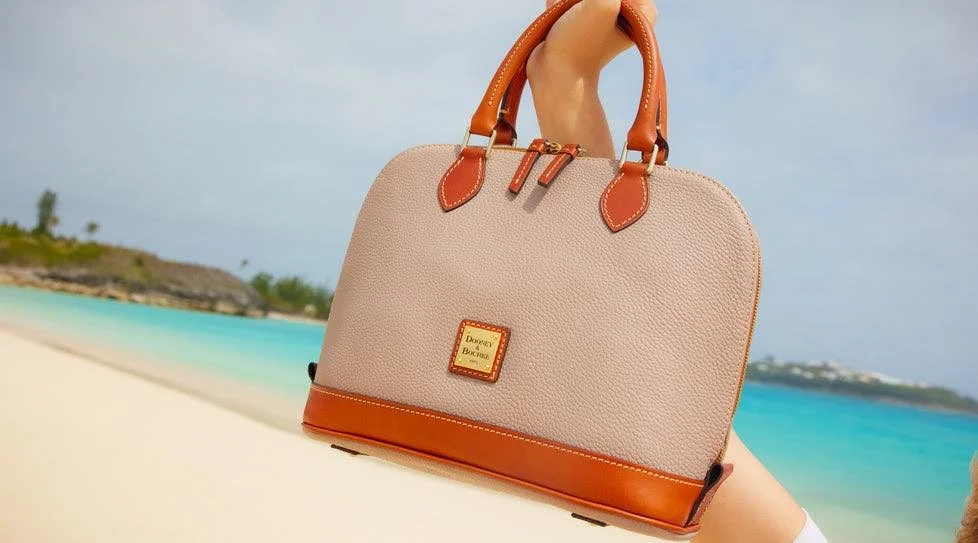
A relaxed guide to sustainable resort wear: easy silhouettes, breathable fabrics, and versatile styles designed for beach days, slow mornings, and late evenings.