
Essential Anatomical Terms Used in Fitness and Patient Care

PAGE
By PAGE Editor
Anatomical vocabulary is one of the most important things you need to learn if you are interested in working in a medical field. Besides doctors and nurses, physical therapists, fitness trainers, radiation technicians, sports medicine practitioners, and other people working in health and fitness need to know these terms.
Anatomical vocabulary is important for accuracy. Specialized words are more precise than general vocabulary when describing parts of the body, and the more specific you get when describing injuries or movements, the better the outcome will be. You’ll also need to know these terms when communicating with other professionals in the medical field.
You will need to go through a full training on anatomy if you are planning to go into one of these fields, but here are some basic terms that can help you get started.
Anatomical Position
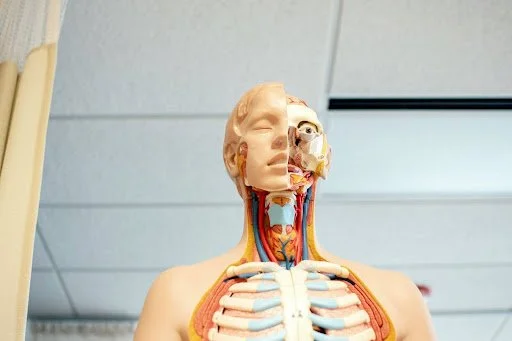
The basic concept of anatomy is the anatomical position. If you’ve ever seen a sketch of a medical chart or muscle chart, you’ve seen what the anatomical position looks like. It’s a figure standing straight with arms at its sides and parallel feet.
Other anatomical terms define themselves in relation to anatomical position. Once you learn the anatomical position from Brookbush Institute, you will move on to other anatomical terms that help you describe where something is located on the body. This standardized position makes it easier to communicate objective information about a patient or trainee.
The study of anatomy works like building blocks. Once you learn essential terms, you have the tools you need to understand more complex topics.
Parts of the Body
In the medical and fitness fields, the words used for parts of the body differ from the words we use in general conversation. These terms are usually derived from Latin names for body parts.
Besides naming specific body parts, anatomical vocabulary helps with identification and location by giving the area of the body where something is located. For example, a dorsal muscle is something on the back, while a ventral part is on the side of the belly.
You need to understand this vocabulary to communicate with other medical professionals because medical reports usually use anatomical terms to describe injuries.
Anatomical Directions
Anatomical directions serve the same purpose as ordinary directions. They help someone reading a chart orient themselves. However, instead of a compass or cardinal directions, anatomical directions use the standard anatomical position as a reference point for describing where something is on the body, usually in reference to other body parts.
There are some similarities between anatomical directions and standard directions. You still have terms that describe if something is on top or below, except that the words used in anatomy are superior and inferior.
Other ways of orienting body parts in anatomical position may not be familiar to you. Proximal and distal are two terms that are used to describe where something is in relation to the trunk or torso area.
The reason why there are so many words for anatomical directions is that treatment and exercise have to be very precise. For example, let’s say an athlete injured their quadriceps tendon. This tendon is large, so finding the exact location of the injury takes up valuable treatment time. If the diagnosis specifies that the athlete suffered a lateral quadriceps tear, then the medical team will know exactly where to begin treatment.
Anatomical Planes
Some medical professionals also talk about anatomical planes. Anatomical planes help with analyzing anatomical directions because they serve as imaginary dividing lines across the body when it is in anatomical position.
For example, the coronal plane is an imaginary line that runs through the center of the body. The anterior position is in front of this plane, while the posterior refers to all body parts that fall on the rear side of this plane.
Anatomical planes add an extra layer of complexity to anatomical vocabulary, and you usually don’t have to memorize these terms when you’re just getting started learning anatomical vocabulary. However, it helps to have the visual of different planes in mind when learning directions to give you an extra guide as you orient yourself.
Learning Basic Anatomical Terms
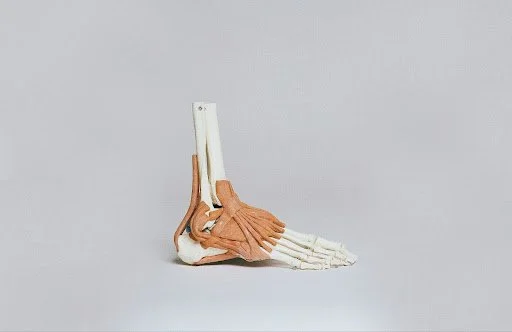
Any field related to fitness or healthcare requires basic anatomical knowledge. You need to know anatomical terms to understand the locations of different muscle groups when creating fitness plans. Anatomical terms are even more important if you’re treating patient injuries because you need to be as precise as possible during diagnosis and treatment.
There are many free guides online that can help you learn basic terminology and anatomical concepts. These are just a starting point, but if you are serious about working in these fields professionally, it’s important to go through a formal anatomical course. A course will help you master this terminology and feel confident in your ability to support patients.
HOW DO YOU FEEL ABOUT FASHION?
COMMENT OR TAKE OUR PAGE READER SURVEY
Featured





When investing in quartz countertops, choosing the right warranty and care package is just as important as selecting the color and finish.