
The Future of Style Is Rooted in Nature
PAGE
By PAGE Editor
There was a time when style in the home was measured by polish, sheen, and spectacle. But something has shifted. In today’s most compelling interiors, glamour is more subtle. The statement now lies in restraint—in materials that tell the truth, in forms that feel intentional. As sustainability moves from niche to necessity, fashion-forward living spaces are aligning with values. Style, increasingly, is not about showing off. It’s about slowing down.
Wood with natural variation, hand-woven fibers, and objects made with care rather than speed are taking center stage. These choices reflect a confidence that doesn’t need to impress because it already knows its worth. The most modern homes feel like sanctuaries—not just curated, but considered.
The Materials of the Moment
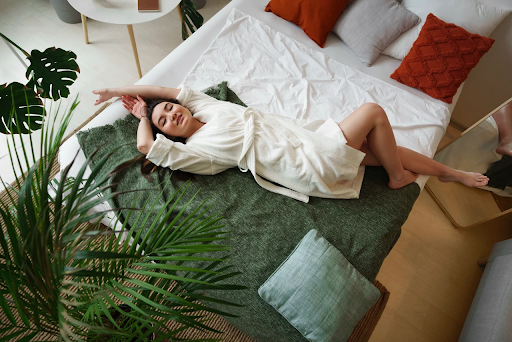
Today’s design language favors the tactile over the glossy. Solid hardwoods, brushed finishes, raw edges—each material carries a trace of origin. There’s an elegance in these imperfections, a reminder that beauty isn’t always symmetrical. Instead of lacquered veneers and synthetic blends, we’re seeing an embrace of organic textures: wool, cotton, hemp, and natural latex. These materials breathe, shift, and soften with time.
They also invite touch. A wool comforter folded just so on a bench, a linen curtain drifting slightly with the breeze—these are moments that feel alive. And that aliveness, that connection to the elements, is what sets today’s interiors apart. There’s a return to furnishings that don’t just decorate a space, but inhabit it with quiet presence.
Simplicity with Soul
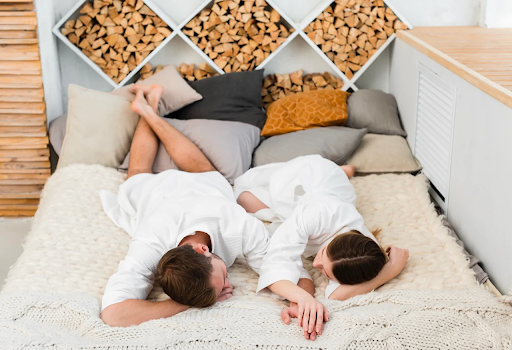
Minimalism has matured. No longer about starkness or rigidity, it now welcomes softness and soul. The best rooms today don’t feel designed—they feel composed. A low-profile bed made of pale beechwood, paired with unadorned bedding and walls left intentionally bare, speaks louder than anything ornate. Each piece holds its place without competition.
This restraint isn’t sterile—it’s intentional. The result is a kind of emotional clarity. A calm. When a mattress is made of pure, breathable materials and placed low on a clean platform frame, the entire room exhales. Style becomes about what’s left out as much as what’s placed in. It’s a discipline, but one rooted in comfort.
Timelessness as a Statement
Fashion in the home is no longer seasonal. Instead, we’re seeing a return to the enduring. Pieces that last. Choices made not for a moment but for a lifestyle. This is the difference between decoration and curation. A room grounded in natural tones and sustainable craftsmanship doesn’t age—it evolves.
In this space, brands that champion these values naturally rise to the surface. One such brand is Comfort Pure, whose commitment to clean, earth-conscious design reflects this broader shift. Their furniture and mattresses are not designed for mass appeal—they’re designed for meaning. And that meaning becomes a part of the home’s story.
Living with Intention
More than ever, the way we live reflects how we think. A thoughtfully chosen bed, crafted from organic materials and free from synthetics, is more than a place to sleep—it’s a declaration. It says: this is a home where wellness and design are not at odds. Where aesthetics are shaped by values, not just visuals.
There is a quiet revolution happening in how we define luxury. It’s in the raw finish of a nightstand, the warmth of wool underfoot, the scent of untreated wood. These details, subtle yet rich, are rewriting the rules of modern style. In this new language, sustainability isn’t an afterthought—it’s the very foundation. And homes built on that foundation don’t just look good. They feel right.
The Emotional Architecture of Home
At its best, design is not just visual—it’s emotional. It shapes how we move, rest, and feel. When a room is composed with clarity and care, it does more than please the eye—it restores. This is the quiet power of spaces anchored in natural materials and timeless forms. They ask nothing from us but presence.
The textures we live with—the softness of organic cotton, the grain of unfinished wood, the grounding density of a well-crafted mattress—become part of our daily rituals. Over time, they create a kind of emotional architecture, a rhythm of familiarity that soothes rather than stimulates. In these spaces, beauty isn’t performative. It’s personal.
This is where design becomes something deeper: not just a mirror of taste, but a reflection of the life we want to live. And in that reflection, we begin to see not just style, but intention. Not just a home, but a point of view.
HOW DO YOU FEEL ABOUT FASHION?
COMMENT OR TAKE OUR PAGE READER SURVEY
Featured




The OTW by Vans x Parra Old Skool 36 marks a full-circle collaboration that fuses Parra’s surreal, minimalist artistry with Vans’ skate heritage, reimagining an iconic silhouette through thoughtful design, premium materials, and cultural authenticity.