
From Detox to Long-term Sobriety: The Complete Roadmap to Rebuilding Life After Addiction

PAGE
By PAGE Editor
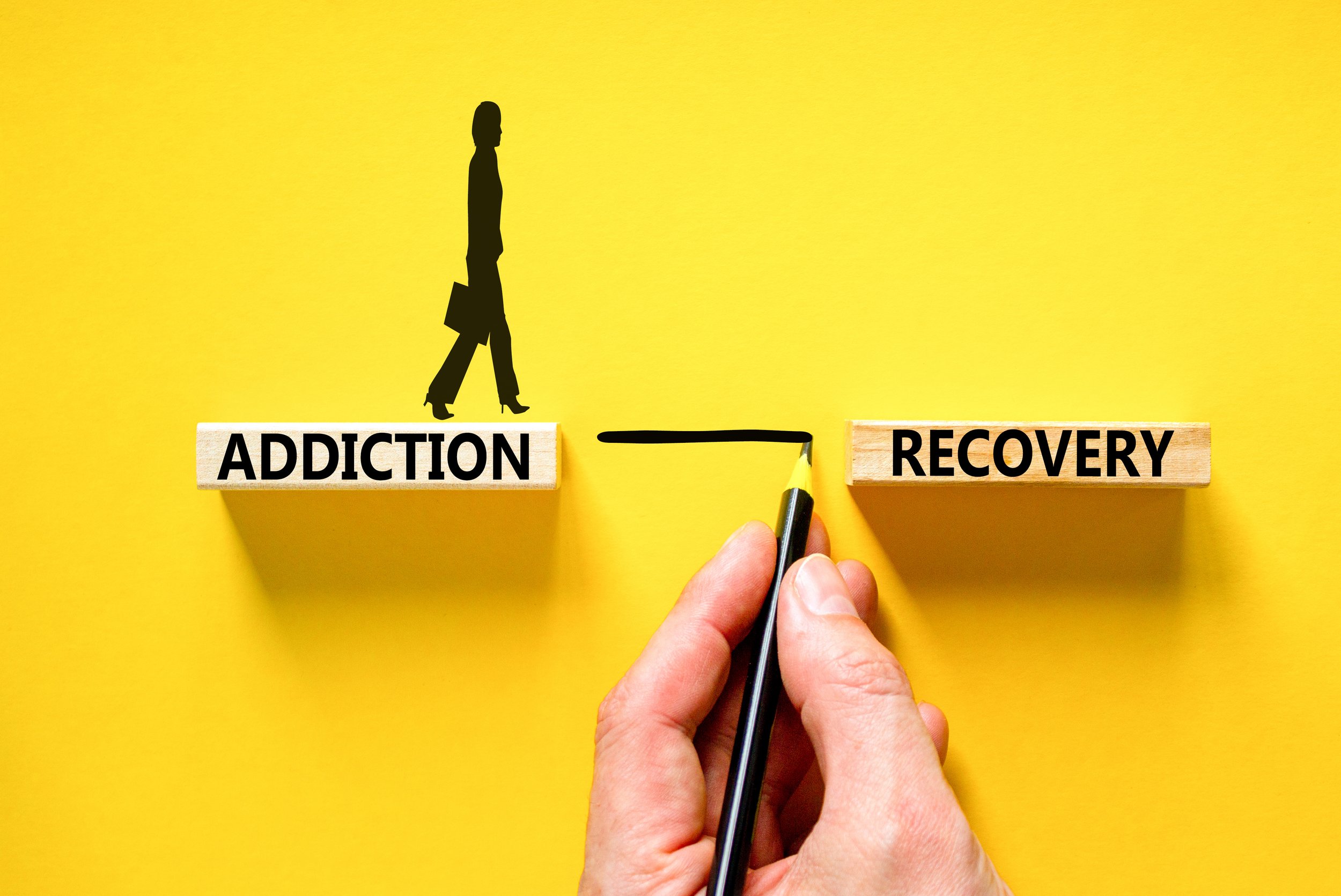
Recovering from addiction is a profound transformation that touches every part of life. It’s not just about eliminating substances from the body, but about rediscovering stability, purpose, and self-worth. The early days can feel overwhelming, filled with physical adjustments, emotional turbulence, and uncertainty about the future.
As time passes, new challenges emerge: maintaining motivation, building healthy routines, and repairing relationships. Each step demands resilience and a willingness to embrace change. Support from professionals, peers, and loved ones can make the difference between short-term improvement and lasting freedom.
Read on to discover the complete roadmap that can guide you from detox through long-term sobriety and toward a life rebuilt with strength and clarity.
Understanding the Detox Process
Detox is the critical first step in moving away from harmful patterns of substance abuse and beginning effective addiction treatment. It focuses on eliminating toxins from the body while managing the physical and emotional effects of withdrawal. To start recovery on a strong footing, medical and emotional needs must be addressed in tandem.
The following are the top three factors that play a key role in a safe and effective detox:
Medical supervision
Withdrawal from certain substances can cause intense discomfort or, in some cases, life-threatening complications. Continuous monitoring by healthcare providers ensures that emerging risks are detected and addressed promptly, reducing the likelihood of severe medical issues. This oversight is particularly crucial for individuals with pre-existing physical conditions, chronic illnesses, or mental health challenges, as these factors can increase vulnerability during detox.
Duration and intensity
The timeline and severity of detox vary depending on the substance used, frequency of use, and an individual’s overall health. While some individuals may begin to feel physically stable within a few days, others require extended periods to regain equilibrium and stabilize their systems. Having a clear understanding of the expected intensity and duration helps set realistic expectations and reduces anxiety about the initial stages of recovery.
Emotional support
Withdrawal often brings a mix of challenging emotions, including anxiety, irritability, and feelings of hopelessness. Access to trained staff, counselors, or peer support during detox can provide reassurance and coping strategies to manage these emotions effectively. Establishing a dependable support system from the outset helps strengthen motivation, increases confidence, and lays the groundwork for continued engagement in treatment.
Completing detox clears the way for the next phase of recovery, ensuring the body and mind are better prepared to engage in counseling, therapy, and other steps toward lasting sobriety.
Choosing the Right Treatment Program
Selecting the most suitable approach to addiction treatment can set the tone for lasting progress. Every person’s situation is different, so the decision should be based on individual needs, the nature of substance use, and available resources.
Here are key options that can make a significant difference in recovery outcomes:
Inpatient programs
These provide 24-hour care in a structured setting, removing individuals from environments where substance abuse triggers may be present. This level of support can be especially beneficial for those managing complex mental health conditions alongside recovery. Medical oversight, therapy sessions, and a consistent routine create a foundation for stability and growth.
Outpatient programs
Offering flexibility, outpatient care allows people to continue their professional life or family responsibilities while still attending therapy and support groups. This can be an effective choice for those with a reliable support system at home, but it still requires a strong commitment to scheduled treatment sessions and self-accountability.
Discharge planning and continuing care
Completing treatment is only part of the process. Having a plan for what comes next is just as important. Discharge planning ensures individuals have clear steps for ongoing care, whether that involves relapse prevention strategies, 12-step programs, or transitional housing. For details on what effective discharge planning includes and how it can help maintain recovery momentum, learn more from a trusted resource that specializes in discharge planning services. With the right follow-up care, the shift from a structured program to independent living becomes more manageable and less overwhelming.
Choosing the right treatment plan is an investment in building the skills, connections, and resilience needed for sustained addiction recovery.

Building a Strong Support Network
A strong network of dependable people can make recovery feel less isolating and more sustainable. It provides encouragement during setbacks and celebrates progress during milestones. The right connections can also offer practical help and emotional grounding when the process feels overwhelming.
Below are some sources of meaningful support that can strengthen long-term stability:
Family and friends
Loved ones who encourage progress and respect recovery boundaries can create a safe, understanding environment. Their consistent presence can act as a reminder of what’s at stake and why change matters. They can help manage daily challenges, share in healthy activities, and be a steady source of reassurance during stressful moments.
Peer support groups
Programs such as Alcoholics Anonymous (AA) or Narcotics Anonymous (NA) offer a space to share experiences with people who understand the challenges of addiction firsthand. These settings provide structure through regular meetings, mentorship opportunities, and established recovery traditions. The accountability and mutual encouragement they foster often become essential pillars in sustaining sobriety.
Community resources
Local recovery centers often provide counseling, skill-building workshops, and social activities that promote healthy living. They also offer guidance on managing employment, housing, and financial stability, which are areas that can directly impact recovery success. Engaging with these resources expands social circles, reduces isolation, and reinforces a lifestyle centered on wellness.
Maintaining reliable connections through family, peers, and community services can help ensure recovery becomes a supported and lasting part of daily life.
Addressing Underlying Mental Health Issues
Addressing mental health issues alongside addiction treatment is essential because untreated psychological conditions can hinder recovery progress. Many individuals may struggle with depression, anxiety, or trauma-related disorders that affect their motivation, decision-making, and emotional stability. Identifying these conditions early allows for a treatment plan that addresses both substance use and mental health needs in a coordinated way.
In addition, specialized therapies can be highly effective in improving overall well-being. Cognitive Behavioral Therapy (CBT), for instance, can help individuals recognize unhelpful thinking patterns and replace them with healthier responses. Trauma-focused approaches can also provide a safe space to process past experiences, reducing the emotional distress that may have contributed to substance use.
Equally important is ensuring access to appropriate medical support. Prescribed medications can help manage symptoms such as mood swings, sleep disturbances, or intrusive thoughts, making it easier for individuals to focus on recovery goals. Consistent monitoring by healthcare providers ensures that any adjustments to treatment are made promptly, supporting steady progress over time.
Developing Healthy Coping Strategies
Developing healthy coping strategies is essential for managing stress, emotions, and unexpected challenges in recovery. This begins with recognizing personal stress signals early, before they escalate, and creating a plan to respond in ways that protect overall well-being. For example, practicing grounding exercises, using breathing techniques, or taking a short break from overwhelming situations can provide the space needed to think clearly and make healthier choices. Over time, these intentional responses become second nature, helping to reduce the likelihood of relapse.
In addition to these foundational skills, constructive outlets for emotional expression play a vital role in sustaining recovery. Activities such as painting, playing an instrument, gardening, or writing in a journal offer safe and creative ways to release emotions rather than suppress them. Engaging in these outlets regularly not only makes difficult moments easier to manage but also helps reduce the intensity of cravings. This consistent release of emotional tension can improve mental clarity and contribute to a more balanced state of mind.
Building on this, adopting and maintaining a lifestyle that supports both mental and physical health further strengthens recovery. Establishing regular sleep patterns, prioritizing nutritious meals, and committing to physical activity all contribute to greater resilience and improved mood. When practiced consistently, these habits create a reliable structure that supports long-term sobriety and personal growth. Over time, this balance fosters a deeper sense of stability, making it easier to stay focused on recovery goals.
Rebuilding Daily Life and Structure
Rebuilding daily life after addiction often begins with establishing a consistent and realistic routine. This may include setting regular times for waking up, meals, exercise, and personal reflection. Over time, these habits reduce uncertainty and create a steady rhythm that supports both mental and physical well-being. A reliable structure also limits idle periods, making it easier to avoid unproductive behaviors that could hinder progress.
In addition to a daily schedule, setting personal goals helps create direction and motivation. These goals might involve improving professional skills, exploring new career paths, or enrolling in educational programs that expand future opportunities. Working toward tangible achievements builds confidence and reinforces the belief that lasting change is possible.
Reconnecting with community and building healthy social ties are equally important. This could involve attending local events, participating in group activities that match personal interests, or volunteering for causes that feel meaningful. These connections not only provide companionship but also encourage accountability and balance, creating a stable foundation for long-term sobriety.
Preventing Relapse
Preventing relapse begins with consistently identifying personal triggers and patterns that may pull someone back toward substance use. These triggers could be physical places, certain people, or even specific emotional states like loneliness, frustration, or anxiety. Recognizing these warning signs early makes it easier to take intentional steps that protect sobriety. The more familiar a person becomes with these cues, the better they can respond in ways that strengthen, rather than weaken, their recovery.
Alongside awareness, creating a toolbox of flexible strategies can make a major difference when challenges arise. This might include calling a supportive friend or sponsor, attending an extra recovery group session, engaging in physical activity to relieve stress, or practicing calming techniques such as deep breathing or meditation. When these strategies are used consistently, they not only help manage immediate cravings but also reinforce long-term habits that support a healthier lifestyle. Over time, this proactive approach becomes second nature, providing confidence and stability during vulnerable moments.
Sustaining recovery also requires ongoing self-reflection and adjustments to one’s support network. Life circumstances change, and so do recovery needs. A person might decide to try a different therapy approach, join a new support group, or add hobbies that bring fulfillment and purpose. Checking in regularly on progress and challenges ensures that recovery plans stay relevant and effective. By staying flexible and willing to adapt, individuals can keep building resilience, reduce the risk of setbacks, and continue moving toward lasting sobriety.
Embracing Long-term Personal Growth
Embracing long-term personal growth starts with identifying goals that extend beyond the initial stages of recovery. These goals can include learning a new skill, exploring creative interests, or taking on challenges that build confidence and self-esteem. Establishing clear, achievable milestones provides motivation and a tangible sense of accomplishment, which encourages individuals to continue prioritizing their well-being over old habits.
In addition to personal development, contributing to others’ growth can have a profound impact on recovery. Volunteering, mentoring peers, or participating in community initiatives fosters a sense of purpose and strengthens social connections. These activities encourage accountability, enhance emotional resilience, and create opportunities to practice empathy and leadership skills, all of which reinforce a healthy and balanced lifestyle.
Maintaining long-term growth also depends on ongoing engagement with supportive networks and structured programs. Continued participation in support groups, educational workshops, or community events offers a consistent source of encouragement, shared experiences, and practical guidance. This ongoing involvement helps individuals remain focused, adapt to life’s challenges, and cultivate a fulfilling, purpose-driven life that extends well beyond the recovery process.
Final Thoughts
Recovery begins with detox, where the body is cleared of substances and withdrawal symptoms are carefully managed. Following this, the right treatment program and healthy coping strategies help address both physical and emotional needs, laying a foundation for lasting progress. Rebuilding daily life through routines, work or education, and repaired relationships strengthens stability and purpose. A strong support network and attention to mental health provide guidance, encouragement, and accountability throughout recovery. Staying aware of triggers and practicing coping skills helps prevent relapse, while pursuing personal growth adds meaning beyond sobriety. Taken together, these steps create a clear, structured path toward sustained recovery and a fulfilling, substance-free life.
HOW DO YOU FEEL ABOUT FASHION?
COMMENT OR TAKE OUR PAGE READER SURVEY
Featured





When investing in quartz countertops, choosing the right warranty and care package is just as important as selecting the color and finish.