
Guide to Watch Winders: How to Protect and Maintain Your Automatic Timepieces
PAGE
By PAGE Editor
For any watch enthusiast, an automatic timepiece is more than just a tool for telling time; it is a masterpiece of mechanical engineering. However, the very mechanism that makes these watches so special—the self-winding rotor—requires consistent movement to stay functional. When left on a bedside table or in a drawer for a few days, the power reserve depletes, the hands stop, and the intricate lubricants inside can begin to settle.
This is where a high-quality watch winder becomes an essential investment. Far from being a mere luxury accessory, a winder ensures your watch is always ready to wear, maintaining its accuracy and longevity. In this guide, we will explore everything you need to know about choosing the right winding solution to keep your horological collection in peak condition.
What is a Watch Winder and Why Does Your Collection Need One?
A watch winder is a specialized device designed to keep automatic watches running when they are not being worn. Since automatic watches rely on the kinetic energy of the wearer’s wrist to tension the mainspring, they will eventually stop if left stationary.
By placing your timepiece into a premium watch winder, you are essentially simulating the natural motion of a human wrist. This constant, gentle rotation keeps the internal parts moving, ensuring that the day, date, and moon phase complications remain accurate. For owners of perpetual calendars or complex GMT watches, a winder is a massive time-saver, eliminating the need for tedious manual resetting every time you want to wear a specific piece.
Key Features and Benefits of a Professional Winder
When browsing for a winding solution, it is important to look beyond aesthetics. While a beautiful wood finish or leather exterior adds to the decor of a room, the internal components are what truly matter for the health of your watch.
1. Precision Motors and Silent Operation
The hallmark of a high-end winder is a whisper-quiet motor. Japanese or German-engineered motors are often preferred because they provide smooth, consistent rotation without the mechanical grinding noise found in cheaper alternatives. This allows you to keep your collection in a bedroom or office without distraction.
2. Customisable Turns Per Day (TPD)
Different watch movements require different amounts of activity to stay wound. Most modern watches require between 650 and 1,800 TPD. A quality winder allows you to adjust these settings, ensuring you aren't over-stressing the mainspring or under-winding the movement.
3. Multiple Rotation Directions
Some movements wind clockwise, some counter-clockwise, and some bi-directionally. High-quality units offer "Bi-directional" or "Intermittent" settings to cater to the specific requirements of brands like Rolex, Patek Philippe, or Breitling.
4. Watch Protection and Security
Beyond mechanical maintenance, a winder acts as a secure display case. Padded watch pillows prevent scratches, while glass covers protect against dust, moisture, and accidental bumps.
Who Should Invest in a Watch Winder?
While any automatic watch owner can benefit from a winder, certain collectors will find them indispensable:
The Multi-Watch Collector: If you rotate between three or four different watches throughout the week, a winder ensures that every piece in your watch box collection is "grab-and-go" ready.
Complication Enthusiasts: If your watch features a Moonphase, Perpetual Calendar, or Annual Calendar, resetting it is a complex task. Keeping it on a winder preserves the exact calibration of these features.
The Heirloom Protector: If you own vintage or high-value investment pieces, keeping the lubricants from "gumming up" through regular movement is vital for long-term value retention.
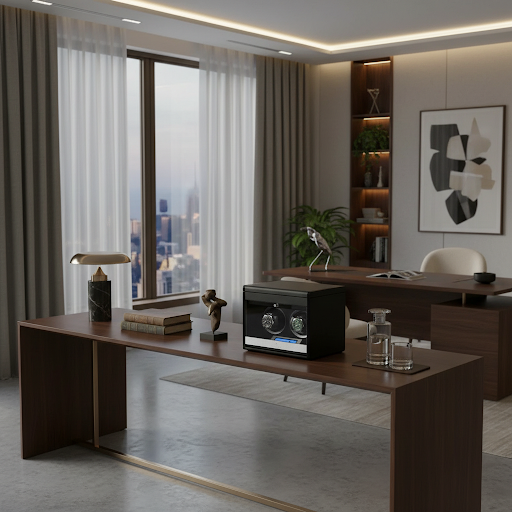
The Aesthetic Connoisseur: For those who view their watches as art, a multi-watch winder serves as a stunning gallery-style display that showcases the movement of the timepieces.
How to Choose the Right Option for Your Needs
Selecting the right model depends on both your current collection and your future goals. Here is a quick buying guide:
Capacity: Do you need a single winder for your daily driver, or a multi-watch winder for an expanding collection? It is often wise to buy a unit with one more slot than you currently need to allow for future acquisitions.
Power Source: If you plan to keep your watches in a safe, look for battery-powered models. If they will be displayed on a dresser, an AC-adapter-powered unit is more convenient.
Cuff Size: Ensure the watch "pillows" or "cuffs" are adjustable. If you have particularly small or large wrists, you need a cuff that can contract or expand to prevent the bracelet from being stretched.
Security Features: Some premium models come with lockable doors or fingerprint access, providing an extra layer of security for high-value items.
Why a Quality Winder is a Smart Long-Term Investment
Many new collectors ask if a winder is truly necessary. While it’s true that a watch won't "break" immediately if it stops, the long-term benefits of a winder are undeniable.
Mechanical watches use specialized oils to reduce friction. When a watch sits idle for months, these oils can migrate or dry out in certain spots. When you finally pick it up and wind it manually, those dry components experience higher friction, which leads to premature wear. By keeping the movement active, you ensure the oils stay evenly distributed, potentially extending the interval between expensive professional services.
Furthermore, the automatic watch winder process offered by a dedicated device is much gentler than hand-winding. Frequently unscrewing the crown of a diver's watch to manually wind it can lead to wear on the delicate crown threads and gaskets—a problem a winder completely avoids.
Common Mistakes Buyers Should Avoid
To protect your investment, avoid these common pitfalls:
Buying "Cheap" No-Name Units: Very inexpensive winders often use unshielded motors. These can actually magnetize your watch movement, causing it to run fast and requiring a trip to a watchmaker for demagnetization.
Over-Winding: Do not simply turn a winder on the highest setting and leave it. Research your watch's TPD requirements to ensure it receives exactly the amount of energy it needs.
Ignoring the Aesthetics: Since a winder is a permanent fixture in your home, ensure the materials (be it carbon fibre, walnut, or leather) complement your interior design.
Not Checking Cuff Fit: A watch that "rattles" in the holder can suffer from scratches on the case back or bracelet. Always ensure a snug, padded fit.
Conclusion
Investing in a high-quality watch winder is a mark of a serious collector who values the precision and longevity of their timepieces. By maintaining consistent movement, protecting the internal lubricants, and providing a secure, dust-free environment, a winder ensures that your favourite watches are always ready for your next adventure.
Whether you are looking for a single-watch unit or a large-scale display for a growing collection, choosing a model with silent motors and programmable settings is the best way to safeguard your horological investments for years to come. Explore a range of luxury watch winders uk to find the perfect match for your collection’s unique requirements.
Frequently Asked Questions (FAQs)
1. Can a watch winder damage my watch by over-winding it? No, modern automatic watches have a "slipping spring" mechanism that prevents the mainspring from being over-wound. However, using the correct TPD setting on your winder reduces unnecessary wear on this mechanism.
2. How many Turns Per Day (TPD) does my watch need? Most automatic watches require between 650 and 900 TPD. You can usually find the exact specification on the manufacturer’s website or in the user manual.
3. Does the direction of rotation matter? Yes. Some movements, like the Valjoux 7750, only wind in one direction (clockwise). Most modern Rolex movements wind in both directions. Using a winder with programmable directions ensures compatibility.
4. Are watch winders noisy? High-quality winders are designed to be virtually silent. If a winder is making a grinding or clicking sound, it may have a failing motor or be of lower build quality.
5. Can I leave my watch on the winder indefinitely? Yes. Professional winders use "sleep cycles" where they rotate for a period and then rest, mimicking the natural cycle of wearing a watch during the day and resting at night.
6. Will a winder keep my vintage manual-wind watch running? No. Watch winders only work for automatic (self-winding) watches. Manual-wind watches must be wound by hand via the crown.
7. Is a battery-powered winder better than a plug-in one? It depends on placement. Battery-powered units are essential for use inside safes or wardrobes, while AC-powered units are better for long-term display on desks or nightstands.
8. Do I need a winder if I wear my watch every day? If you only own one watch and wear it daily, you likely don't need a winder. However, if you have a "weekend" watch or a dress watch for special occasions, a winder is highly recommended.
9. How do I know if my watch is winding correctly on the device? If you set the watch, place it on the winder, and it is still showing the correct time 48 hours later, it is receiving enough turns to maintain its power reserve.
10. What is the difference between a watch winder and a watch box? A watch box is for storage only. A watch winder is a storage solution that also provides mechanical movement to keep the watch running.
HOW DO YOU FEEL ABOUT FASHION?
COMMENT OR TAKE OUR PAGE READER SURVEY
Featured



Dubai is a city synonymous with luxury, sophistication, and modern living.